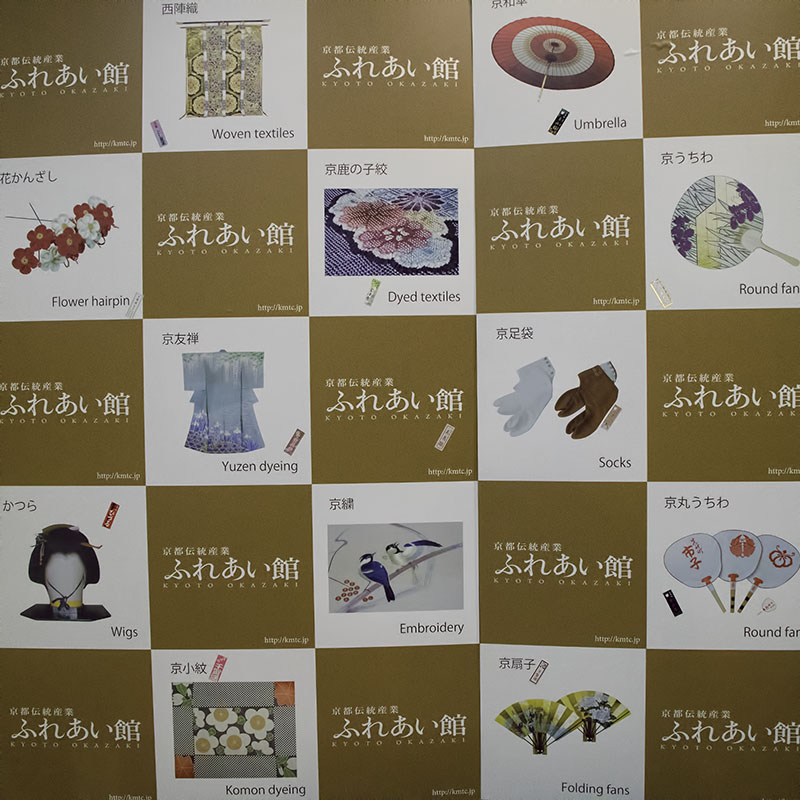
 Today’s excursion started with a visit to a museum of traditional Japanese handicrafts. As usual no photos were allowed. Except in one little corner where they had set up a place to do selfies. It was a very nicely done museum with lots of videos of crafters at work. We could have spent a lot more time there and a lot more money in the lovely museum shop.
Next, we headed up the street to the Heian Shrine which, despite its name, 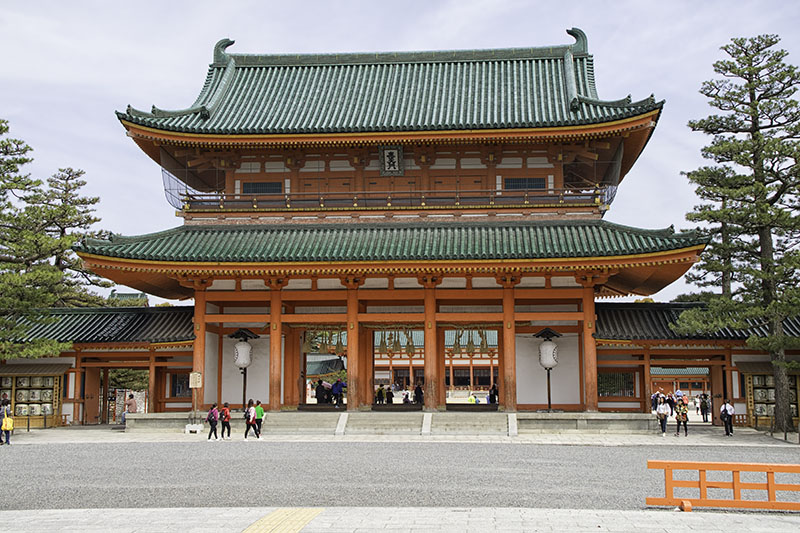 does not date back to the Heian period but honors the history of Kyoto and was built in 1895 to bolster the city’s morale and economy after the capital and emperor’s residence was permanently moved to Tokyo. In case I haven’t already mentioned it, a shrine is a Shinto place of worship, while a temple is a Buddhist place of worship. At one time the two were rather intertwined but during the Meiji period of modernization it was decided that Japan need a state religion and Shinto was split off to fill that role. It has been argued that Shinto isn’t really a religion at all but more a system of beliefs to guide one through life.
From the Shrine we taxied to lunch where we took over an entire small restaurant and were served rice curry. This is a popular dish in Japan but was adopted from the British Navy many years ago. After lunch we walked up the s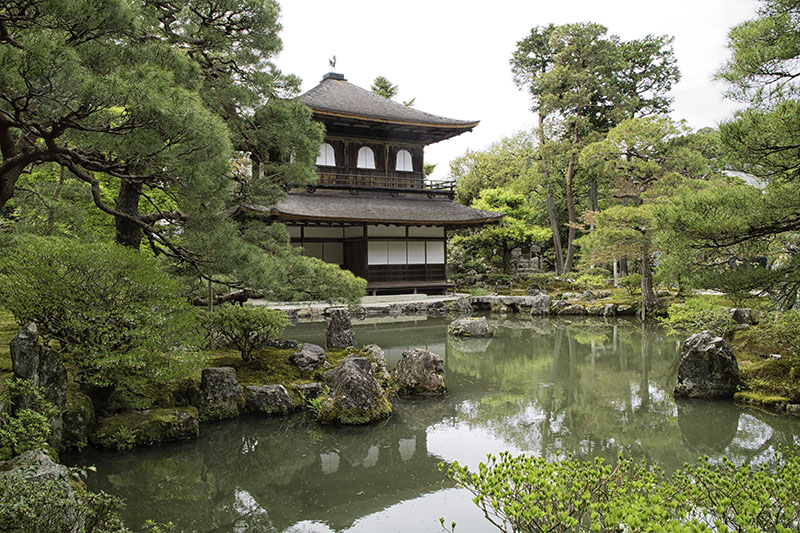 treet to Ginkakuji, also known as the Silver Pavilion. It was intended to be covered in silver but due to economics and/or political changes, it never was. It started as a summer home for the Shogun but was converted to a temple after his death.
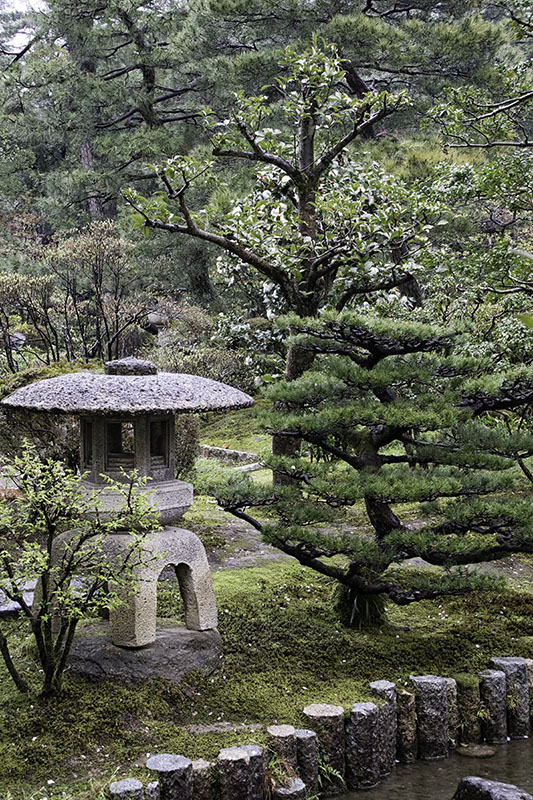
We were turned loose after the temple to find our way back. I opted to walk 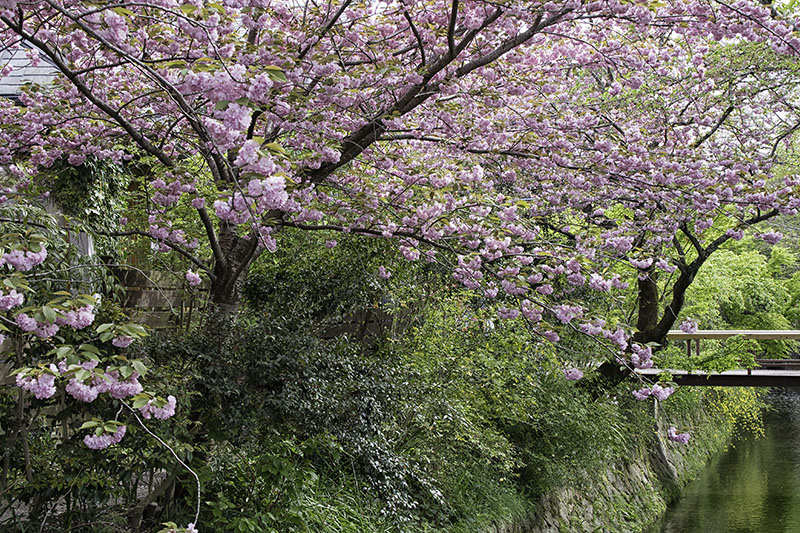 the Philosopher’s walk which connects several temples. Of course, there was not time to visit them all so I just walked the path and visited the first temple at the end called Eikando Zenrin-Ji. It had a beautiful garden and was not overrun with tourists like some of the other places we have visited. So, I was able to take my time walking around and photographing.
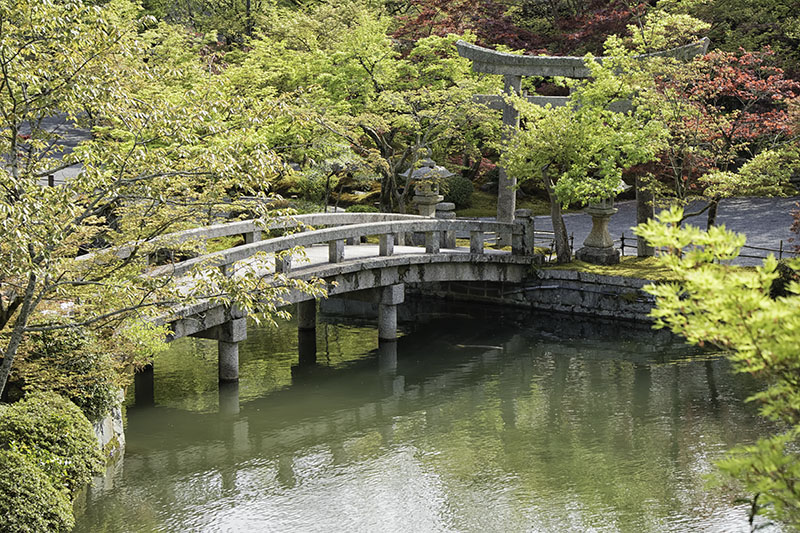 When I was done I just had to show my hotel card to a taxi driver and he took me home without incident. For dinner we had some local Japanese guests to talk to about their lives. At our table we had a young college student who had lived in the United States for a few years when her father, who works for Mitsubishi had an assignment near Chicago. It was an Italian restaurant and we were served appetizers, salad, pizza, spaghetti (with a definite Japanese flair) and a breaded chicken filet.
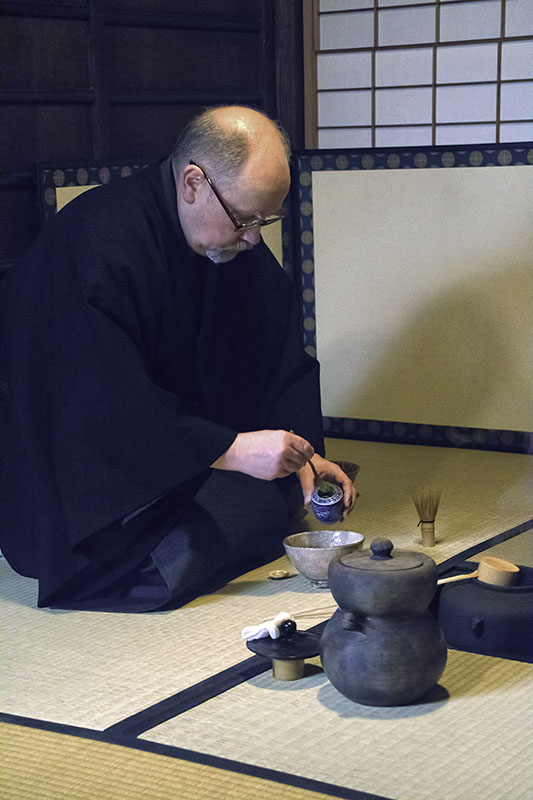 Our first stop today was at the home of a tea master who demonstrated the preparation of tea and explained the tea ceremony which would normally take four hours. Ironically, Michael is not Japanese but Swiss. He became interested in the tea ceremony through martial arts and now lives in Japan and provides lessons in both.
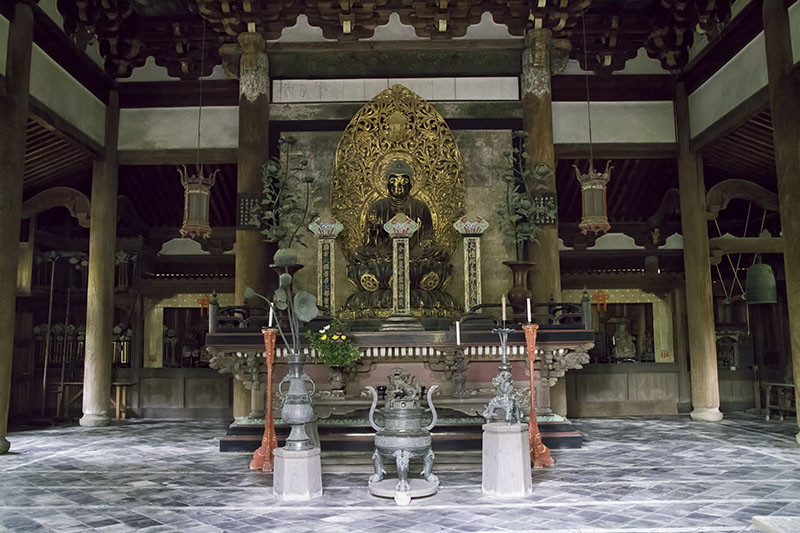 where we learned something about the man who invented the tea ceremony, or at least formalized the ritual, Sen No Rikyu. He is also credited with developing the concept of wabi-sabi, beauty through simplicity, a concept I can definitely get behind. We had an opportunity to view some gardens that Sen had designed. Unfortunately, we were not allowed to take pictures and the post cards they had available did not capture what I would like to have taken pictures of. One interesting thing we were told is that the white rock gardens associated with Zen Buddism came
 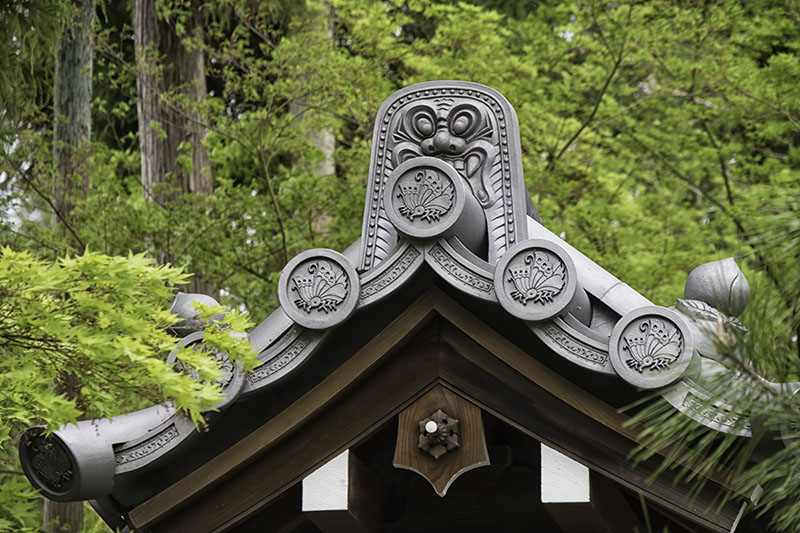 about because there was a big fire in Kyoto back in the 15th century and after all the temples had been rebuilt there was no money left to replace the classic gardens so groomed white rocks were substituted for water.
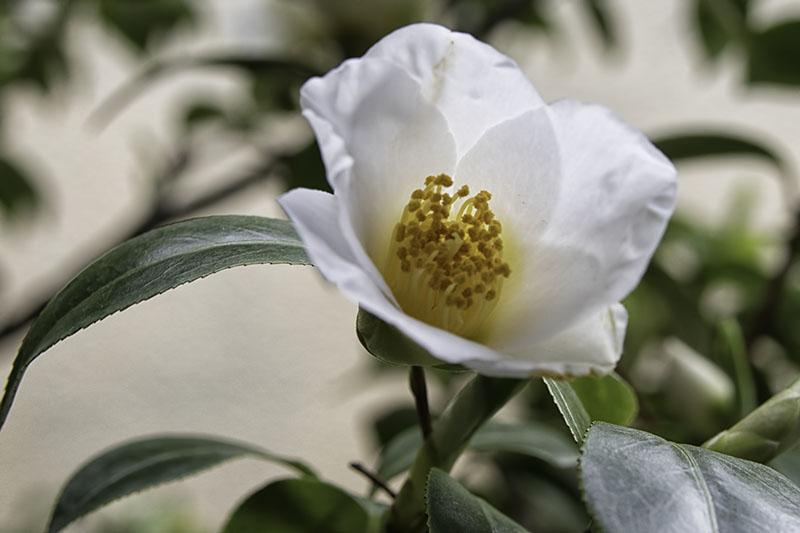 c sort of pottery used for tea bowls which has been produced by the same family for 15 generations. Personally, I could not see what all the fuss was about. But they also had a display of Noh masks which was of more interest to me. But once again, no photographs. I’m beginning to understand that the advantage of cell phones over real cameras is it is easier to cheat in a situation like this. They did, at least, have some nice flowers in their front garden. From there, we caught a cab back to the hotel and are once again on our own for dinner. I am thinking of returning to the Nishiki market to taste some street food and look for souvenirs.
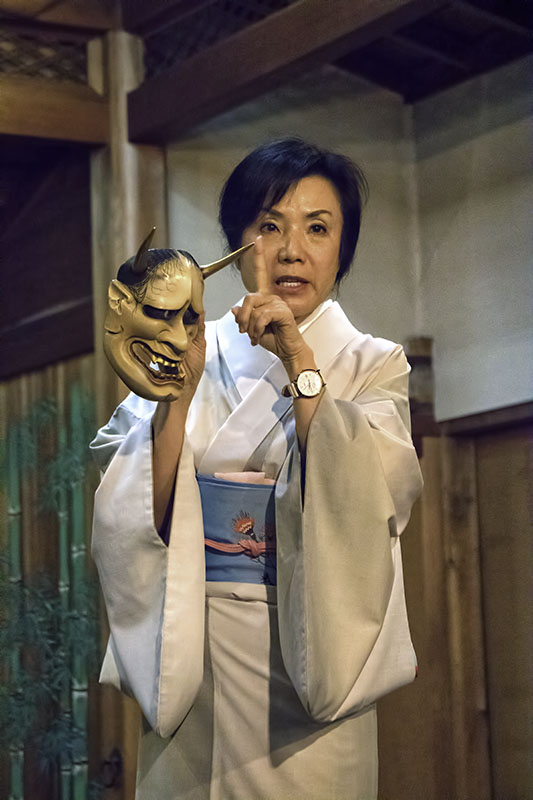 alad and seaweed side. I look forward to my way of cooking scrambled eggs. Anyway, we piled into taxis again for a ride up the street to a Noh theater which is one of the longest operating in Japan. The woman who owns the place gave a talk on Noh, showed us some masks and robes, and trained part of the group in how to do Noh movements. Her son, who is a Noh actor demonstrated the drum they use to express emotions and he gave a short demonstration play. I’m still not sure I would want to sit through two hours of it but at least I would have a better understanding of what was going on.
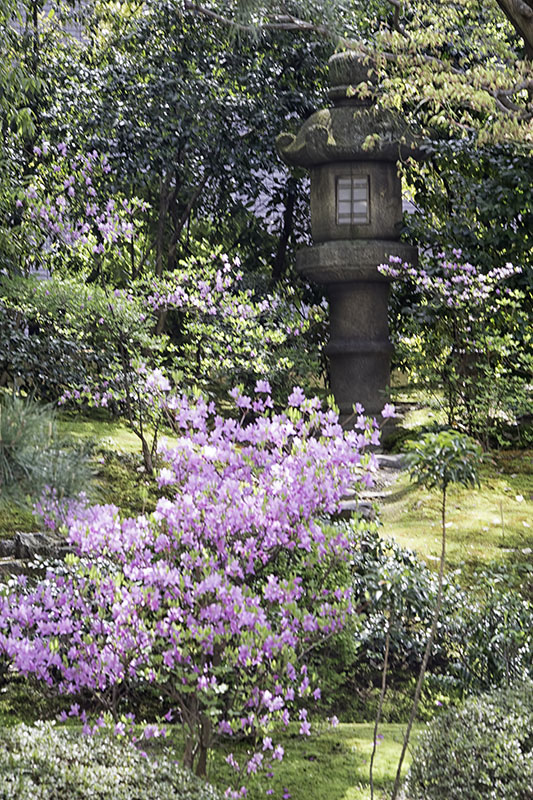 In order to use the restroom, we then went to the sweets museum next door. They had whole flower arrangements made of sugar. Very interesting but there were no English translations on the exhibits. We then walked a few blocks to the Kyoto Heian Hotel for lunch. The hotel has a beautiful Japanese garden which we had time to explore. Lunch consisted of a salad, pork chop with noodles, and bread.
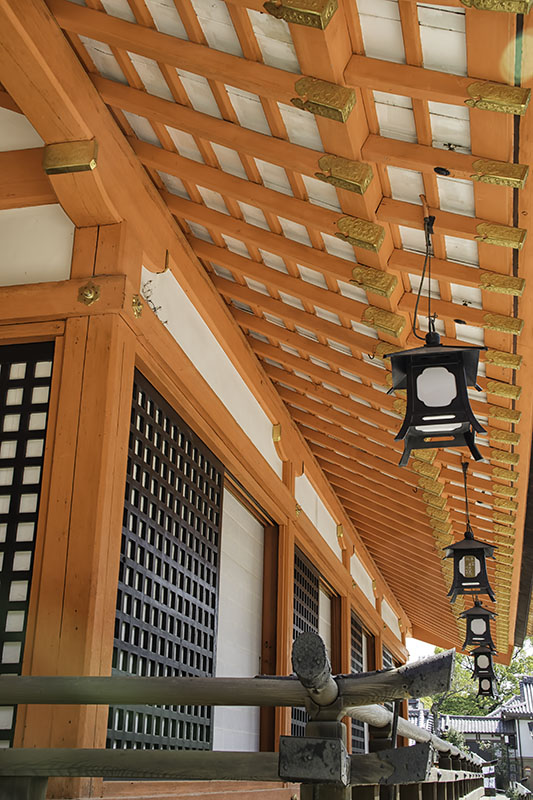 otel we boarded taxis once more (did I explain that the streets of Kyoto are to0 narrow and crowded for buses to be useful?) and headed to the Yasaka Shrine, a rather large and well visited Shinto site whose deities specialize in curing illness. We then had a short walk through the Gion district made famous by Memoirs of a Geisha. It was less
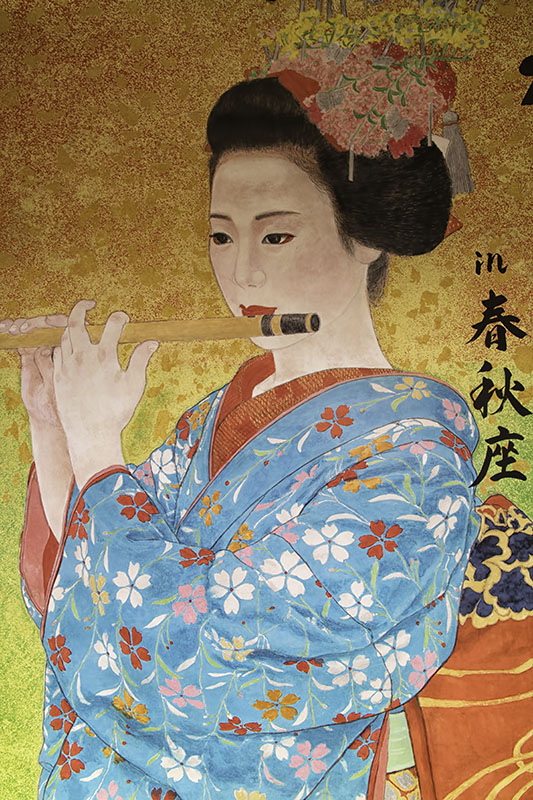 scenic than I had hoped but there were a lot of these posters that I found enchanting.
 han locals.
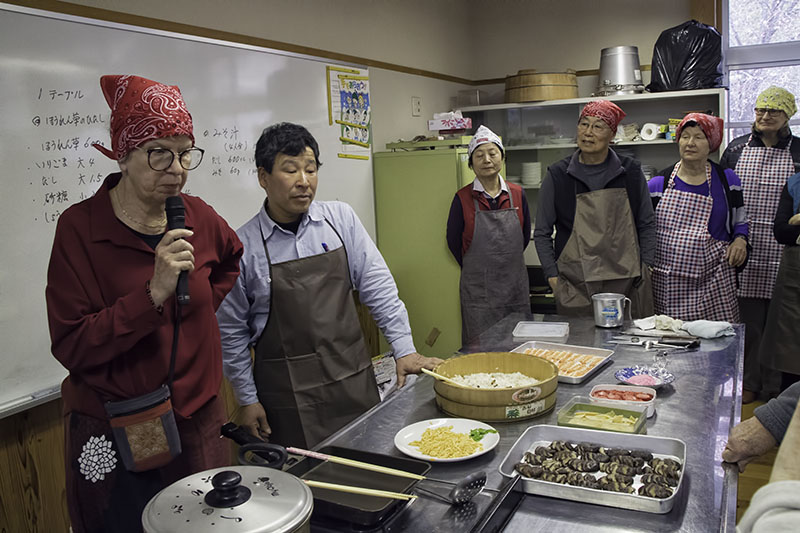 We boarded the bus for the last time this morning and headed into the mountains to a small village called Miyama. Here we were taken to an elementary school which had been closed and was being repurposed as a sort of community center. After seeing some of the classrooms we were taken to the cafeteria where we were handed aprons and bandanas in preparation for a cooking lesson in which we would make our own lunch. The first course was fairly simple, parboiled spinach mixed with ground sesame seeds. Next we did a stir-fry composed of julienned carrots and green peppers and shaved burdock root (don’t ask, it’s supposed to be really good for you and didn’t taste bad). Then we prepared something called Chirashi or
 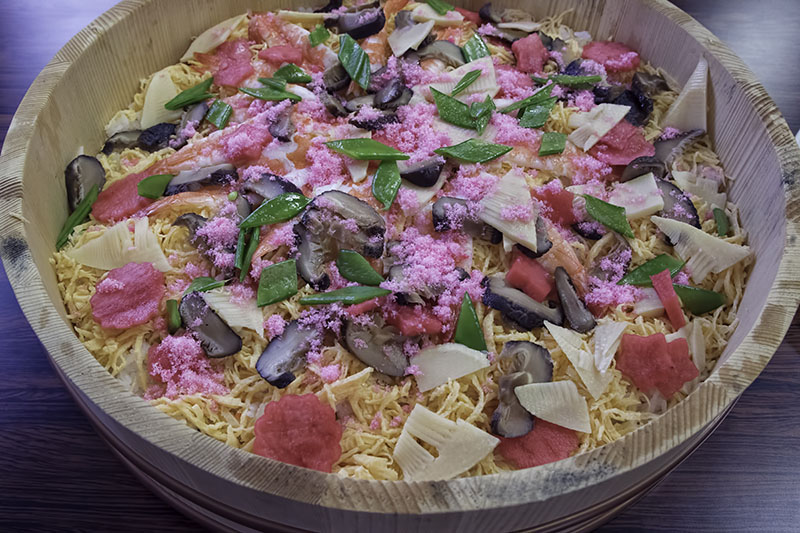 “scattered” sushi which is shown in the picture. It consisted of a vinegar rice base with thinly sliced scrambled eggs, radishes, shrimp, mushrooms, dried bonito flakes (that’s the pink stuff), and snow peas. I think this was also the one where they stirred the baby fish into the rice before-hand. Anyway, it tasted really good. They also demonstrated making miso soup.
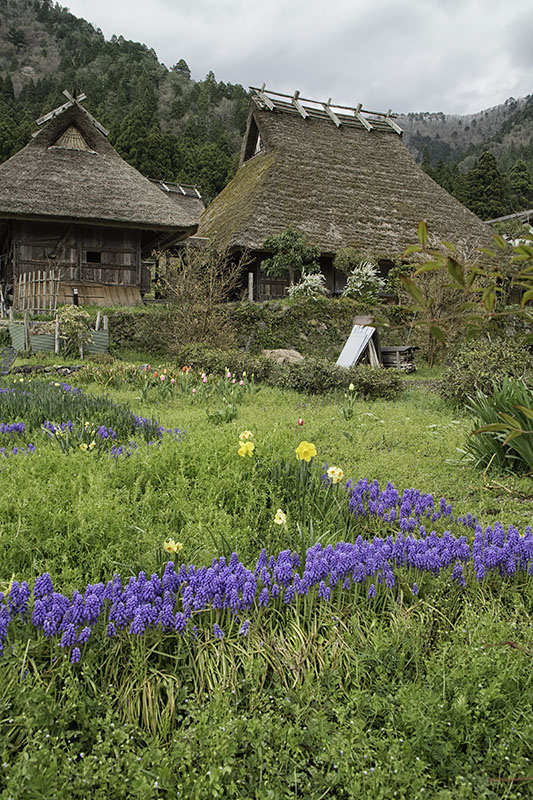 After lunch we went just down the road to tour the village which is one of only a few remaining towns featuring thatched roofs. Our guide was a craftsman who specializes in repairing thatched roofs. Except in special circumstances new houses are not allowed to have thatched roofs but maintaining old ones is encourages by government subsidies. While at the village we had an opportunity for a short visit to an Indigo museum with a demonstration from the artist who owns and operates it.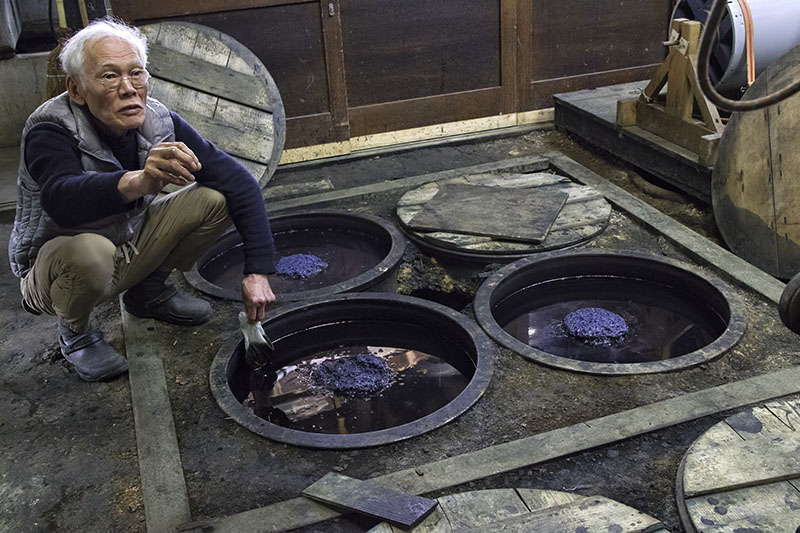
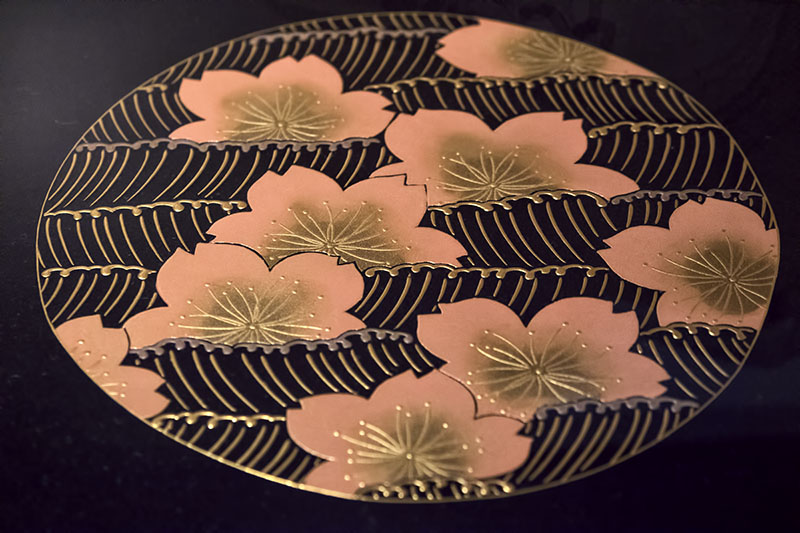 boarding the bus we experienced, all in the space of five minutes, snow, rain, sleet, hail, thunder and lightning. Our guides had to scramble around and find an indoor activity to substitute for our walk through the samurai quarter. Instead we went to the Museum of Folk Art which was interesting enough. I especially liked the highly decorative lacquerware.
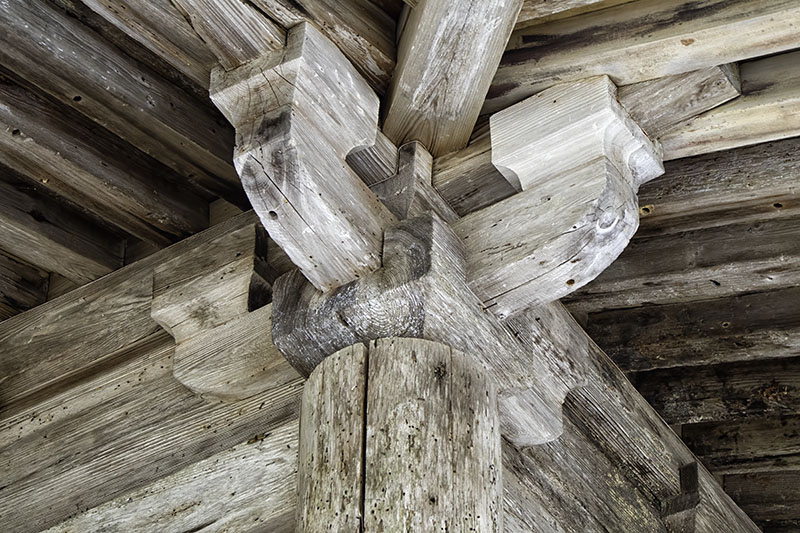 century. We were not allowed to take pictures inside, but the thousand-armed Buddha statue was impressive. What was also fascinating was that the building was built without nails. This closeup shows the detail of how the wood pieces are just fitted together like Lincoln logs.
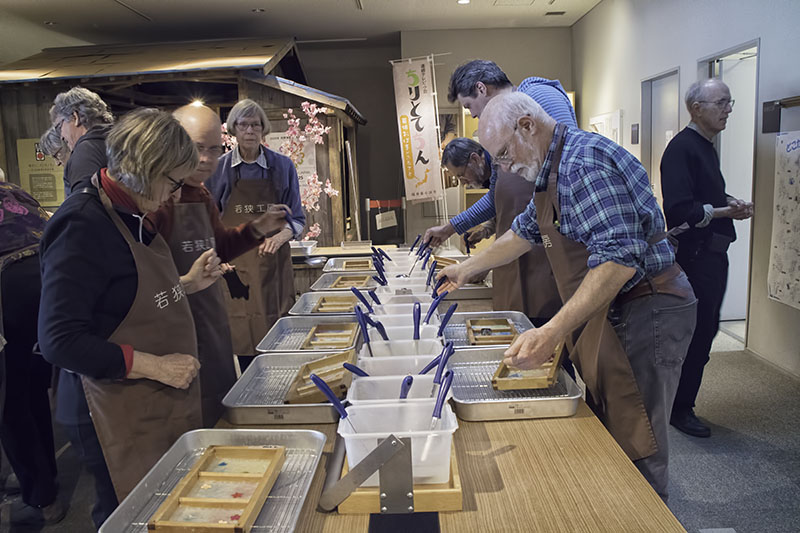 Once in town we dropped our luggage at the hotel, said goodbye to the bus and walked to our next appointment at a food museum. Here we had a craft lesson in making paper and later looked at all the plastic models of Japanese food.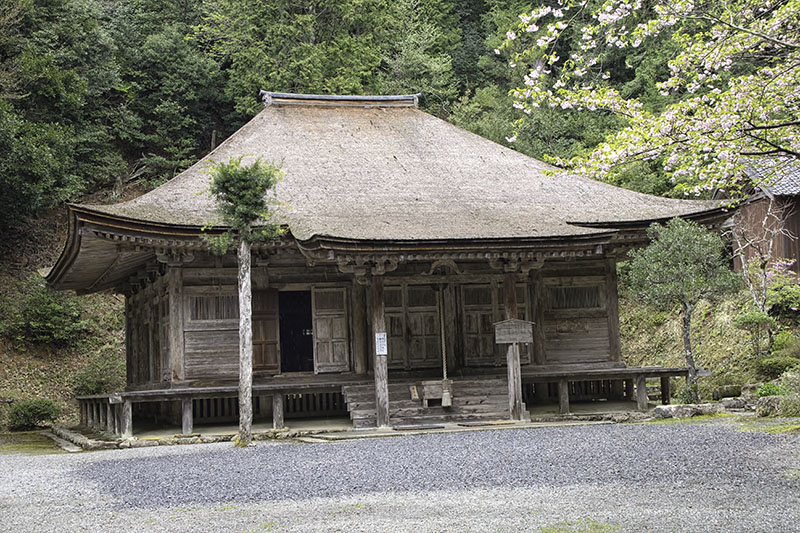
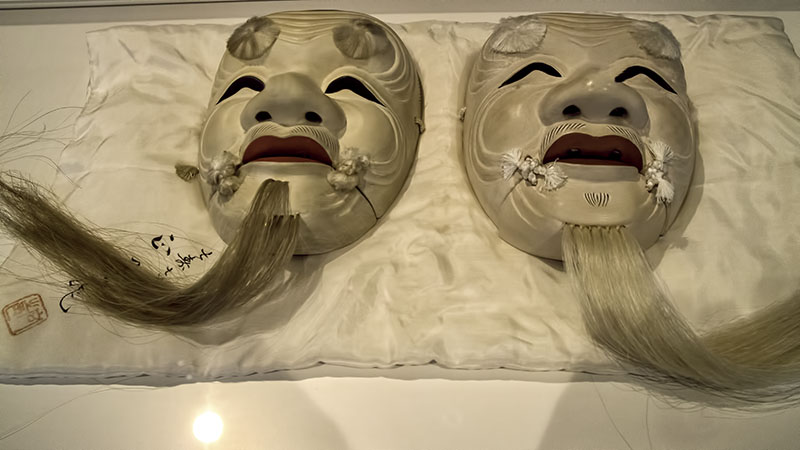 earnest. But we piled into 8 taxis for the transit to our destination. First stop was a brief look at the 21st century art museum, a round structure with pant legs and sneakers gracing its support columns. There was also an interesting elevator on a hydraulic lift. However, we were really just killing time until the Noh museum opened. Here we got a look at some masks and robes. All very elaborate, as well as a model of a typical Noh theater. We will be h
 aving a full-blown lecture and demonstration of Noh later on, so I won’t go into details just now.
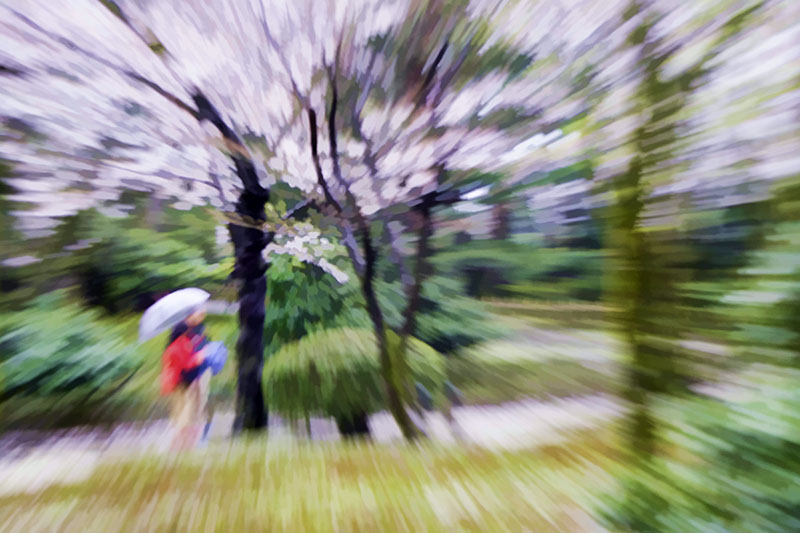 the park at a pace more leisurely than befitted the weather. Once while waiting for people to use the restroom I decided to get creative with the cherry blossoms and umbrellas. When we came to a decision point about whether to grab a taxi back to the hotel or stroll on to the fish market I decided what I wanted most was not to be miserable anymore, so I had to take a pass on the market.
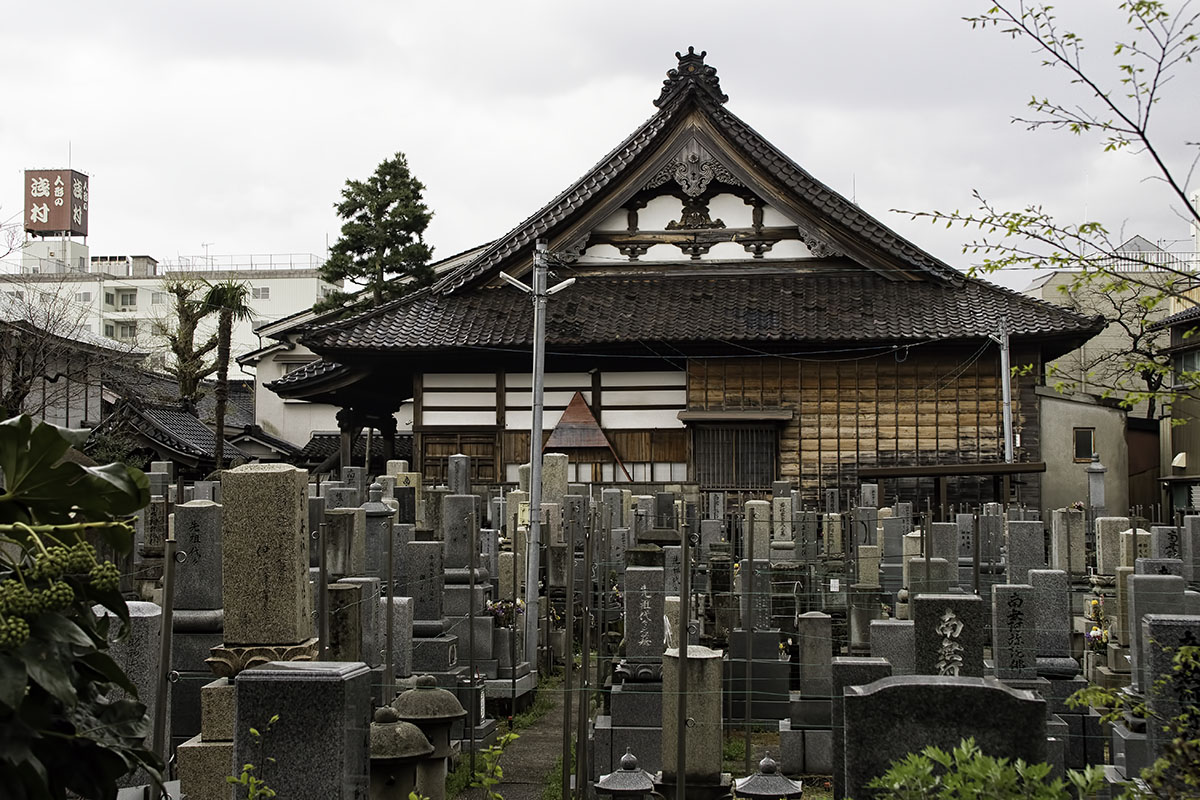 Buddhist Temple I had spotted on the map, not too far from the hotel. So, I walked the few blocks in the right direction it turned out and found not only the temple but this scenic graveyard. I hesitated to go in because I didn’t really know the protocol and by this time the clouds were gathering again and I was regretting the three glasses of tea I had at lunch. So, I started hurrying back to the hotel. Just as the thunder roared, a downpour started, and I thought I was going to pee my pants there in front of me appeared a lone porta-john. I ducked in and took care of business and by the time I came out the downpour had tapered off. We’ve been talking about unemployed angels at church lately, I guess one must have been watching out for me.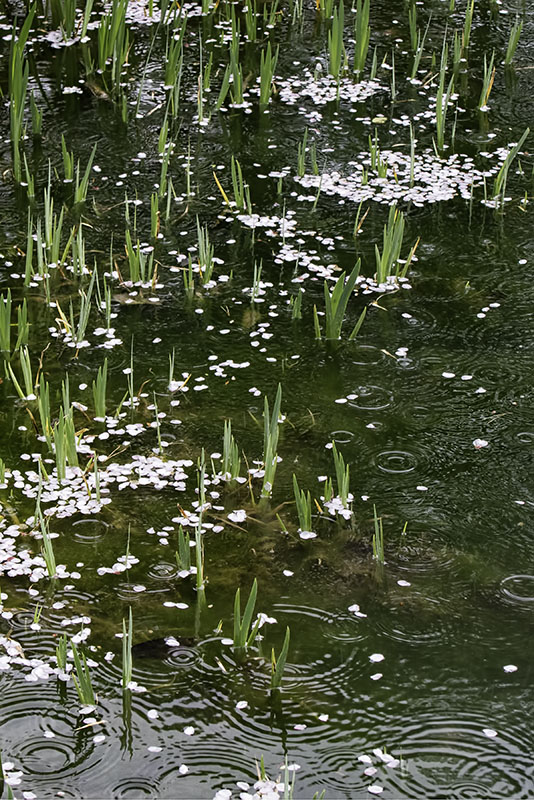
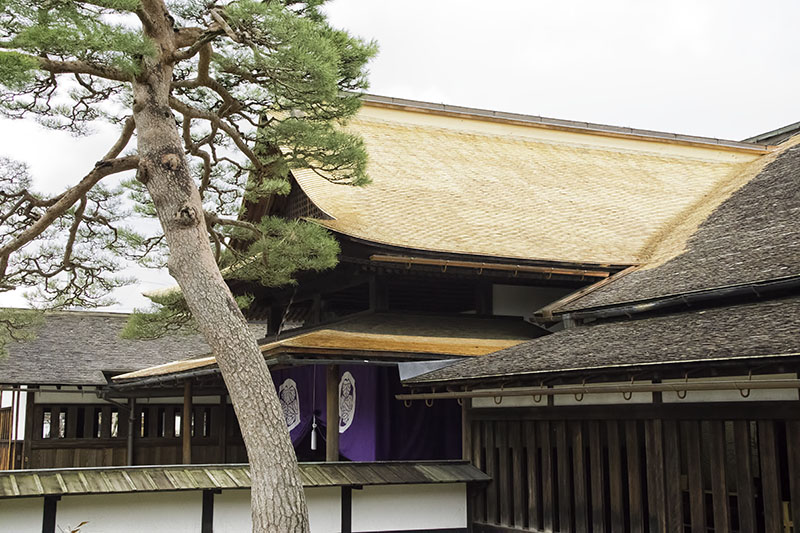 ng to the early Edo period when the Tokugawa Shogunate took direct control of the area for its timber resources. The building continued as something equivalent to a county courthouse until 1969. In the early days it also served as a residence for the head man and his wife and servants.
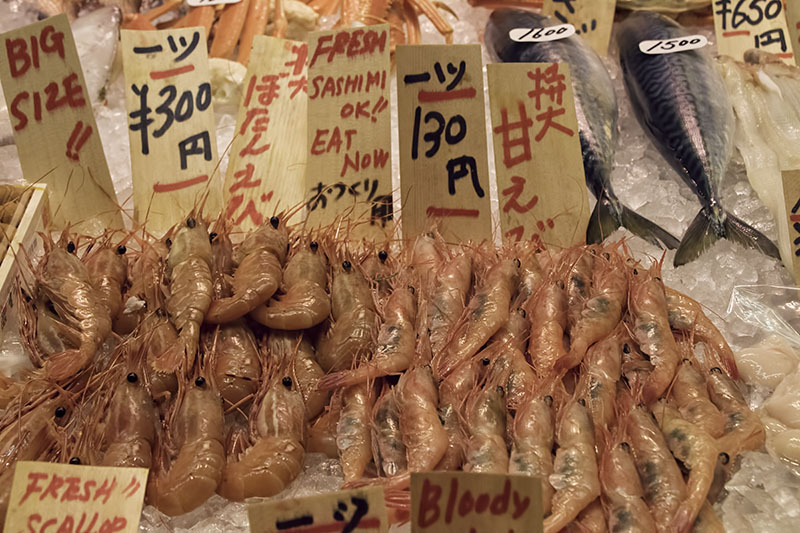
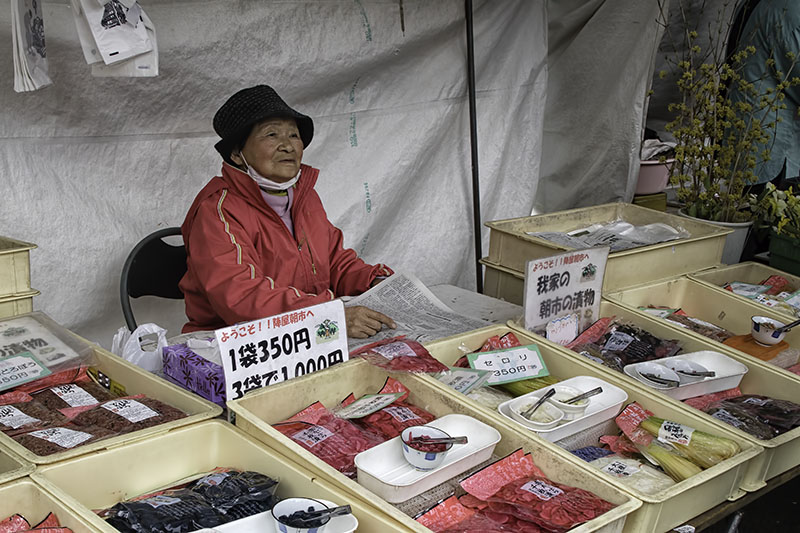 xplore. In addition to fruits and vegetable there were a few crafts and lots of pickles to buy.
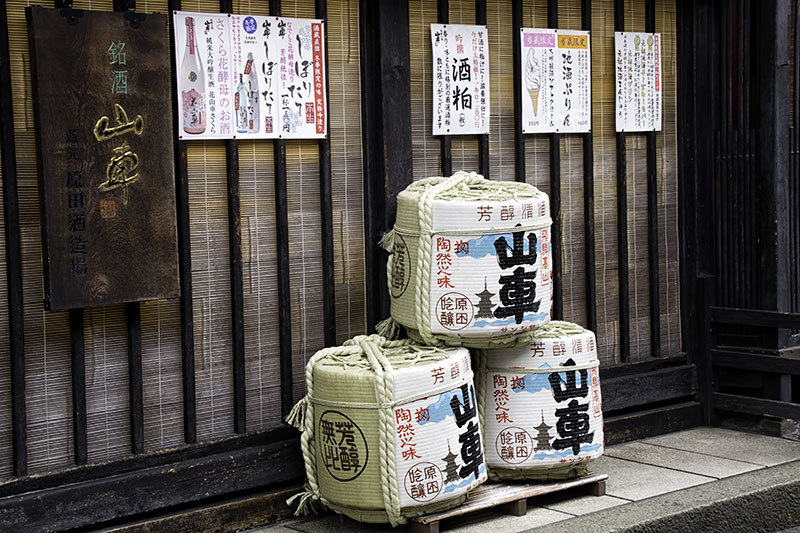 gathered back up under an awning outside a museum before heading to the bus to settle in for our two-hour trip to Kanazawa. The drive consisted of a few breathtaking glimpses of mountain scenery in between tunnels. One of the tunnels was among the longest in the country at 11km. I was starting to get a bit claustrophobic, not to mention asphyxiated by the time we emerged from that one.
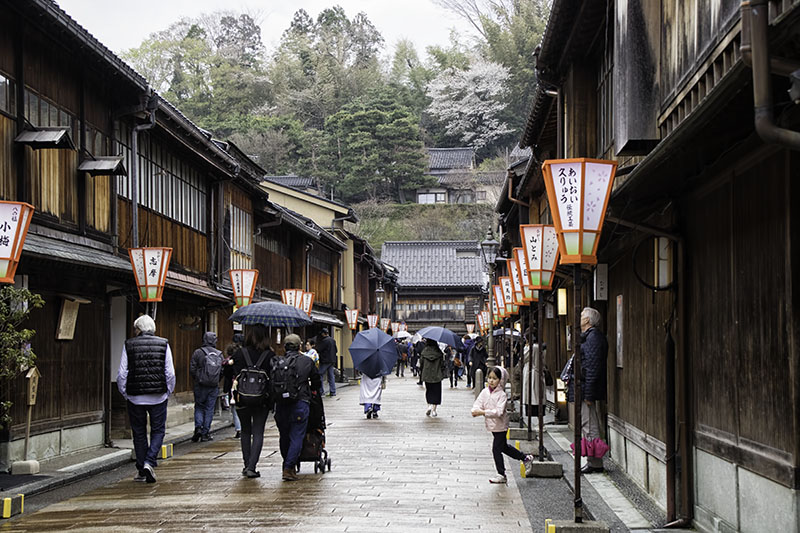 area has become a tourist destination of shops and cafes though we did hear some shamisen music echoing the past. And again, dodging the umbrellas of our fellow travelers was the name of the game, not to mention the taxis and police cars. We did see a few women dressed in kimonos but our guide assured us they were just playing tourist and probably not even Japanese, let alone geisha.
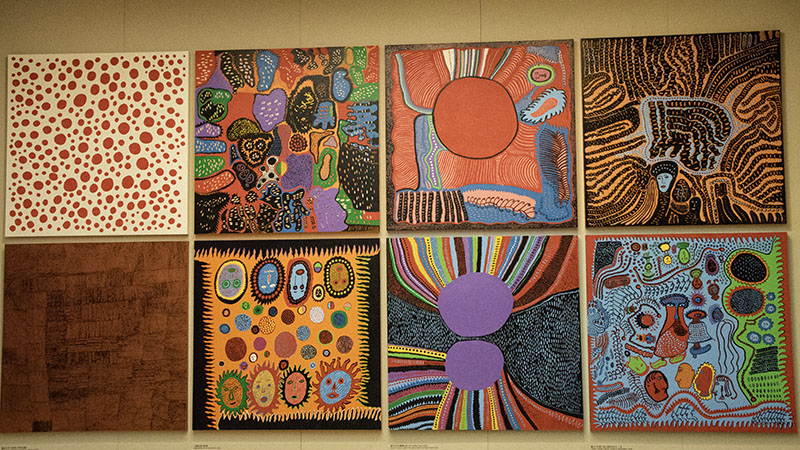 moto in the 1970s. Here she checked herself into a mental hospital where she still lives but continues to work in a studio near by at the age of 89. Her work is a bit too avant-garde for my taste but it was interesting to see the exhibit. In addition to the paintings she does a lot of interesting things with mirrors creating an infinity effe
 ct.
ct.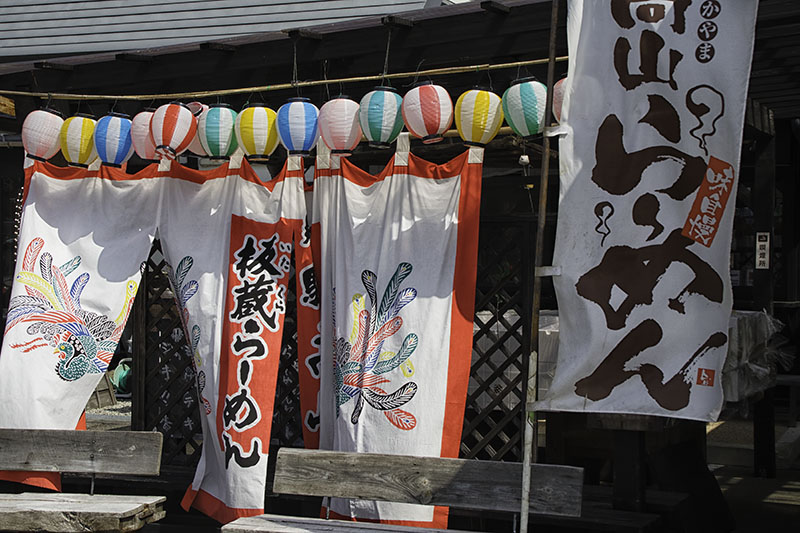 were served a large bowl of ramen noodles with some chicken, bamboo shoots, black mushrooms and green onions. There were a lot of fun signs and decorations around the place, so I got to take a few photos before getting back on the bus.
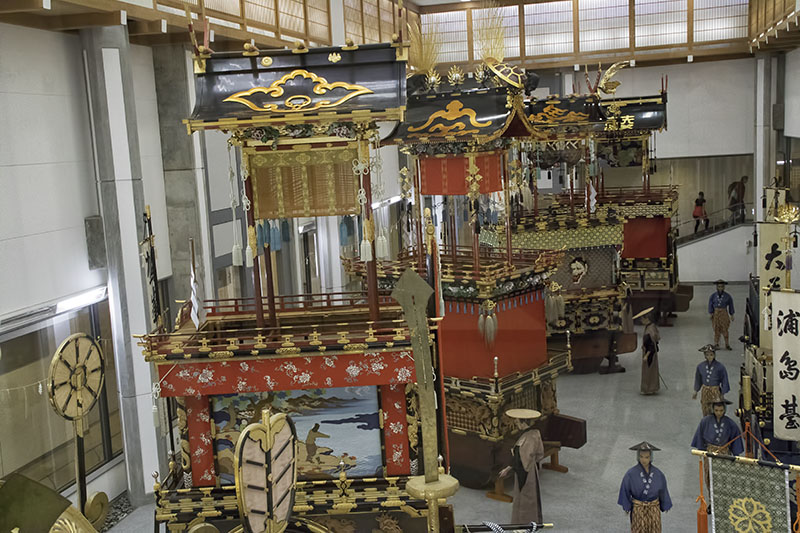 f the shrines some of the floats deliver spirits to. And, since it was a lovely day we took a walk through one of the old neighborhoods. A preview of coming attractions tomorrow when there is a threat of rain.
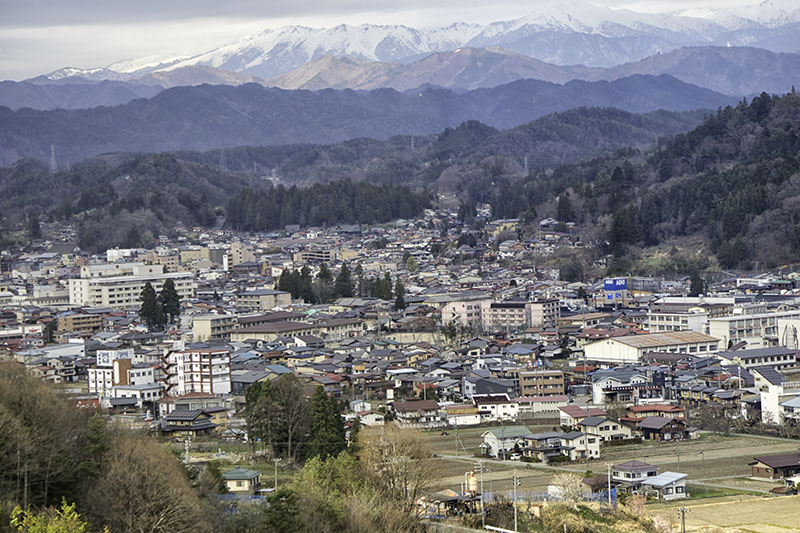 of town that boasts a phenomenal view. Dinner was another multicourse affair at the hotel. We started with a salad as usual. Then we had small pieces of Waygu beef that we cooked on a little grill in front of us. Next was a beef hotpot also cooked at the table. Then we had tempura, one shrimp and some vegetables. The last course was a sushi plate with a variety of fish over rice. And for desert a few small pieces of fruit. Once again, I was kicking myself for not having brought my camera to dinner.
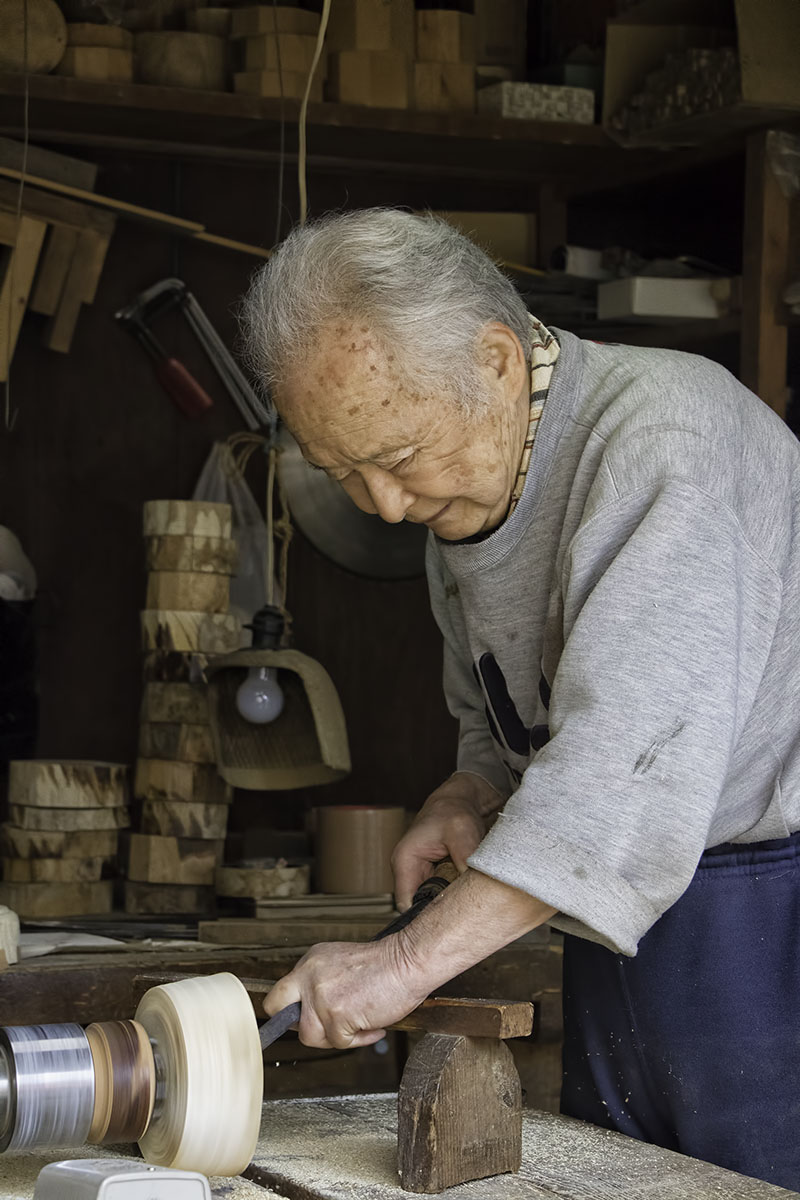 ur first stop was at the home of a lacquerware craftsman. The group divided into two with one seeing the house and gardens from the wife and the other getting a chance to see the craftsman at work.
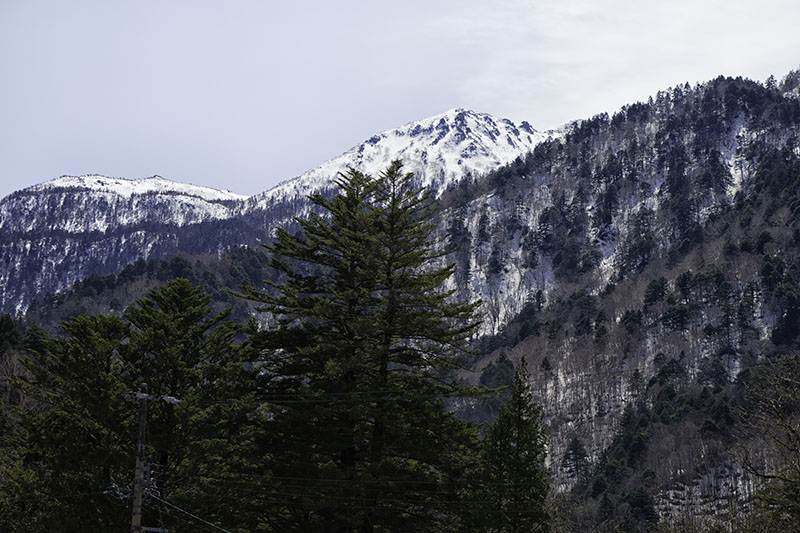
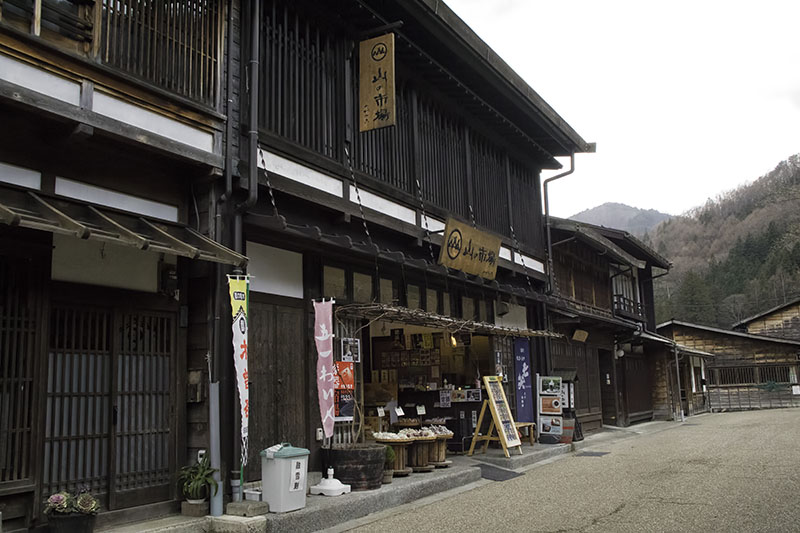 route for hikers and backpackers to explore today. We visited the local shrine then walked through the town which I found to be a photographer’s paradise.
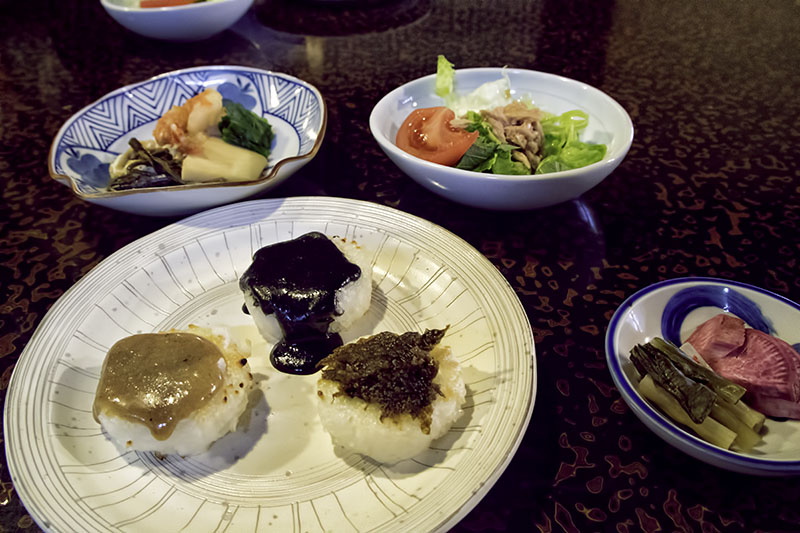 look. These dishes were followed up by deep fried tofu with a spicy miso sauce and a bowl of Soba (buckwheat) noodles in broth, a specialty of the region. For desert we were presented with a small bowl with three fresh strawberries. We then had about an hour to explore the town and shops. I would have liked to buy some lacquerware but I couldn’t think what I would do with it and the black and red colors would not go well in my earth-tone house. I did find a wooden rice paddle that I thought might work well in one of my food photography sessions.
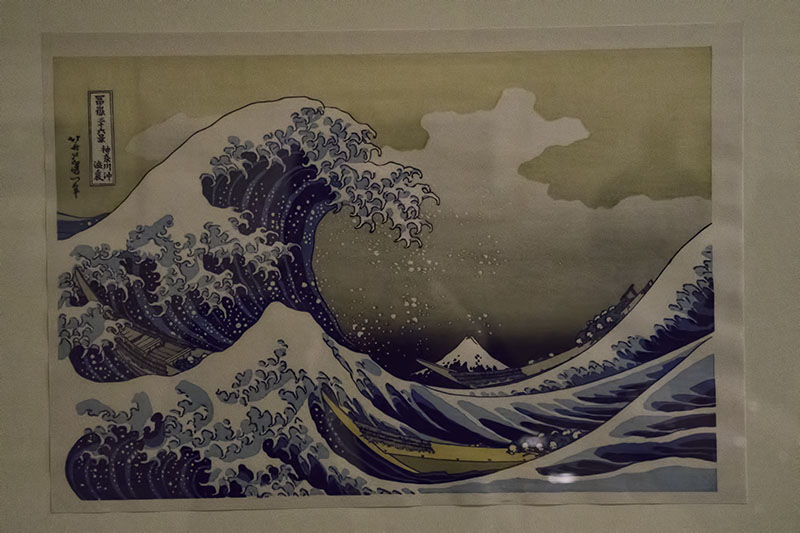 Back on the bus we rode for an hour back to the outskirts of Matsumoto where we stopped at a wood block museum. I was pretty tired by then and could not do it justice but I bought a set of postcards that I can study at leisure when I get home.
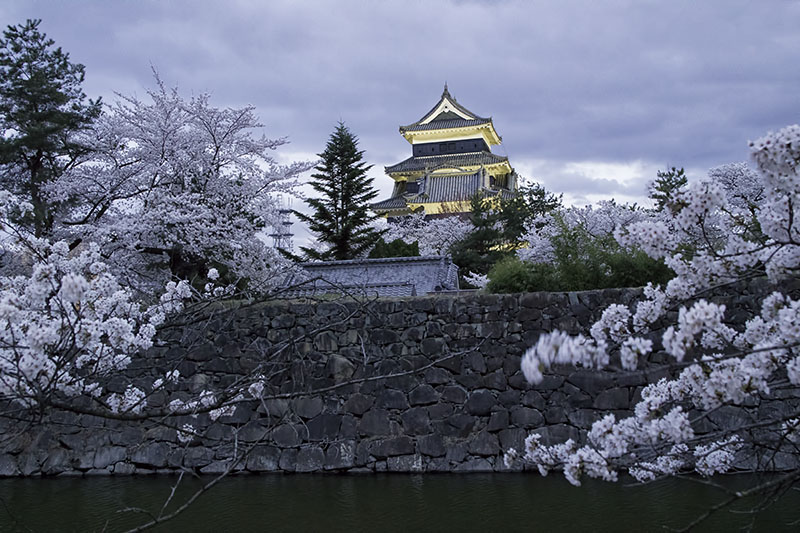 castle and cherry blossoms all lit up at night. It was worth the trip. We were on our own for dinner and I did not feel adventurous enough to go to a restaurant on my own and the hotel was far too expensive (like $80 for a meal), so I explored the snacks in the vending machine instead. They even have vending machines with beer in the hotel so it wasn’t such a bad evening in, especially after that sumptuous lunch, though I have to say I’m not entirely sure what I was eating.
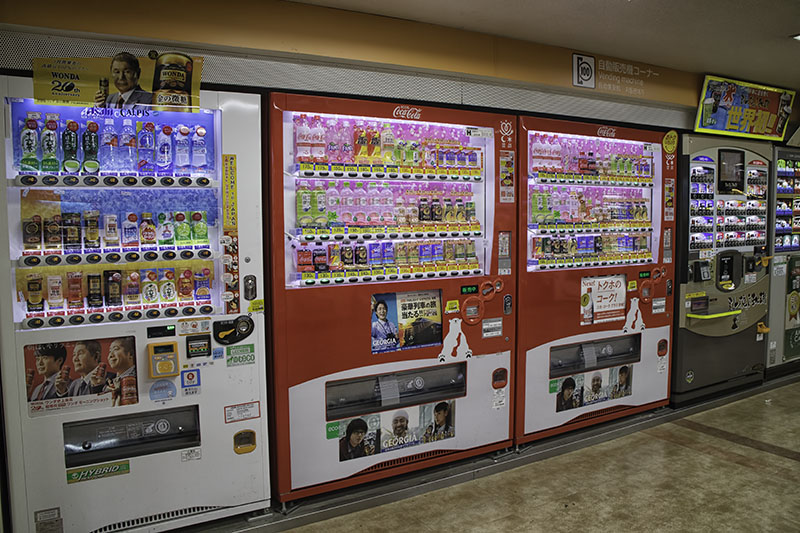 opped twice at highway rest stops. These were fascinating in themselves. Not only did they have banks of vending machines but also little shops selling snacks and souvenirs. One had bakery items worthy of some of the best patisseries I’ve seen.
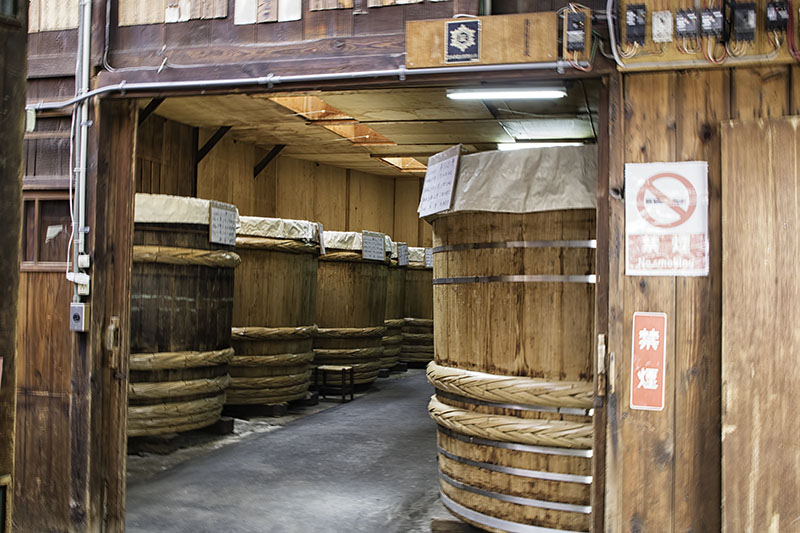 We arrived in Matsumoto around noon and reported to our first stop at a traditional Miso factory where we had a brief talk from the head of the company who is the sixth-generation owner. We were then served a delicious lunch featuring their products. It included a salad with miso dressing, a miso based stew, and miso ice cream, which was very good.
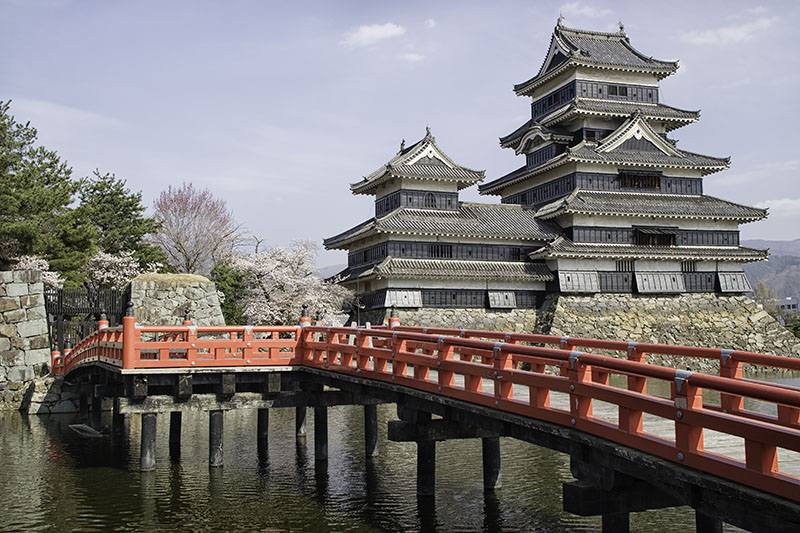 age at the hotel we proceeded to Matsumoto Castle which is listed as a Japanese National Treasure. And rightly so. It was constructed around 1590 but was completely restored in the 20th century. Here in the mountains the cherry blossoms are running a little later than in Tokyo and very close to peak. There will be cherry blossom celebrations tonight and we hope to see the castle again all lit up with traditional music and revelry.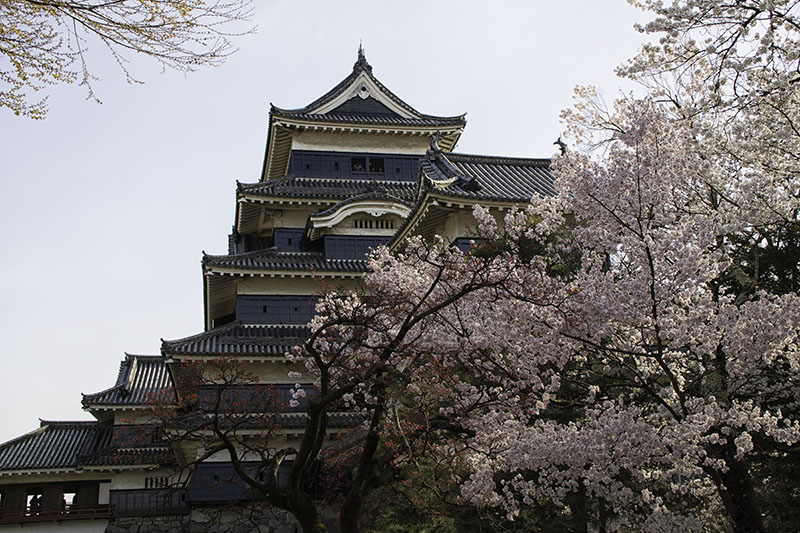
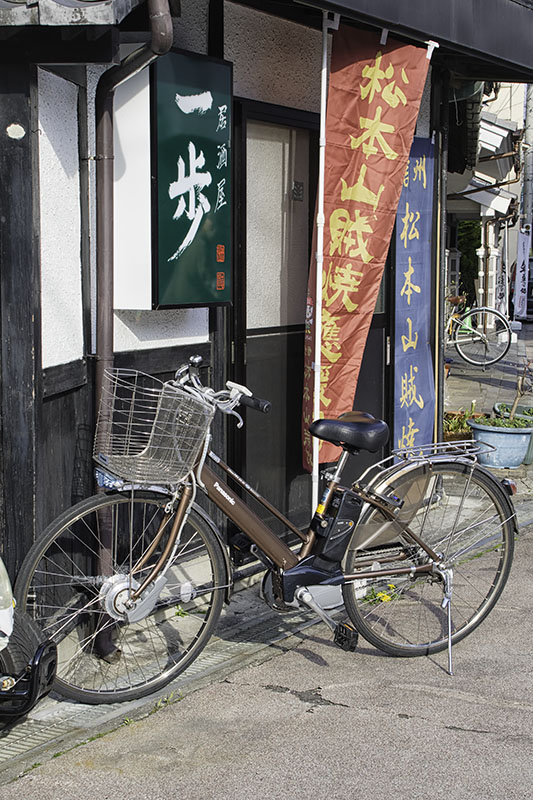 At the hotel we had the best meal of the trip so far. It consisted of an appetizer course including seaweed which was much better than it sounds, pickles, salad, and some tasty fish cakes; next course was a savory egg custard dish. Then we had sashimi which was a first for me and I hope not a last because I loved it. Then we had a tempura plate which was kind of like a birds nest of deep fried things all clumped together. Finally, we had a chicken and vegetable soup that cooked in front of us at our table, and of course rice. This was the first time also, that we were served desert which was a tasty cake with some kiwi and pineapple on the side. I may have to start bringing my camera to dinner because the presentations of the food are always exquisite.