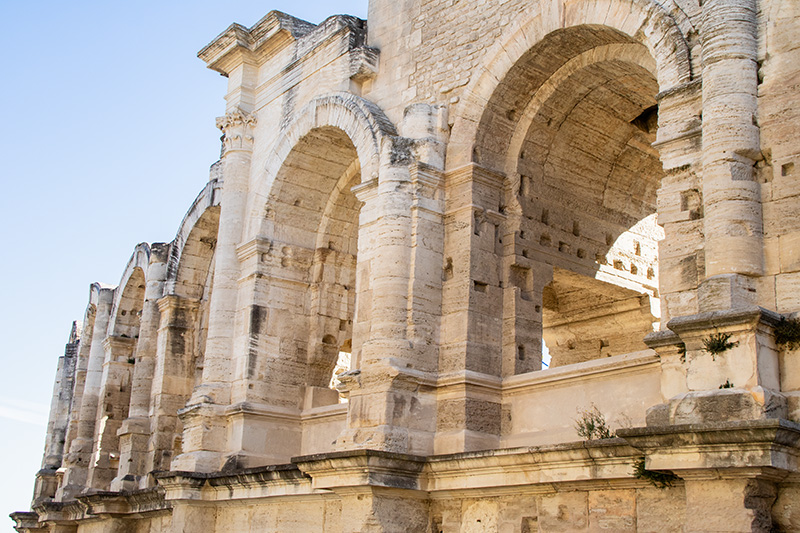
 Our last stop was in Arles in Provence, possibly the most charming of all the charming towns we visited in France. It features a fairly well preserved Roman Amphitheater which has done service as a housing complex during the middle ages and is currently being used for bull fights and bull races.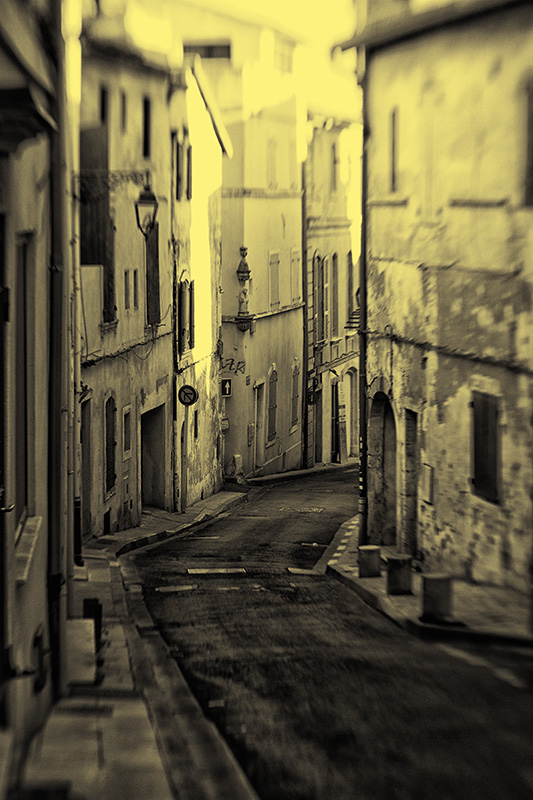
As we had a rare morning that didn’t start at 8am I was able to take a camera walk around the neighborhood. Our hotel was literally right next door to the amphitheater but the winding streets in the area prov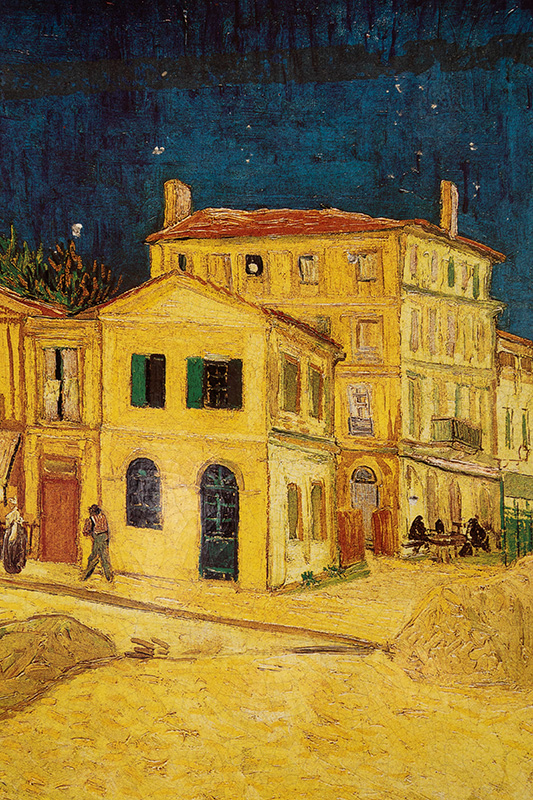 ed to be very photogenic. It is no wonder that Arles is home to France’s national school of photography.
Next we had a walking tour of Arles in which it was easy to get confused about the many centuries of history. We stopped by the site of Van Gogh’s yellow house which, unfortunately was too close to the train station an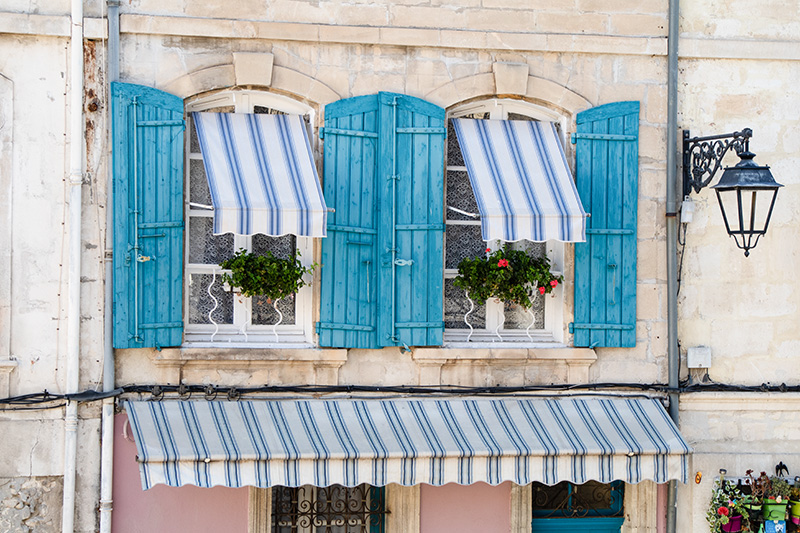 d was destroyed by bombing during World War II. All around town there are signs showing Van Gogh’s paintings at the locales featured. It was in Arles that he cut off his ear and landed in an asylum. We also had a pleasant stroll along the Rhone River. Unfortunately I can’t share all the pictures here but I did like these blue shutters and awnings near the arena.
After enjoying lunch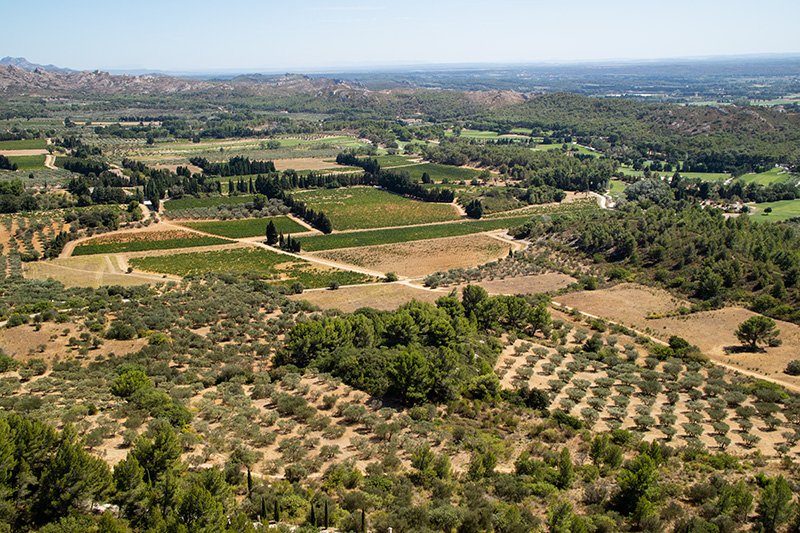 at a creperie we boarded the bus for a trip to another charming village called Les Baux-de-Provence. Built on a hillside in and area which features houses built into the cliffs called troglodytes, our clime to the top of the village street was rewarded by an amazing view of the Povencal countryside.
We ended the day with a stop at a family run olive farm wh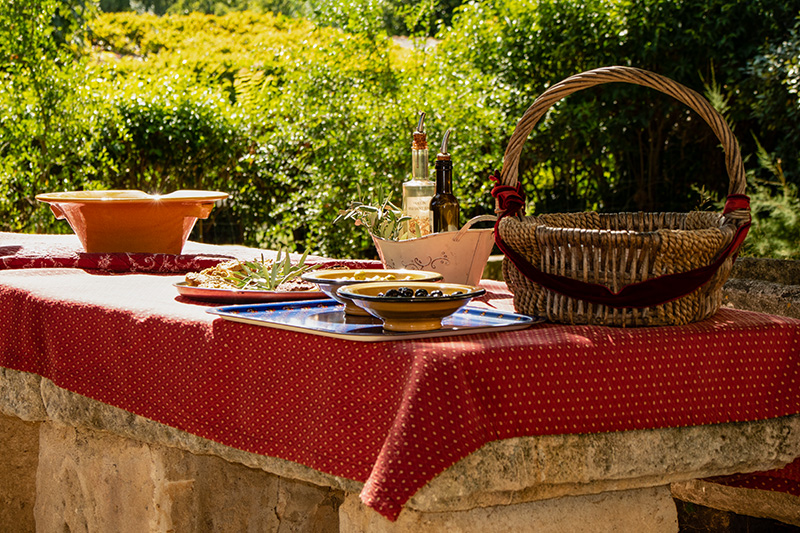 ere we were treated to tastes of their olives, some tapenade, and even some of the neighbor’s wine.
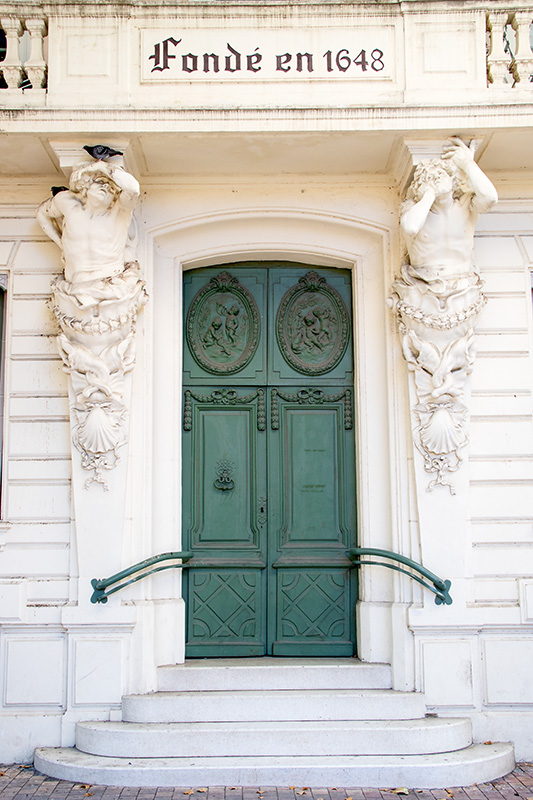 On leaving Carcasonne we did not have too far to travel to our next stop in Narbonne, a pleasant village with Roman roots, an unfinished Cathedral, and a thriving indoor marketplace.
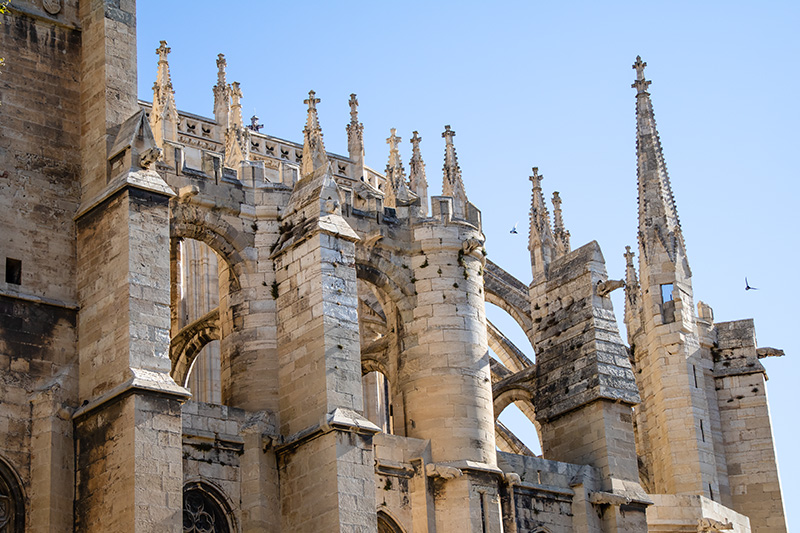 Next we made our way across the street to a Cathedral which was begun in 1272 and never completed so that it is lacking the impressive facade of most such structures but still sports flying buttresses and turrets, not to mention some
 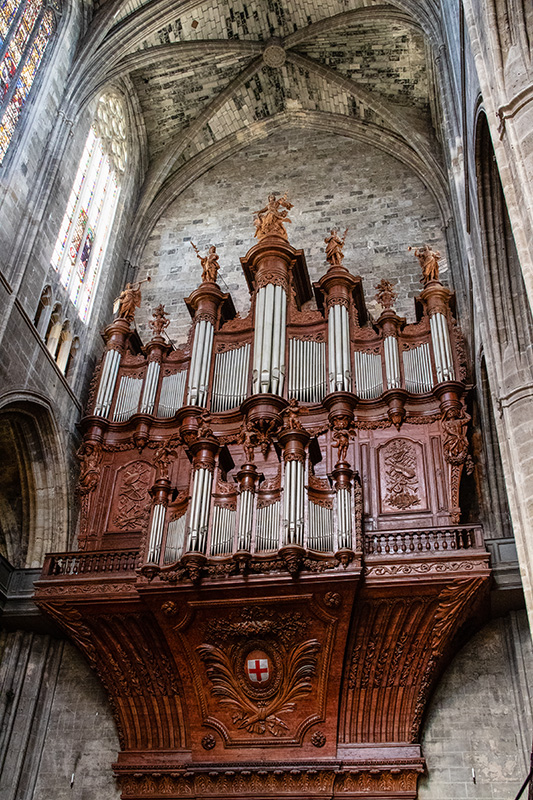 newly cleaned and restored gargoyles. An organ dating from the 18th century is also an impressive feature.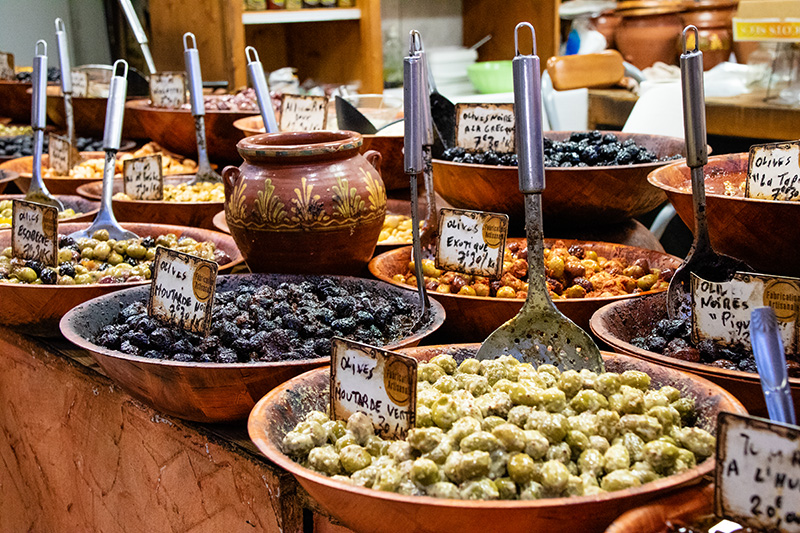
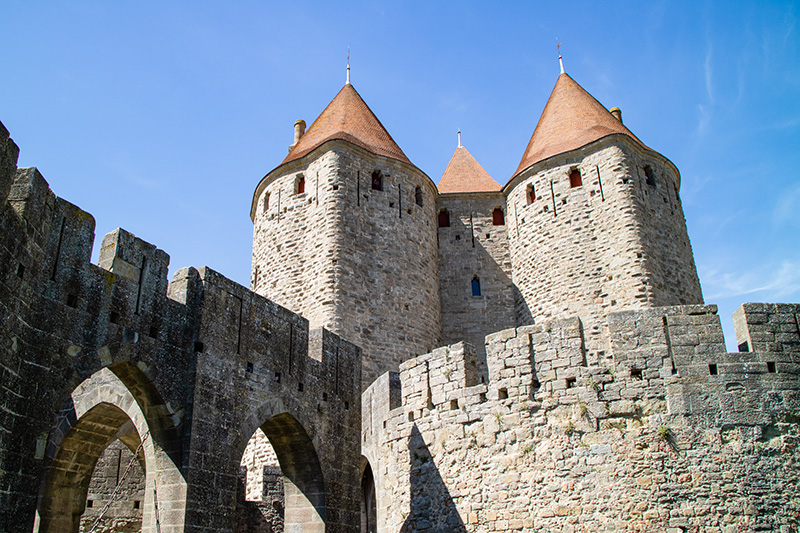 My blogging was interrupted by a bad wifi connection at our last hotel in Arles. So, now I am trying to catch it up from home. Hard to believe that it has only been a week since we were strolling the streets of Carcasonne, a well preserved medieval city which was at its heyday in the 12th century with a population of nearly 3000 within the Cite walls. With th
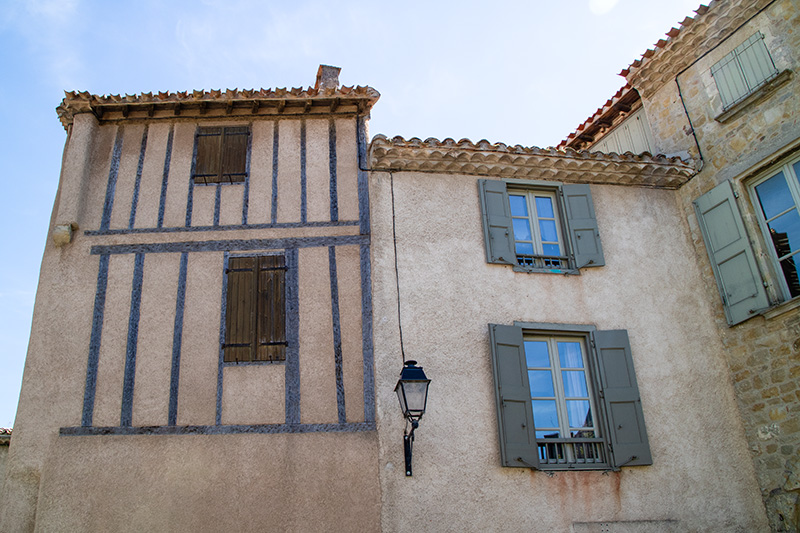 e modernization of warfare and shifting geographic importance the site fell into decline by the 16th century but was restored by the architect Viollet Le Duc in the 19th century. The walled city is now a UNESCO world heritage site and the 5th most visited National Monument in France. But there are now only about 50 permanent residents as most of the homes have been turned into shops and restaurants.
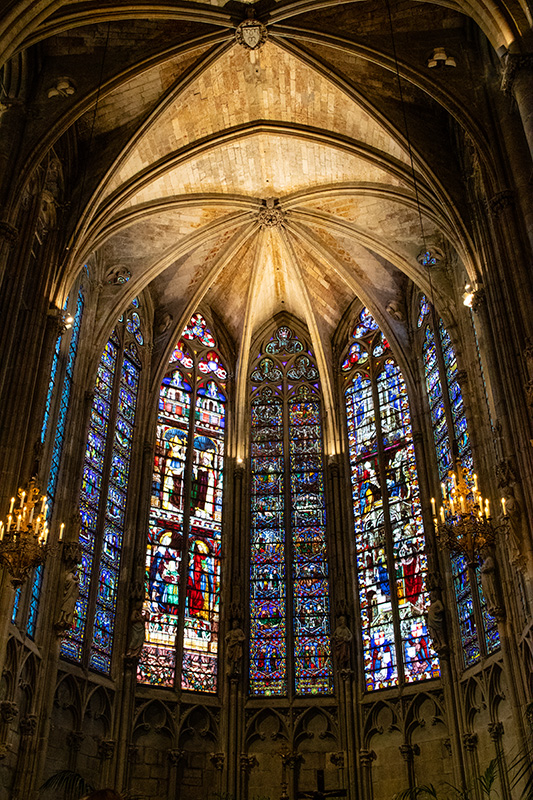 morning we arrived at the gates of Carasonne just in time for lunch at a restaurant specializing in casoulet, a hearty stew of beans and a variety of meats and sausages. After dropping our backpacks at the hotel, we met our local guide for a walking tour which included the castle inside its own walls and a cathedral which seemed far too grand for such a small community.
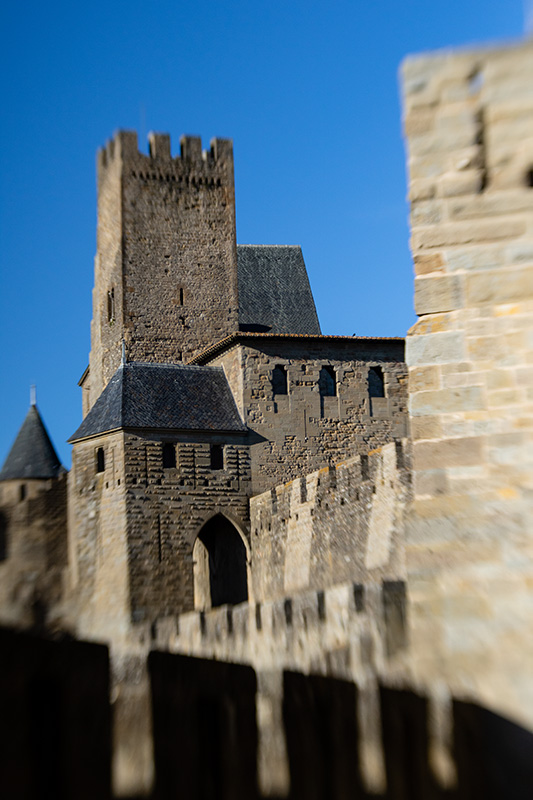 ity and had a chance to walk once more around the outer walls, but we had to leave bright and early the next morning. I could easily have spent another day exploring this charming place.
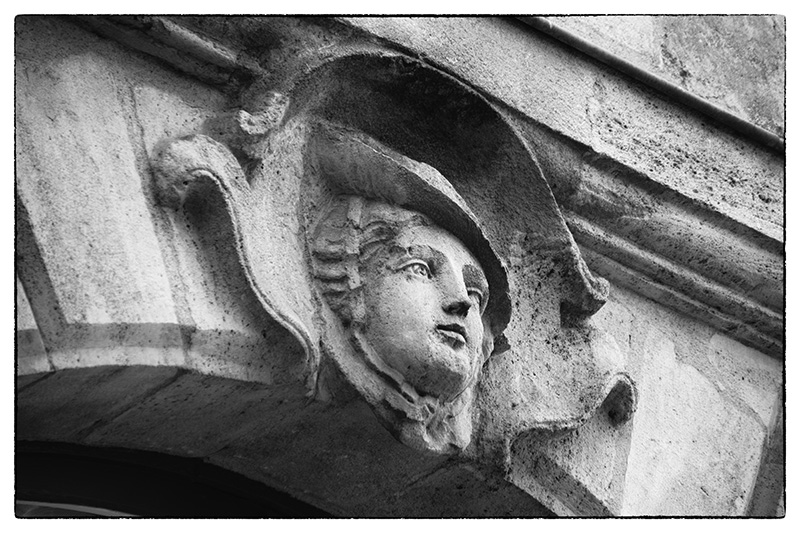 We arrived in Bordeaux by high speed train and had to scurry to quickly find lunch on our own because the chef at the restaurant where we were supposed to eat had decided not to come back from holiday.
 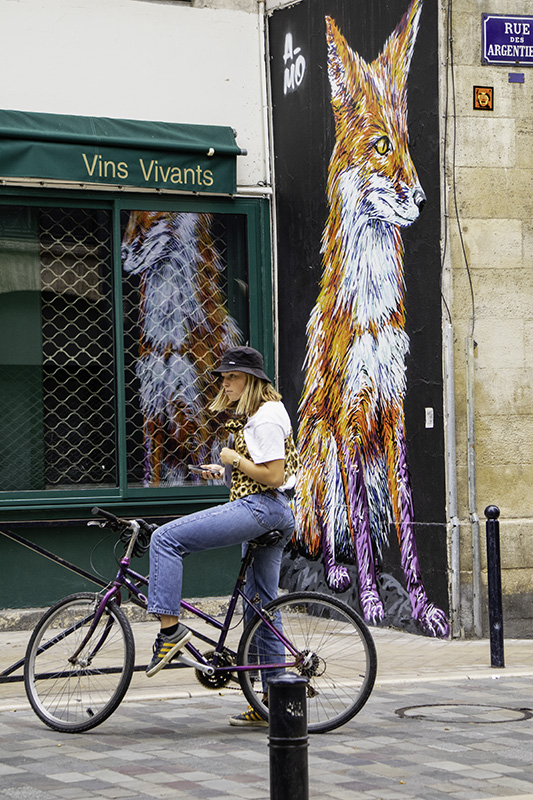 informative but grueling. Bordeaux has an interesting history as a port city which has been around since Roman times and spent much of it’s life under English rule. Many of it’s 17th century structures feature arched windows which have faces on the keystones representing the diverse population of the city.
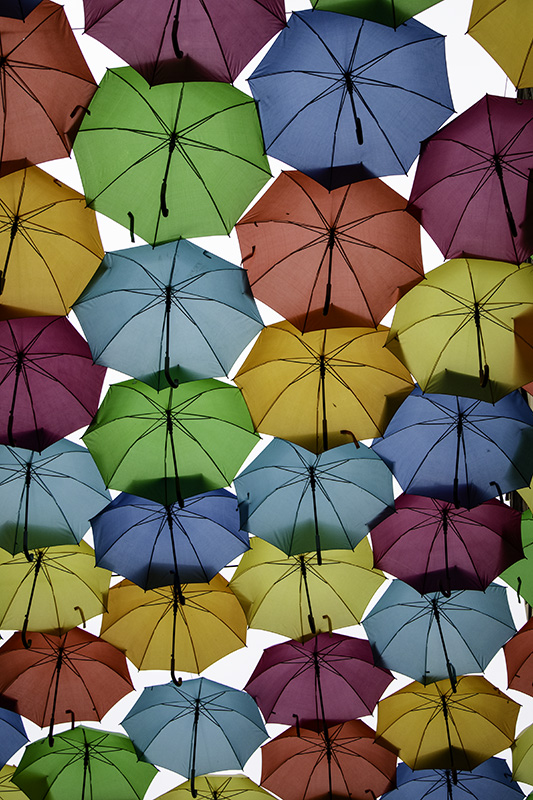 After a brief rest in our new hotel it was time to proceed back to the streets to make our way to dinner which didn’t end until close to 10pm. Not an unusual event in France.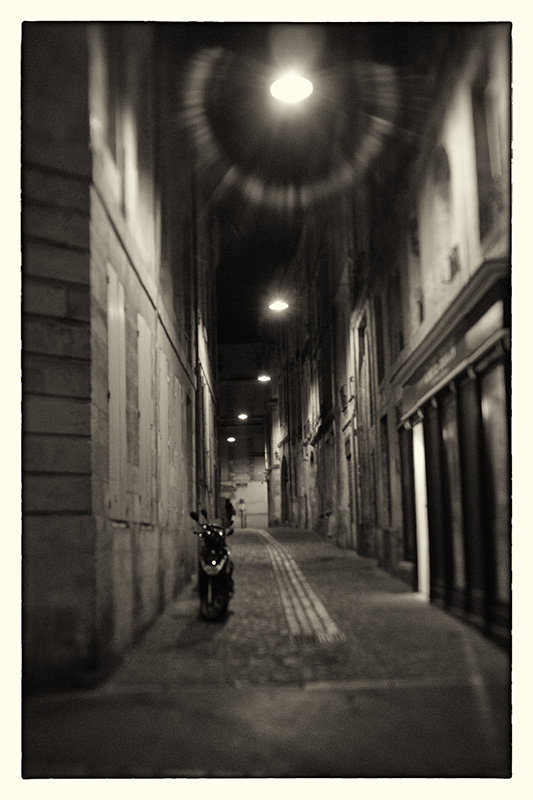
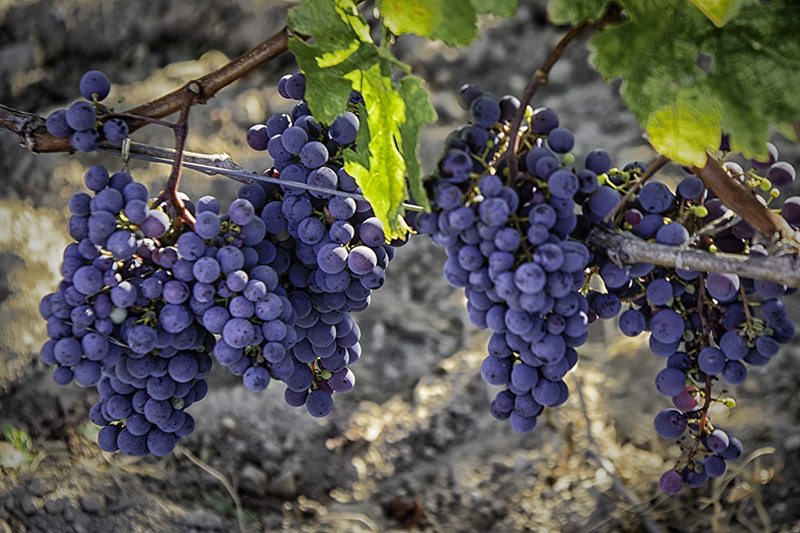 wine making followed by a walking tour of the town and the Monolithic Cathedral. After lunch it was back on the bus and back to Bordeaux for some free time exploring the streets of the city on our own.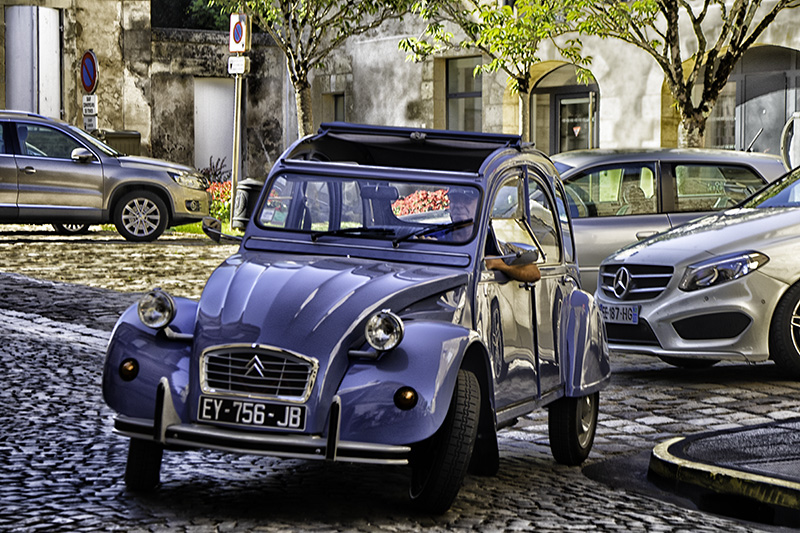
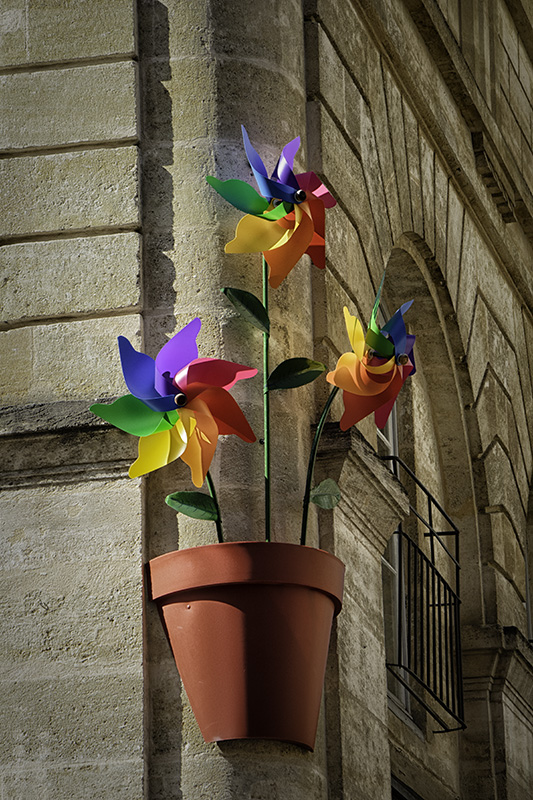
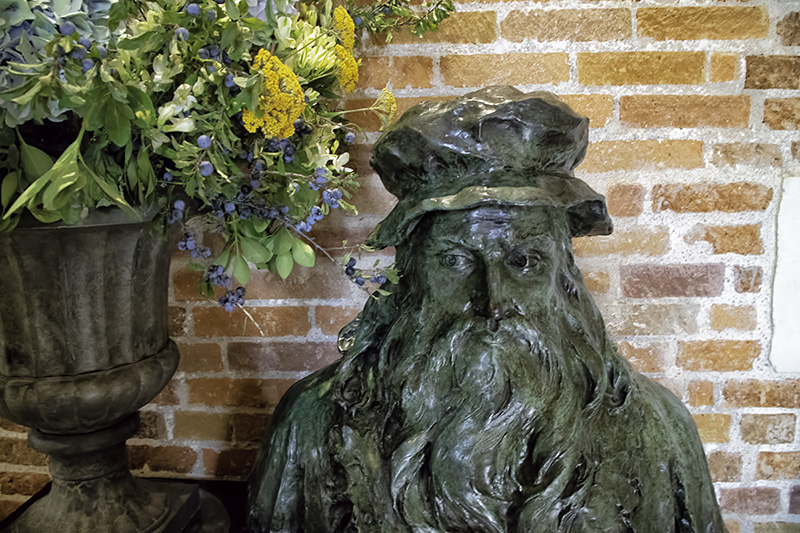 some of his many inventions. I haven’t gotten a photo processed of the house itself but I liked this shot of the bust of the man himself with some flowers.
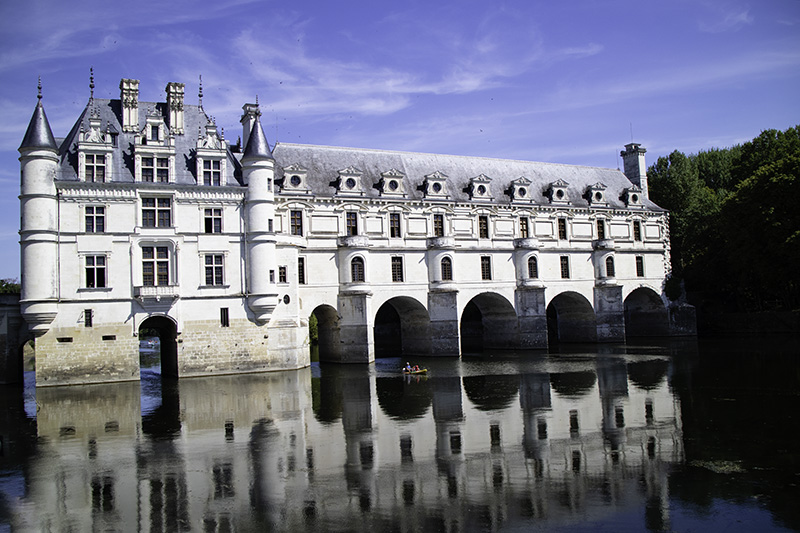 r the women who owned and designed it. It is partially built over the river so the reflections are spectacular. I wasn’t expecting all the boaters but they added a nice touch.
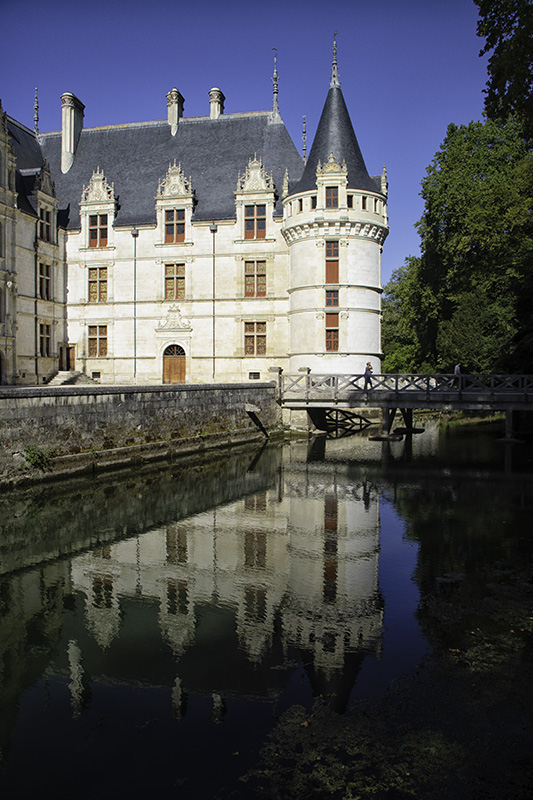 was Chateau d’Azay le Rideau. We had a private guided tour and it wasn’t too crowded so lots more good pictures coming. I am trying to get this finished before breakfast which starts now so there is not much time to go into details.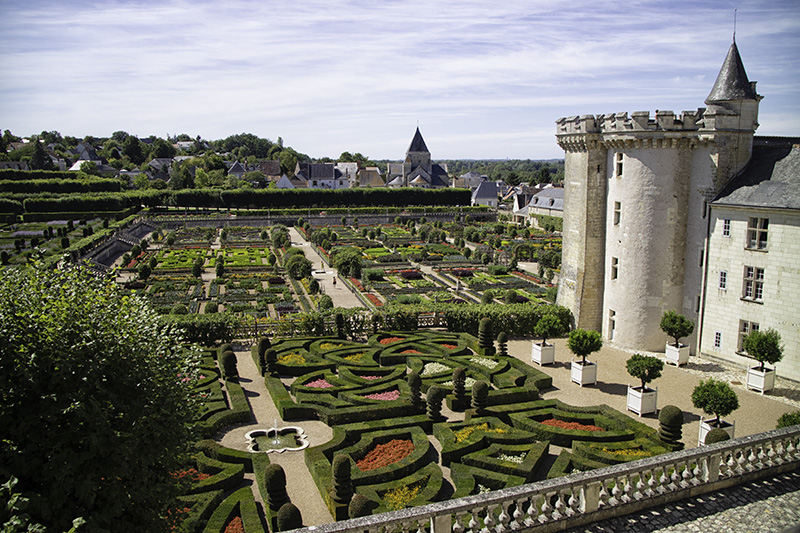
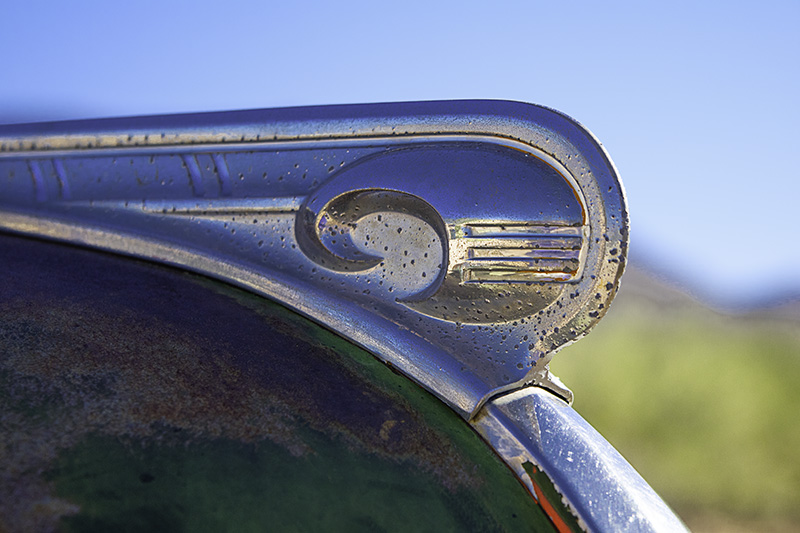
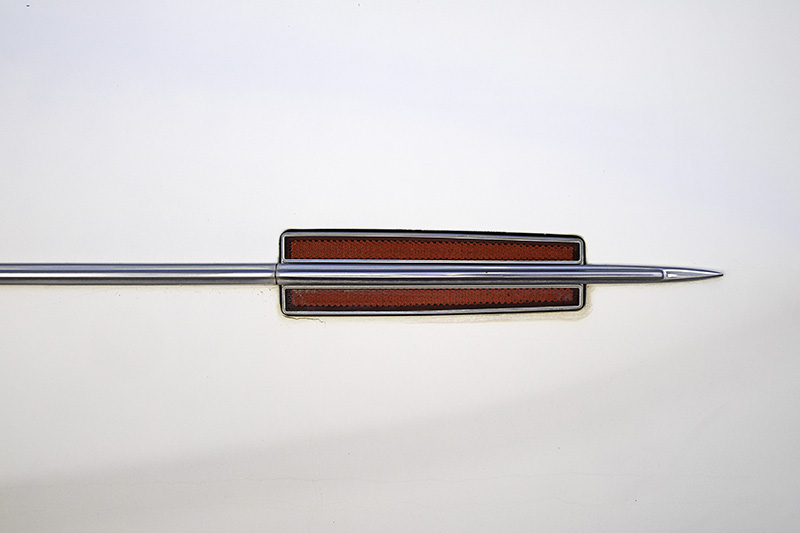 ay was all about Route 66! There is a stretch of the old highway now maintained by the State of Arizona as AZ66 which veers far away from the interstate and passes through some towns which have dedicated themselves to preserving the history of the iconic route. I had the most fun just looking for abstracts of parts of old cars and trucks.
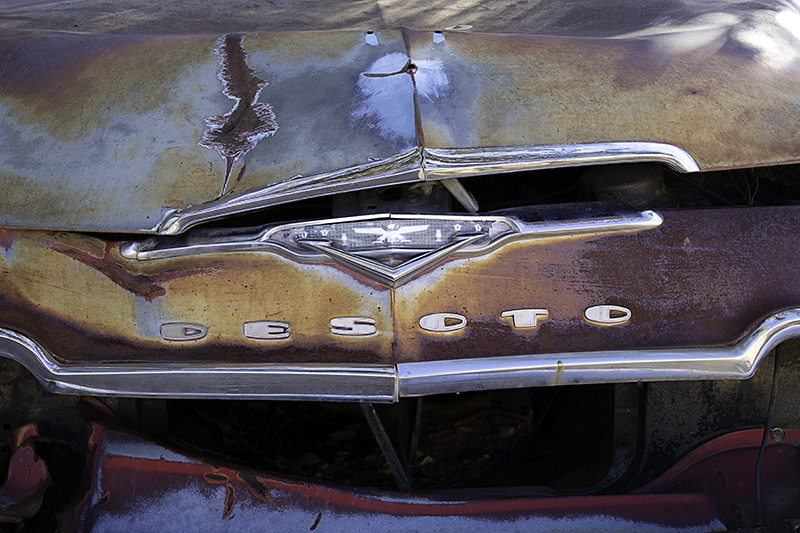 The next two, a wrecked DeSoto and the hood ornament of a dodge ram truck from the 1930s were found at the Hackberry General store which is a treasure trove of old cars, coca cola signs, gasoline signs and even an old tractor or two.
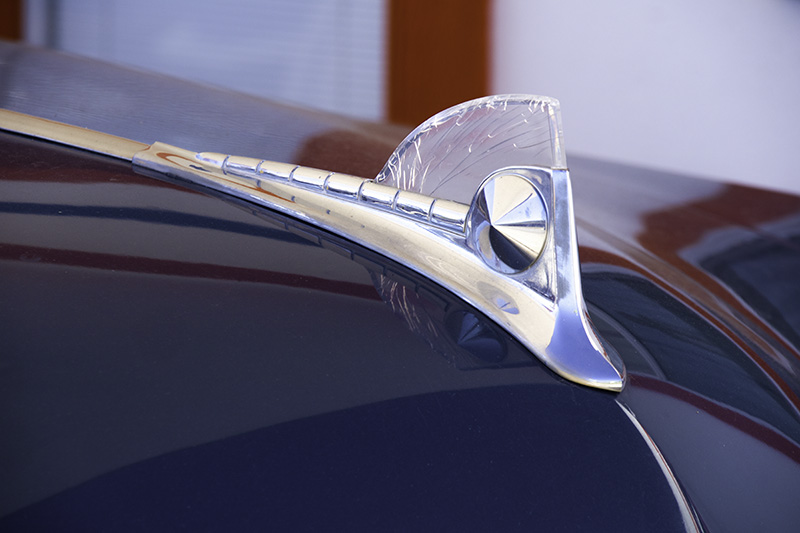
 a sneak peak at Williams where I will be staying on the first night headed back. Williams is a city that has built its economy on its erstwhile position on Route 66 and its proximity to the Grand Canyon. If you are looking for Route 66 kitsch, you will find it in Williams. I found this 1950s ford reflecting its red and white restored gas station for a great hood ornament abstract.
 group this evening. I’m looking forward to letting someone else do the driving for a week. I was disappointed to learn that absolutely no photographs are allowed on the Hopi Reservation where we will be going tomorrow but at least I will be able to get some shots at the Heard museum before we head back north. Assuming, of course, we will be able to head back north given the forecast of snow in Flagstaff.