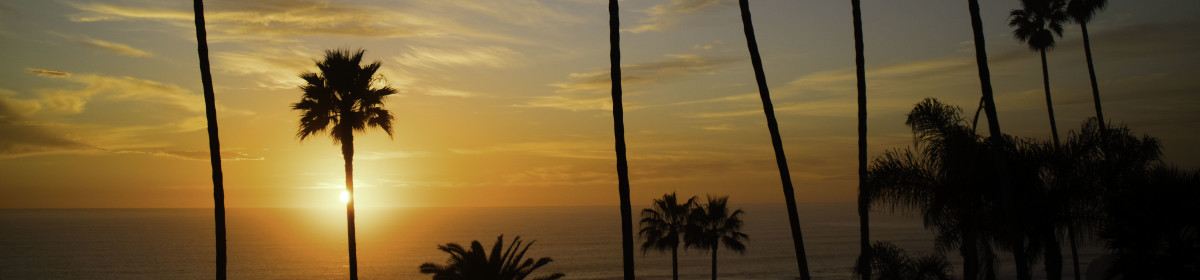
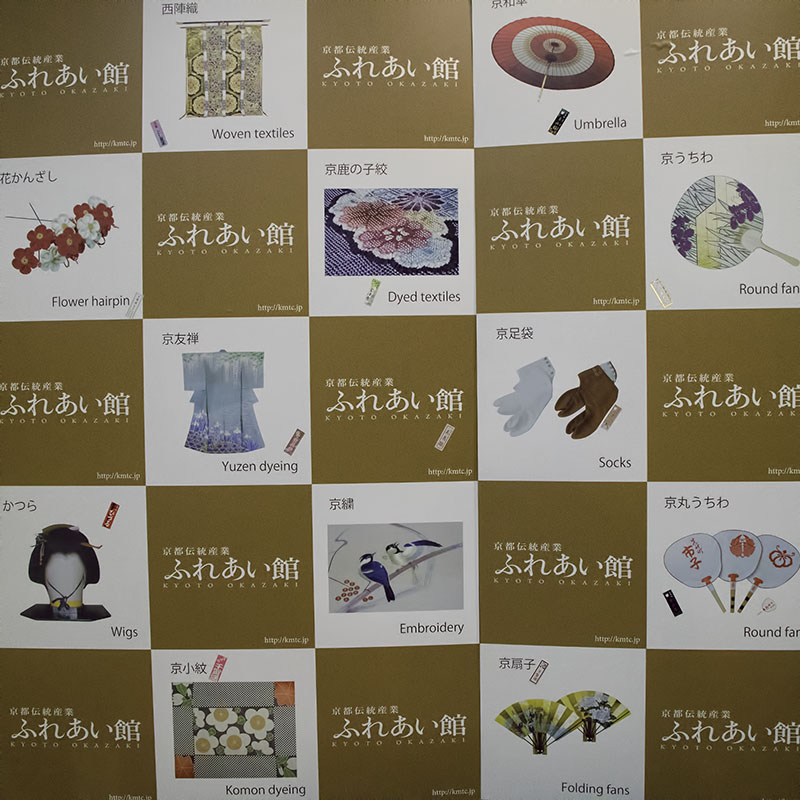
 Today’s excursion started with a visit to a museum of traditional Japanese handicrafts. As usual no photos were allowed. Except in one little corner where they had set up a place to do selfies. It was a very nicely done museum with lots of videos of crafters at work. We could have spent a lot more time there and a lot more money in the lovely museum shop.
Next, we headed up the street to the Heian Shrine which, despite its name, 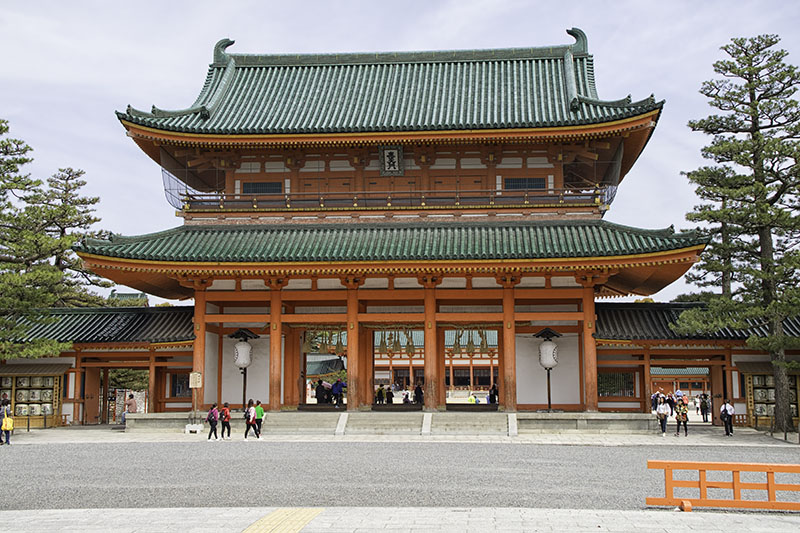 does not date back to the Heian period but honors the history of Kyoto and was built in 1895 to bolster the city’s morale and economy after the capital and emperor’s residence was permanently moved to Tokyo. In case I haven’t already mentioned it, a shrine is a Shinto place of worship, while a temple is a Buddhist place of worship. At one time the two were rather intertwined but during the Meiji period of modernization it was decided that Japan need a state religion and Shinto was split off to fill that role. It has been argued that Shinto isn’t really a religion at all but more a system of beliefs to guide one through life.
From the Shrine we taxied to lunch where we took over an entire small restaurant and were served rice curry. This is a popular dish in Japan but was adopted from the British Navy many years ago. After lunch we walked up the s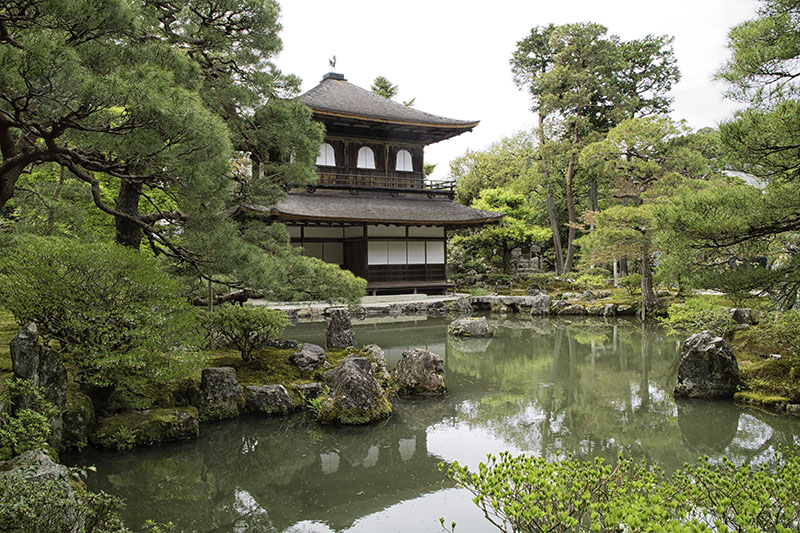 treet to Ginkakuji, also known as the Silver Pavilion. It was intended to be covered in silver but due to economics and/or political changes, it never was. It started as a summer home for the Shogun but was converted to a temple after his death.
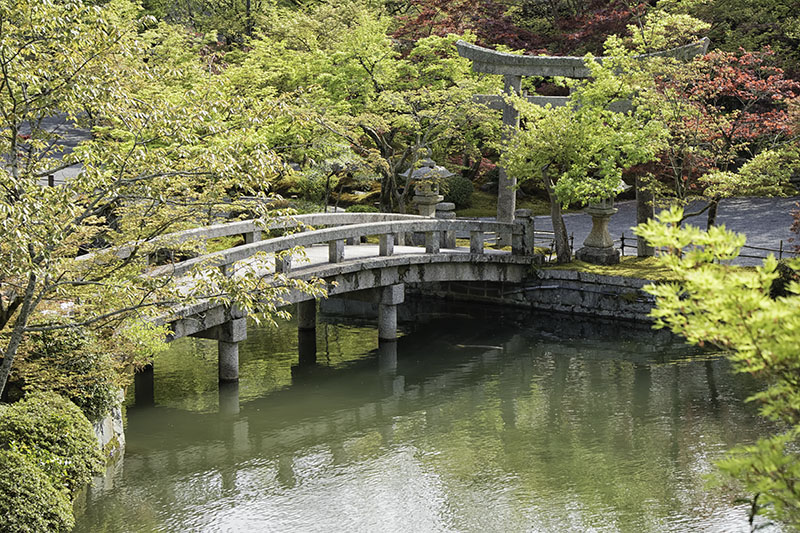
We were turned loose after the temple to find our way back. I opted to walk 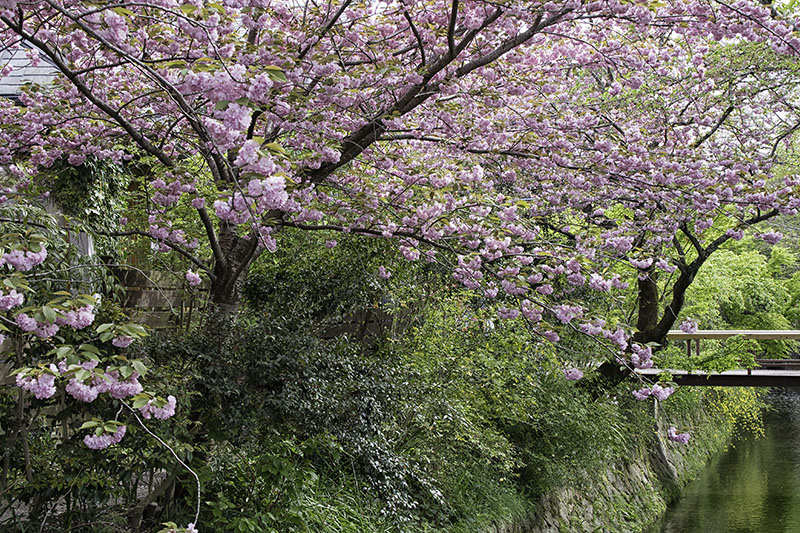 the Philosopher’s walk which connects several temples. Of course, there was not time to visit them all so I just walked the path and visited the first temple at the end called Eikando Zenrin-Ji. It had a beautiful garden and was not overrun with tourists like some of the other places we have visited. So, I was able to take my time walking around and photographing.
 When I was done I just had to show my hotel card to a taxi driver and he took me home without incident. For dinner we had some local Japanese guests to talk to about their lives. At our table we had a young college student who had lived in the United States for a few years when her father, who works for Mitsubishi had an assignment near Chicago. It was an Italian restaurant and we were served appetizers, salad, pizza, spaghetti (with a definite Japanese flair) and a breaded chicken filet.