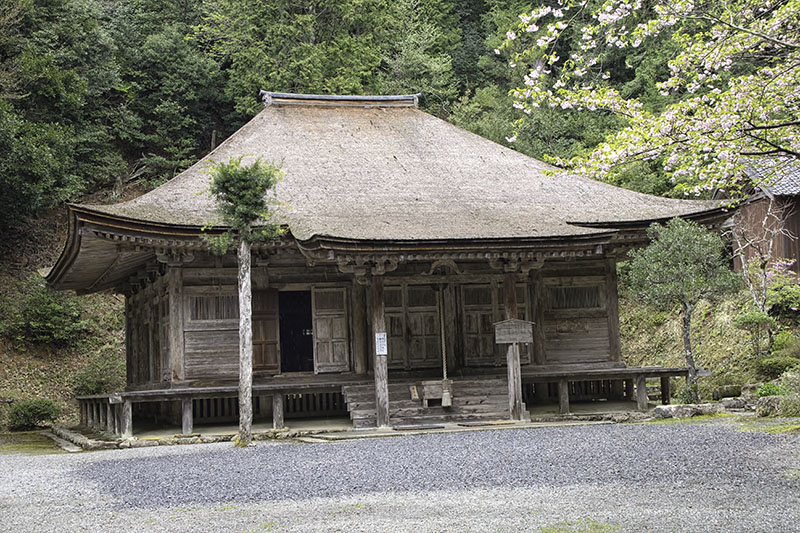
Today for my final day in Great Smokey Mountains National Park I went searching for waterfalls. I found a couple. There were more in the area of the Juney Whank falls but after hiking a quarter mile up hill and then back down I was hot and tired of carrying all my camera gear so decided to let the others go.
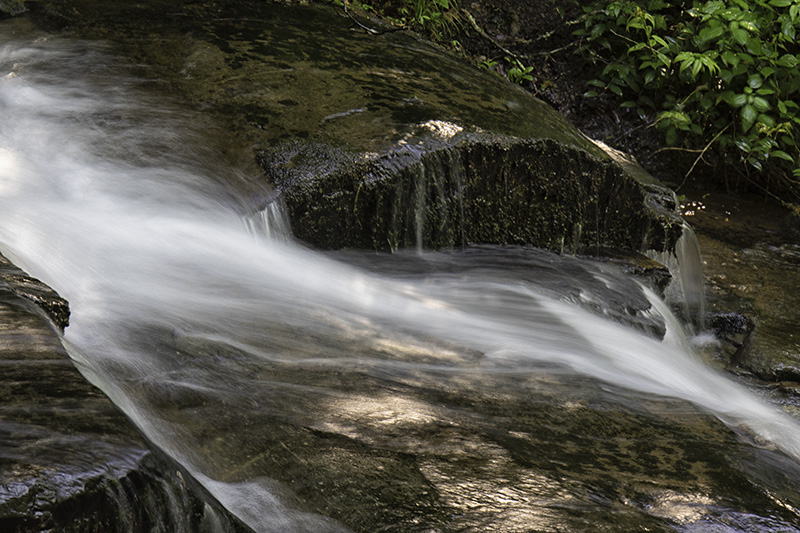
Base of Juney Whank Falls
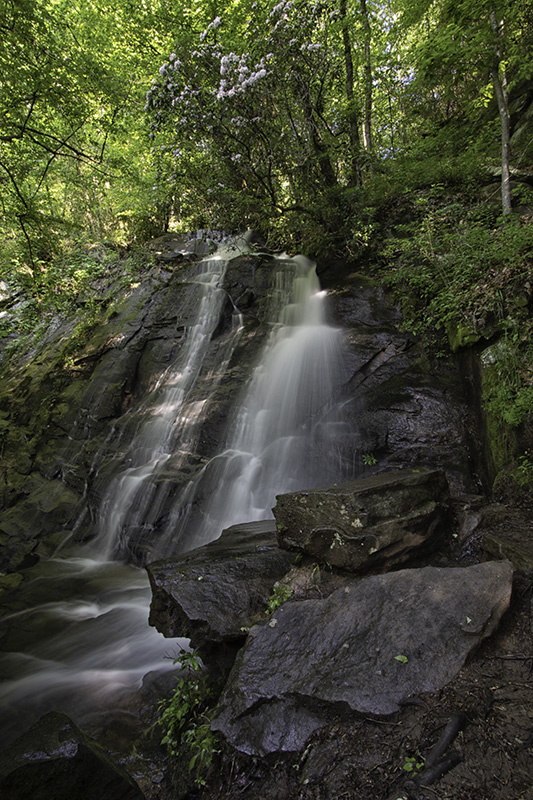
Juney Whank Falls
But after a rest I headed up to Mingo Falls which is technically outside the park and on Cherokee lands but still beautiful in spite of a very long steep set of stairs to get there. I only wish some people would teach their children to be quiet and listen to the beautiful sounds of nature. Mingo Falls is said to be one of the highest in Southern Appalachia.
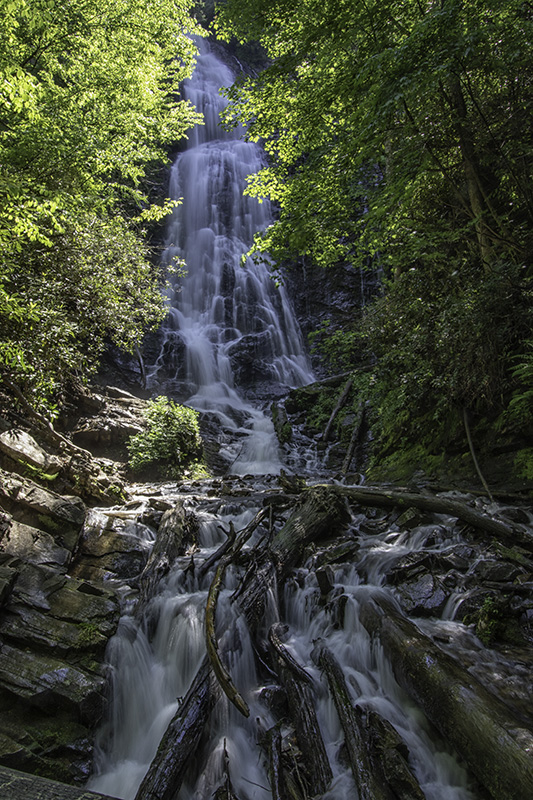
Mingo Falls
After a final stop at the Oconaluftee visitor’s center to pick up some music to put into a slide show I went back to my room for a little rest. Then I headed to the Qualla Arts Center to view some Native American crafts. I liked the baskets but they were too big to take home. I had to skip the Cherokee museum this time as I have been told it takes all day to do it justice and I didn’t want to pay $12.00 to just breeze through.
After consulting Trip Advisor I had concluded that the only good restaurants in this area were in the casino so I decided to head over there and check it out. Oh, my, this place makes Seven Feathers look like amateur hour. I sat down thinking to make a donation to the tribe and immediately won $75.00. I yo-yoed for a while but ended the day with $40 more in my pocket than I started with and a nice meal to boot.
Just to round out my trip I decided to go back up to Mingus Mill this evening and try to get the picture I had to give up on when we were there the other day. Not only did I have the place to myself, I had the added bonus of better light on the mill and a slow enough shutter speed to get some nice flow in the flume.
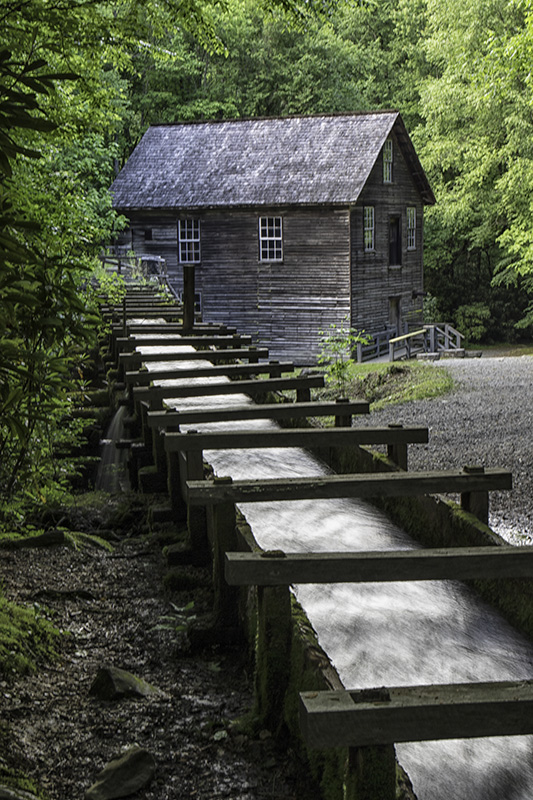
Mingus Mill
And that, my friends, is the end of my Great Smokey Mountains Adventure. I saw most of the park accessible by road and got to know much of it’s history. I thought this might be enough to scratch my itch to see the Smokies but I don’t know, I may have to come back again to see it in the fall.
Check back around the end of August when I will be reporting my next adventure which will be in France.
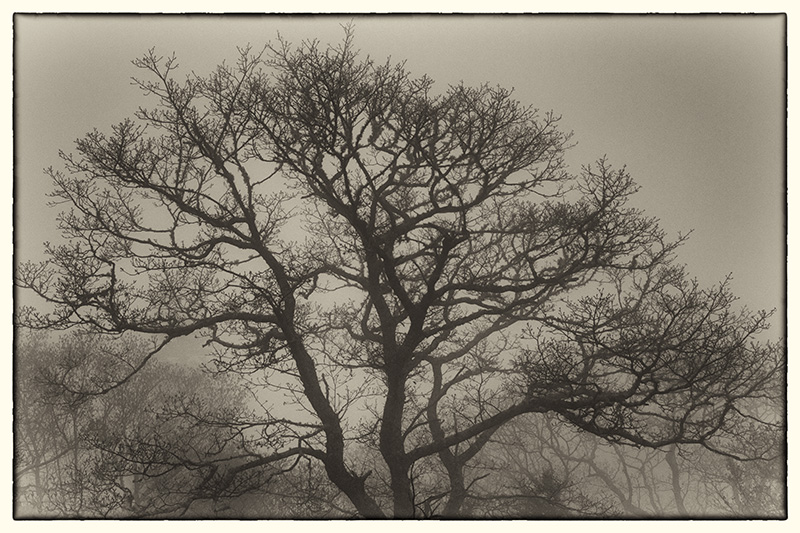
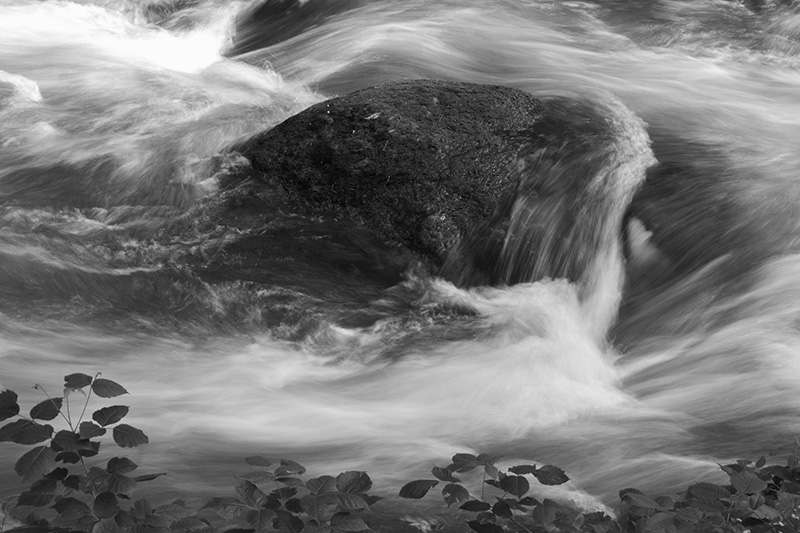
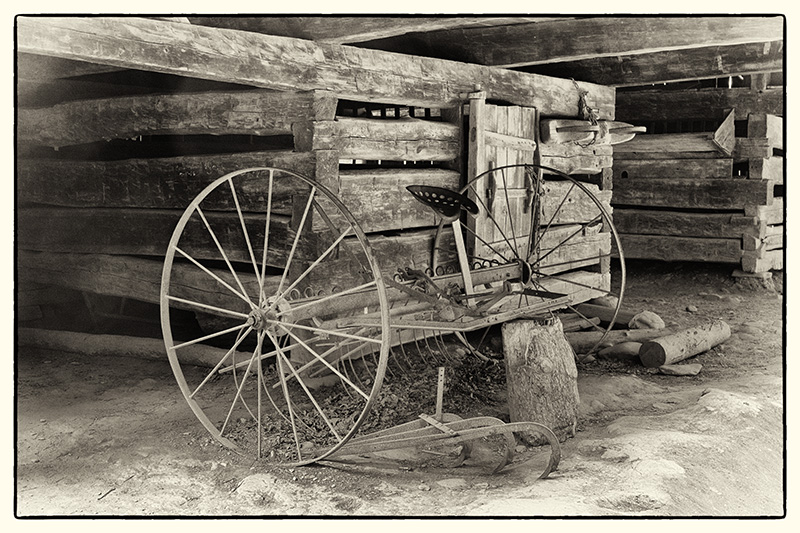
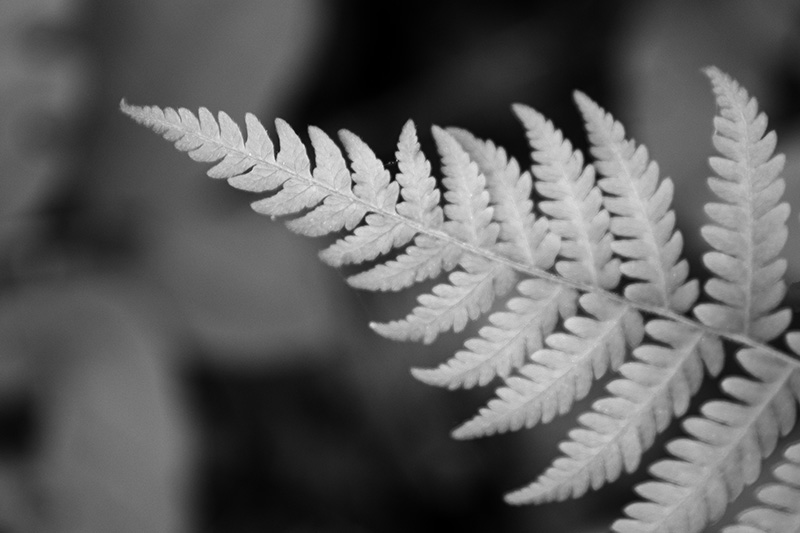
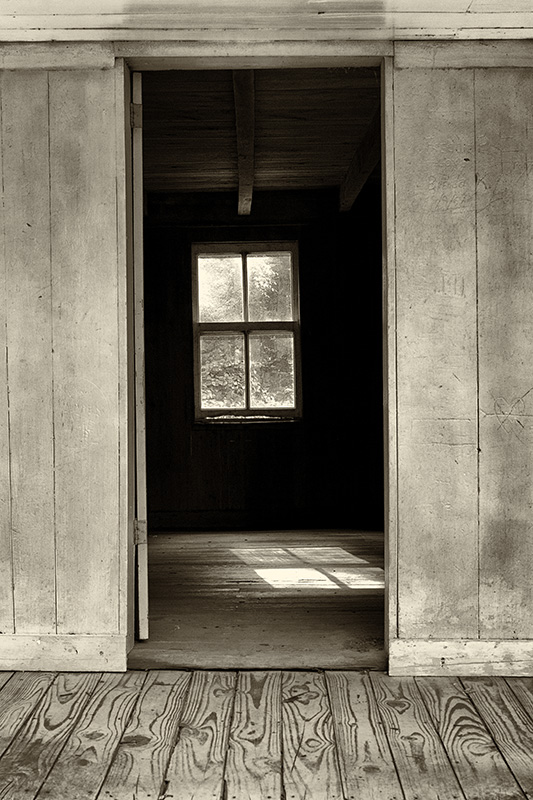
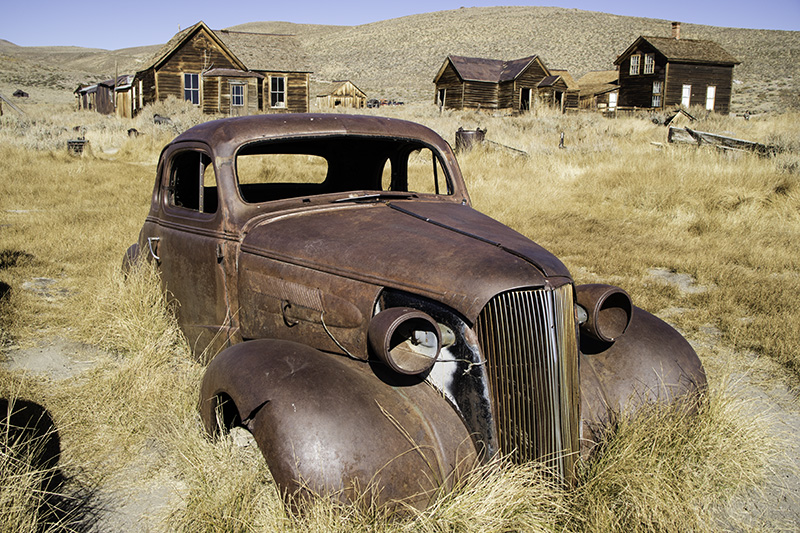 Bodie, California, one of the best ghost towns ever, has been on my photographic bucket list for at least 25 years. Today I finally got there and it didn’t disappoint. Well, not too much. Unfortunately, it has gotten very popular and unfortunately the timing of my trip put me there on a Saturday so I didn’t exactly have the place to myself.
 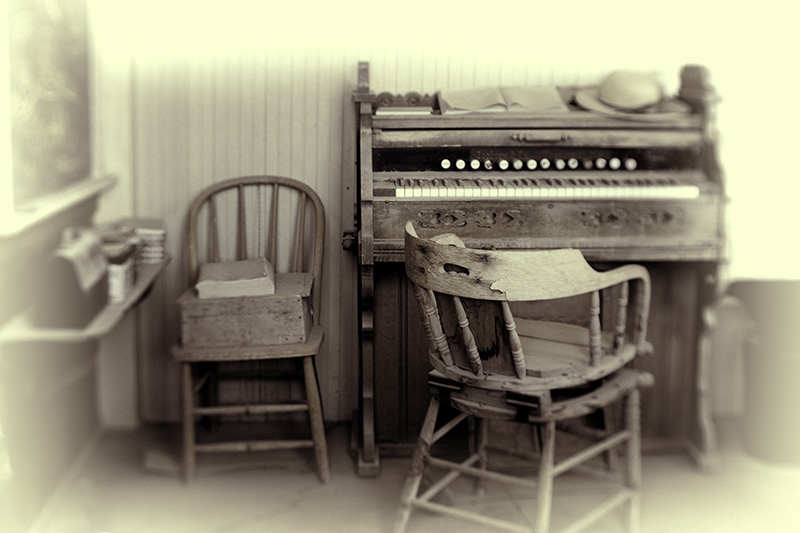 car in line at 8:45. By the time I left around 11:30 the parking lot was full, there were about 10 cars lined up to pay the entrance fee and I must have passed at least 20 more coming up on my way down. There was a photography workshop there getting in the way of many of my pictures but still I persevered and got some good shots in spite of it all. I am thinking of giving it another go on the way back to catch the afternoon light and see if it is a little less crowded on a weekday.
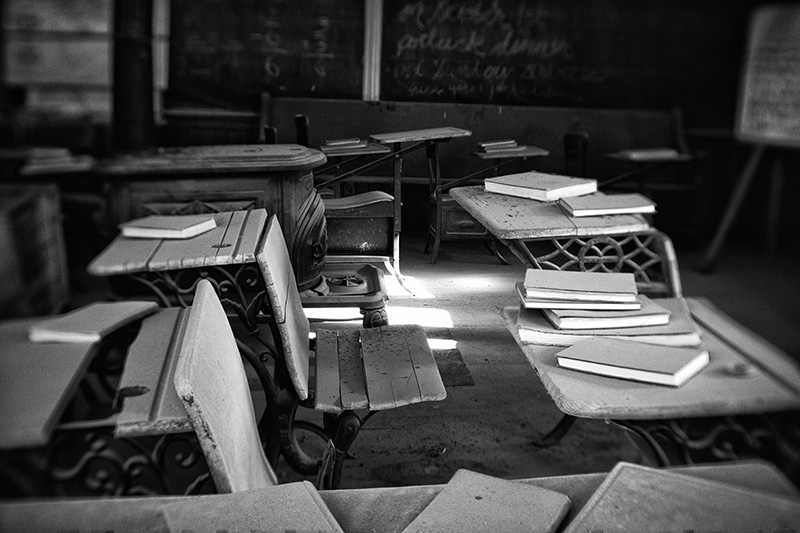 I haven’t yet finished processing my pictures but I have enough to give you a taste of Bodie. Gold was first discovered here in 1859 but it wasn’t until the 1870s that a vein was found that made large scale mining profitable. Bodie boomed for about 10 to 15 years but by the 1890s the mines began to play out. A couple of fires put a few more nails in it’s coffin and by the 1940s the town was deserted and most of the land fell into the hands of the family that owned the bank.
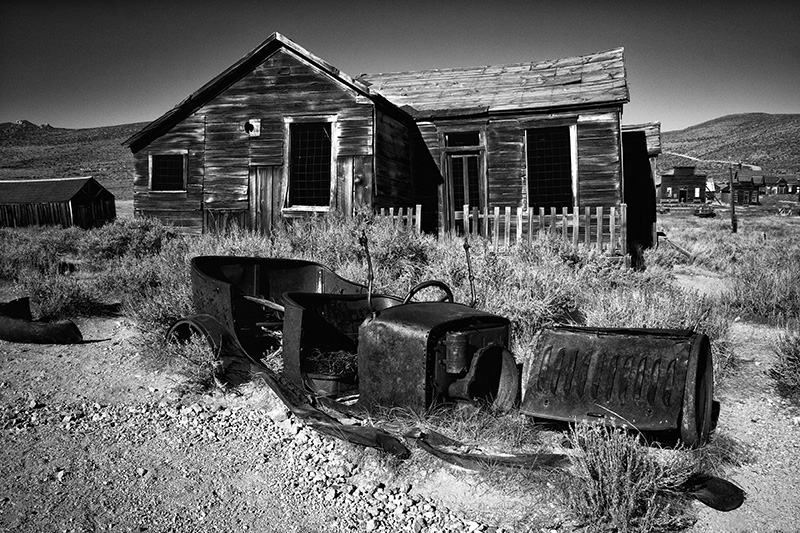 assumed an attitude of what they call arrested decay. Things have been left as they were when the residents left town and the rangers repair but do not restore the buildings. The cold dry climate at over 8000 feet elevation helps to keep Bodie somewhat intact.
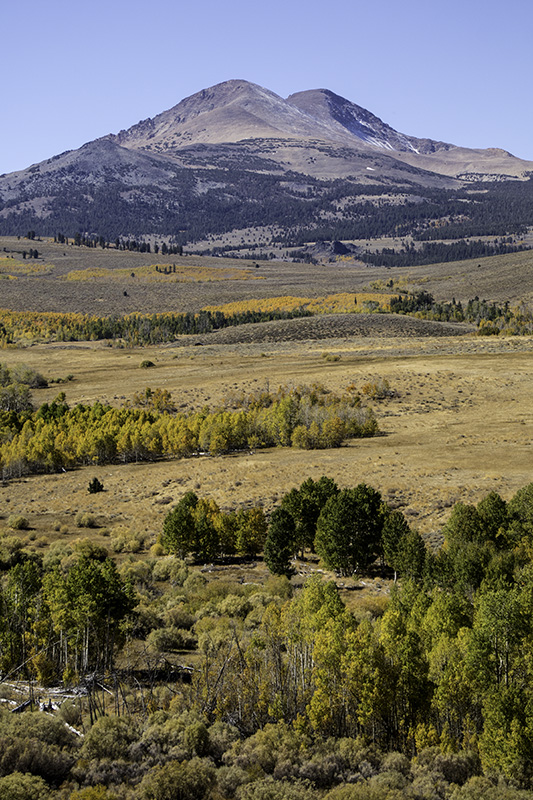 Leaving Bodie to make my way to my next stop in Bishop I saw a lot of aspen, some past peak, some beautiful but surrounded by sagebrush so not very photogenic. I only found one patch worth stopping for and somehow the picture just doesn’t capture what I was seeing. I also tried to stop at Mono lake put I didn’t have the right parking permit and I couldn’t find where to get one and since it was mid day I didn’t expect the photos would have been that great anyway.
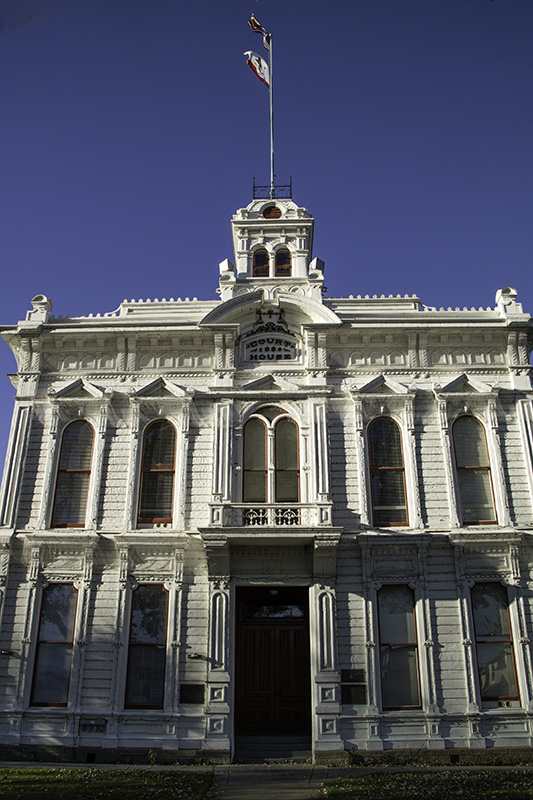 After a long hard day of driving I ended up in Bridgeport, California without significant incident. Fortunately, I think this will be my longest day of driving the whole trip. After a short rest I took the M3 out for a walk to see what I could find. It turns out my motel is right next door to the Mono County courthouse whose architecture I would have to describe as Italianate meets Greek revival. It is a pretty building, in spite of its schizophrenic design. Aside from being the county seat Bridgeport’s main claim to fame is being the gateway to Bodie, California’s most famous ghost town. That is, after all, why I am here.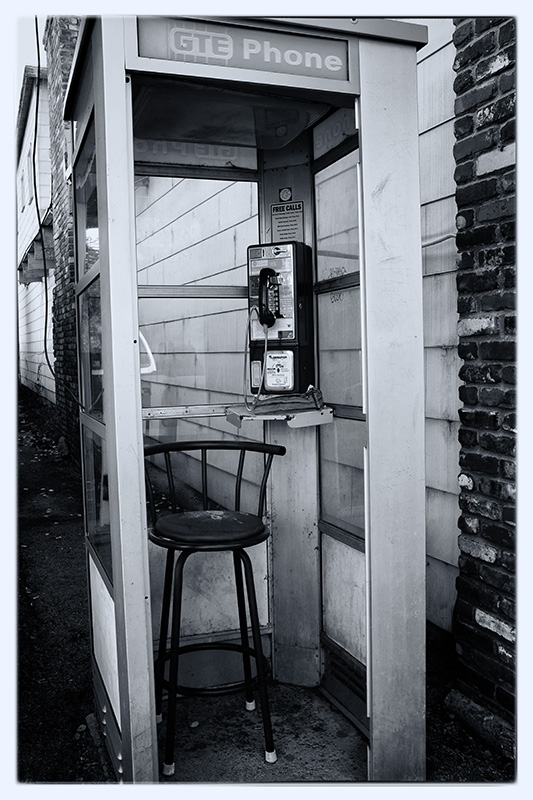
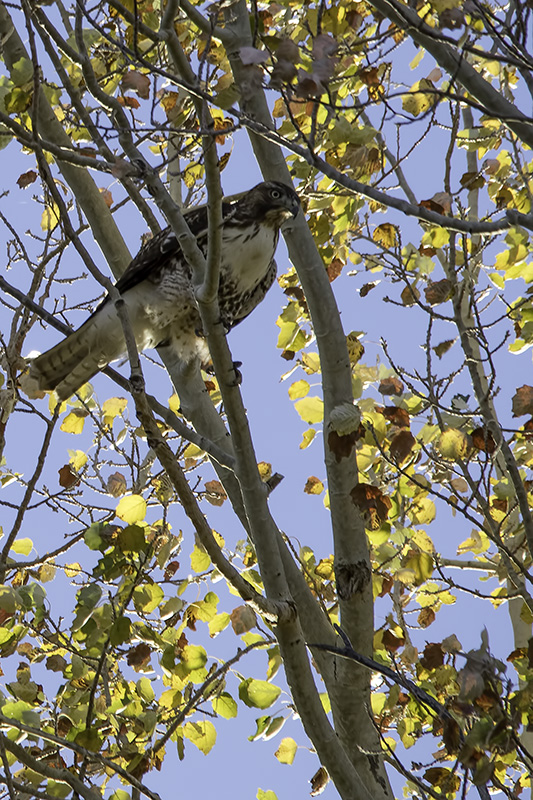 historic buildings, neon signs, and old mining equipment I headed down a side street where this hawk cruised into a tree right beside me. Yes, I did have to do some serious cropping as I only had a 18-150 zoom lens with me but I think he came out pretty well, all things considered.
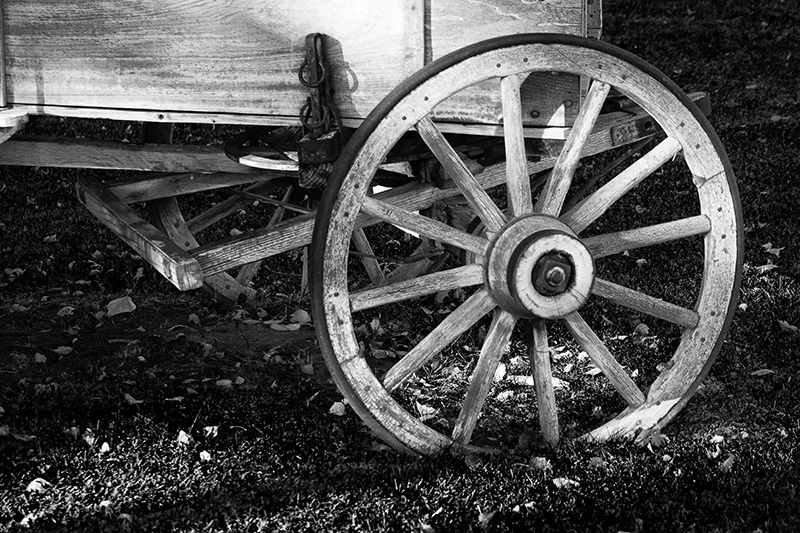 useum which, sadly was closed. But there was an assortment of mining and agricultural equipment from days gone by outside. None of the photos made the final cut for tonight though. I preferred this wagon wheel I found back at the motel.
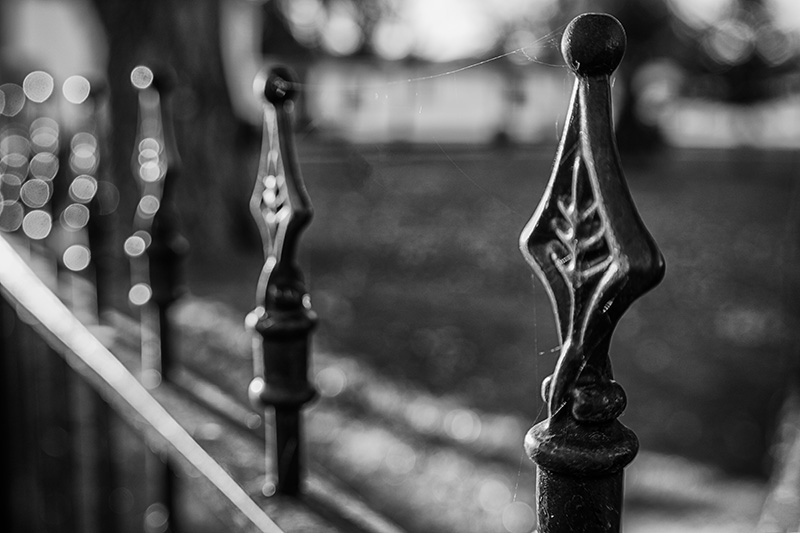 e mood tonight. Maybe it is just the subject matter. It turns out the courthouse plays bells every half hour. I hope this doesn’t go on all night as I need to get my beauty sleep before heading up to Bodie tomorrow.
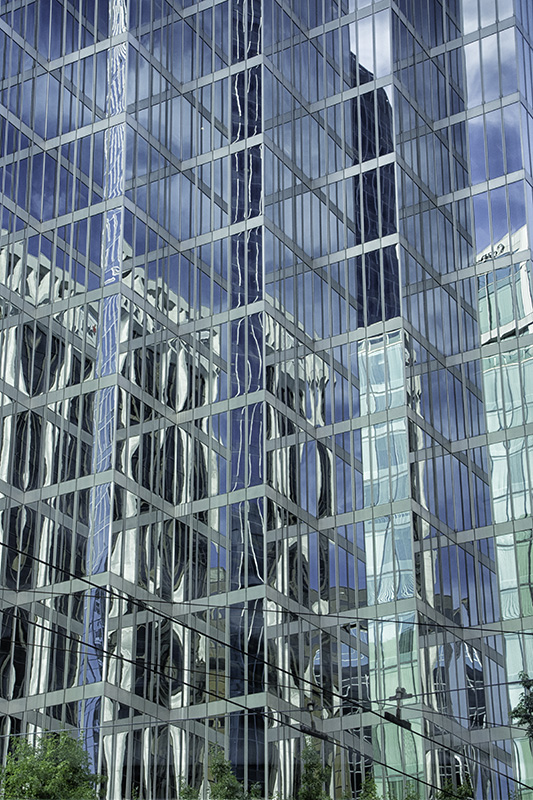 Our first full day of touring started with a bus ride around town with a guide to tell us all about the history and culture of the city. One thing we learned is that the reason they build so much with glass and steel is that it is more flexible during an earthquake than concrete or brick. We also learned that there is a serious housing crisis in the city as real estate prices keep spiraling upward. A tiny condominium in one of those high rises can go for upwards of a million dollars. People are being priced out of their own homes because the appraised value is so high they can’t afford the property taxes. Living in paradise has its price it seems.
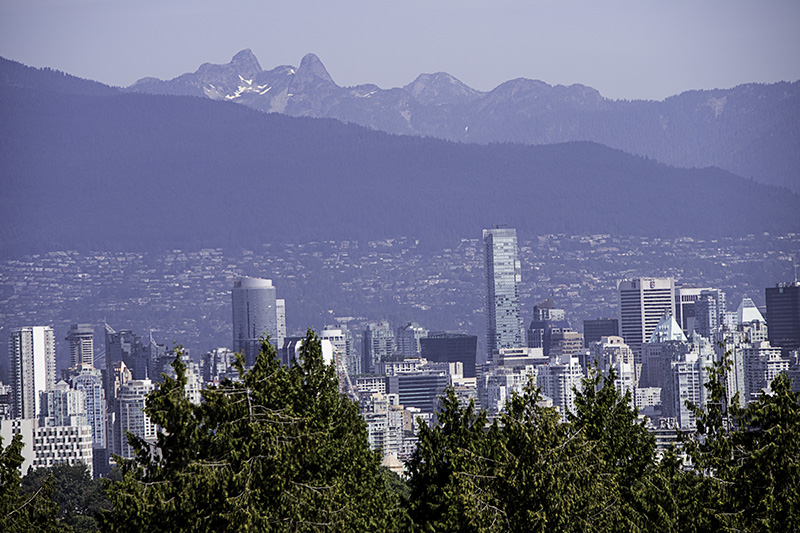 the city has the best views. It also features gardens planted in old quarry beds and a geodesic domed conservatory. There is also a plaza with a huge fountain surrounded by spaces for Tai Chi clubs to practice.
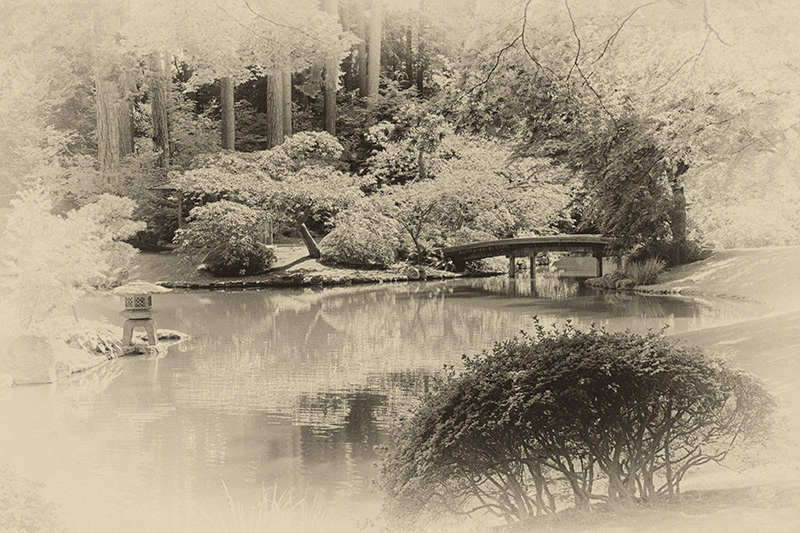 sounded like quite a guy, well ahead of his time in thinking globally and creating a culture of peace. Having just been to Japan I was a little underwhelmed with the garden, though I am sure it makes for a wonderful retreat from the hectic city. My photos all came out just looking green so I decided a black and white treatment was the way to go.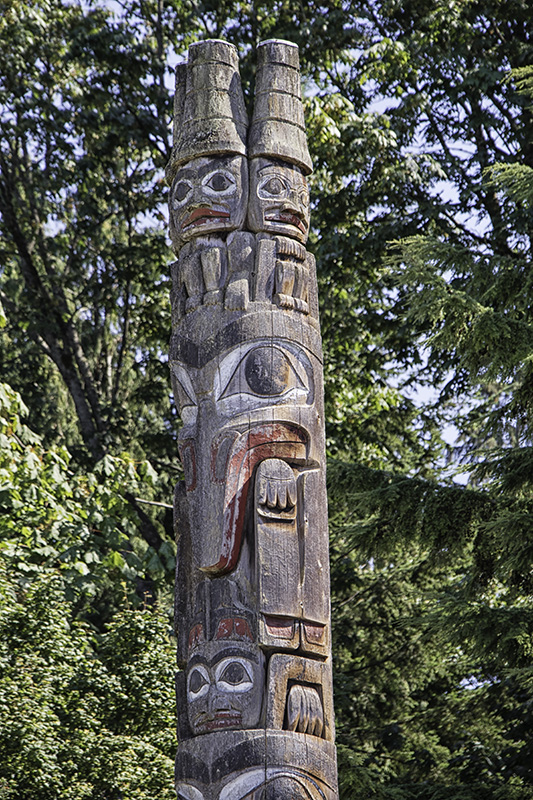
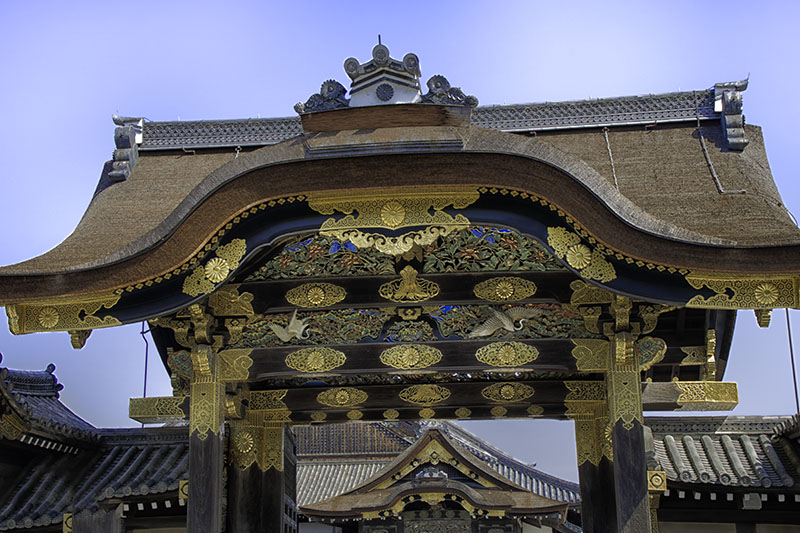 final day in Kyoto started with a visit to Nijo Castle, the last remaining home of a Shogun. It was a very impressive complex with gold leaf on the gates and three-dimensional wood carvings. There were paintings on gold leaf covered screens with tigers in rooms where power was to be commu
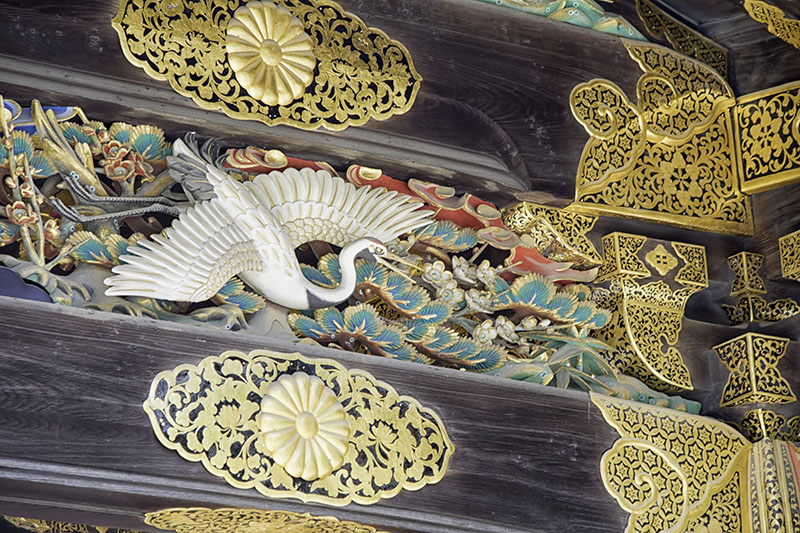 nicated and peonies in the more peaceful areas. The floors were intentionally designed to squeak when walked upon so no one could sneak up on the Shogun.
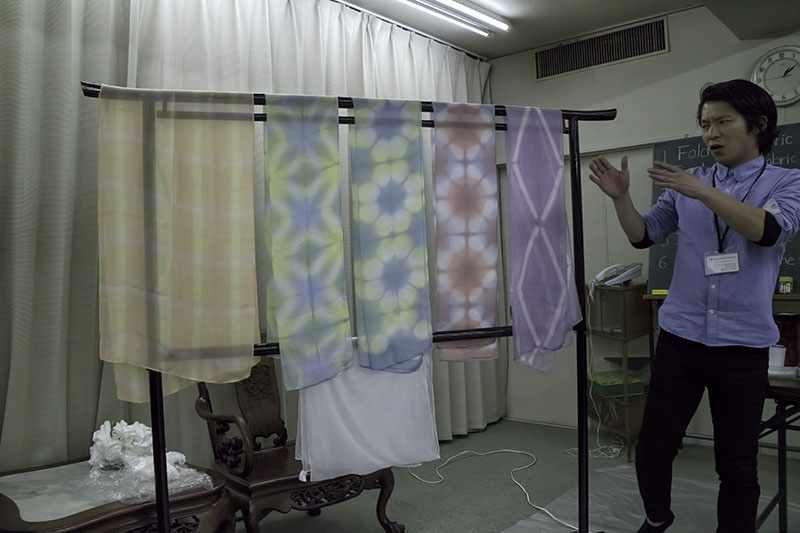 We then walked a few blocks to the Shibori museum where we had a lesson in making dyed silk scarves. We got to keep our creations to take home and most everyone wore them to dinner. We also saw a video on the shibori technique which consists of tying off hundreds of little bits of fabric and then dying it to create beautiful patterns. It is painstaking work
 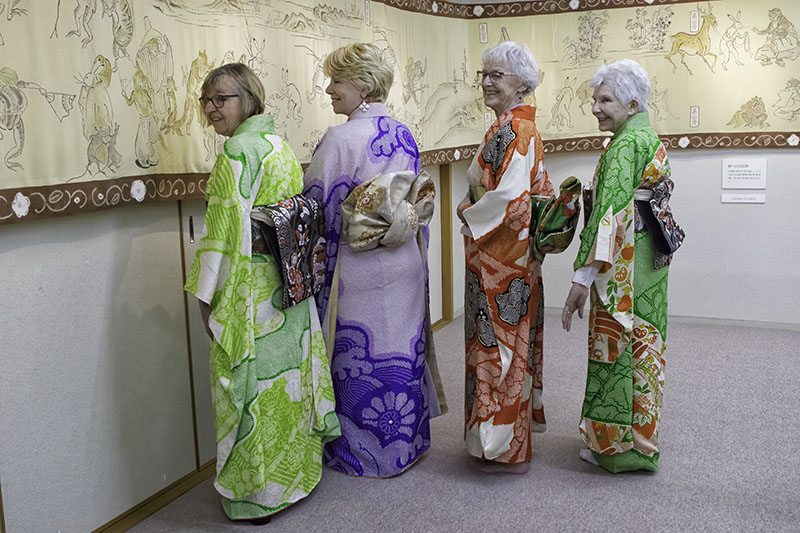 and can take up to two years to make a kimono which might then sell for $15,000. Some of our ladies had an opportunity to try on the kimonos.
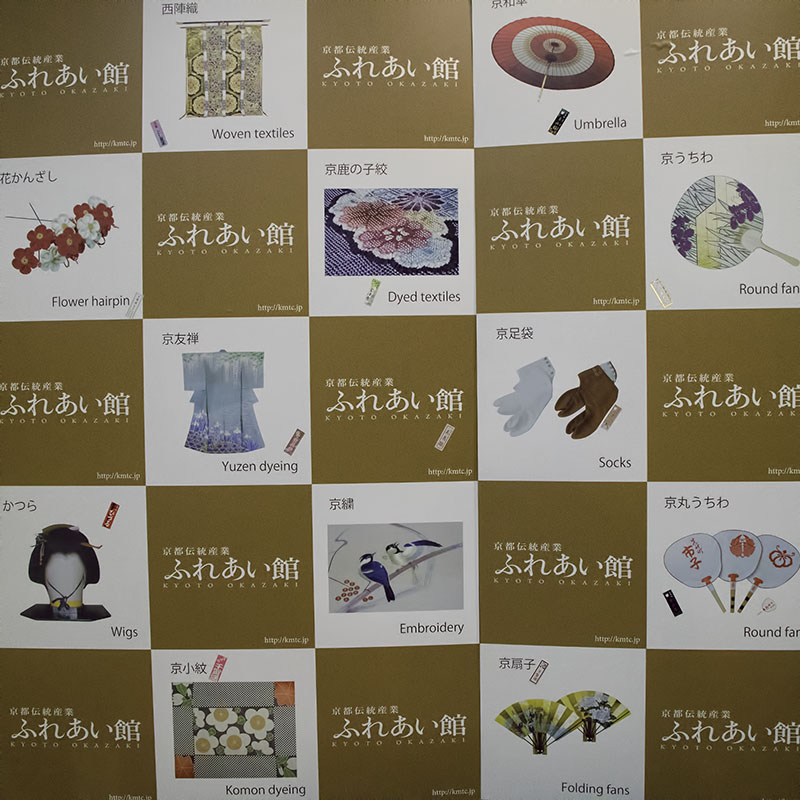 Today’s excursion started with a visit to a museum of traditional Japanese handicrafts. As usual no photos were allowed. Except in one little corner where they had set up a place to do selfies. It was a very nicely done museum with lots of videos of crafters at work. We could have spent a lot more time there and a lot more money in the lovely museum shop.
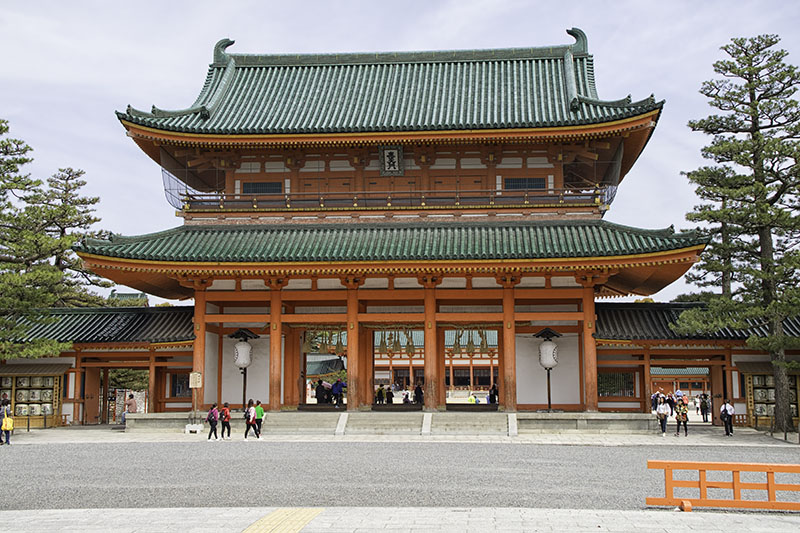 does not date back to the Heian period but honors the history of Kyoto and was built in 1895 to bolster the city’s morale and economy after the capital and emperor’s residence was permanently moved to Tokyo. In case I haven’t already mentioned it, a shrine is a Shinto place of worship, while a temple is a Buddhist place of worship. At one time the two were rather intertwined but during the Meiji period of modernization it was decided that Japan need a state religion and Shinto was split off to fill that role. It has been argued that Shinto isn’t really a religion at all but more a system of beliefs to guide one through life.
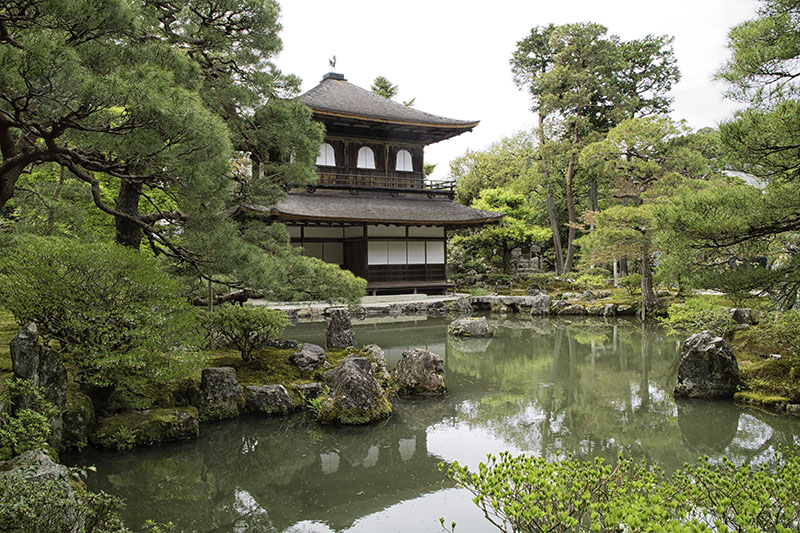 treet to Ginkakuji, also known as the Silver Pavilion. It was intended to be covered in silver but due to economics and/or political changes, it never was. It started as a summer home for the Shogun but was converted to a temple after his death.
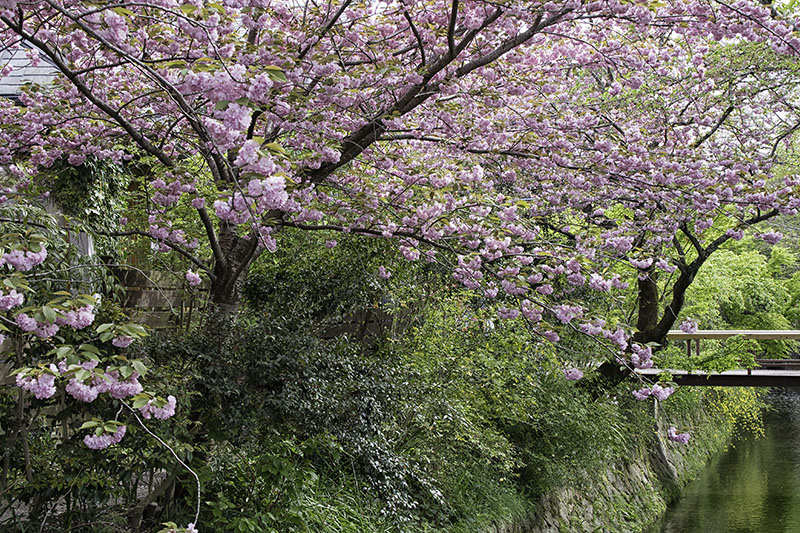 the Philosopher’s walk which connects several temples. Of course, there was not time to visit them all so I just walked the path and visited the first temple at the end called Eikando Zenrin-Ji. It had a beautiful garden and was not overrun with tourists like some of the other places we have visited. So, I was able to take my time walking around and photographing.
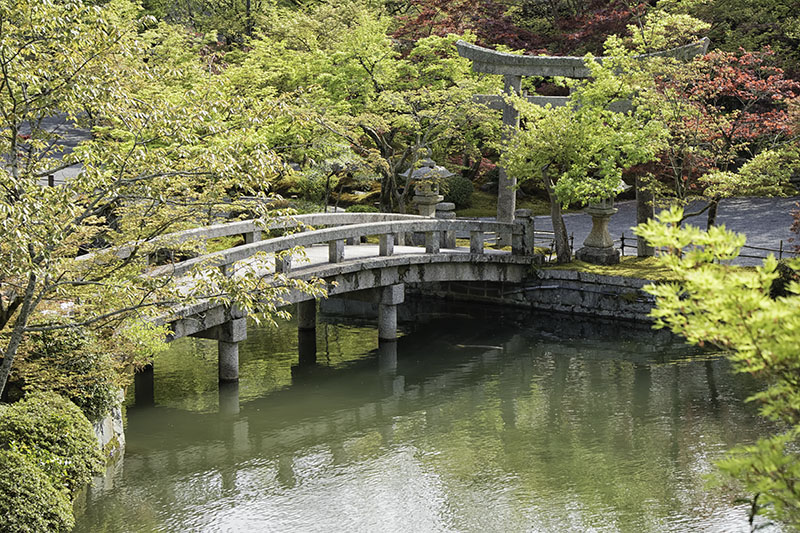 When I was done I just had to show my hotel card to a taxi driver and he took me home without incident. For dinner we had some local Japanese guests to talk to about their lives. At our table we had a young college student who had lived in the United States for a few years when her father, who works for Mitsubishi had an assignment near Chicago. It was an Italian restaurant and we were served appetizers, salad, pizza, spaghetti (with a definite Japanese flair) and a breaded chicken filet.
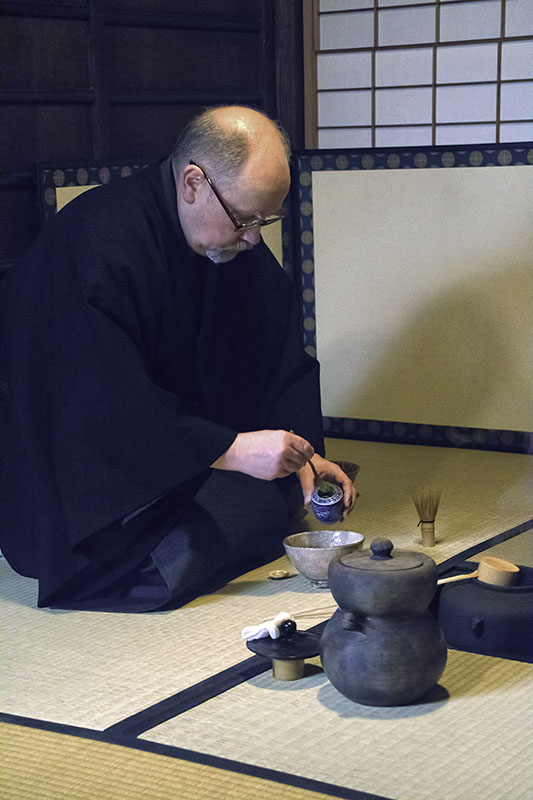 Our first stop today was at the home of a tea master who demonstrated the preparation of tea and explained the tea ceremony which would normally take four hours. Ironically, Michael is not Japanese but Swiss. He became interested in the tea ceremony through martial arts and now lives in Japan and provides lessons in both.
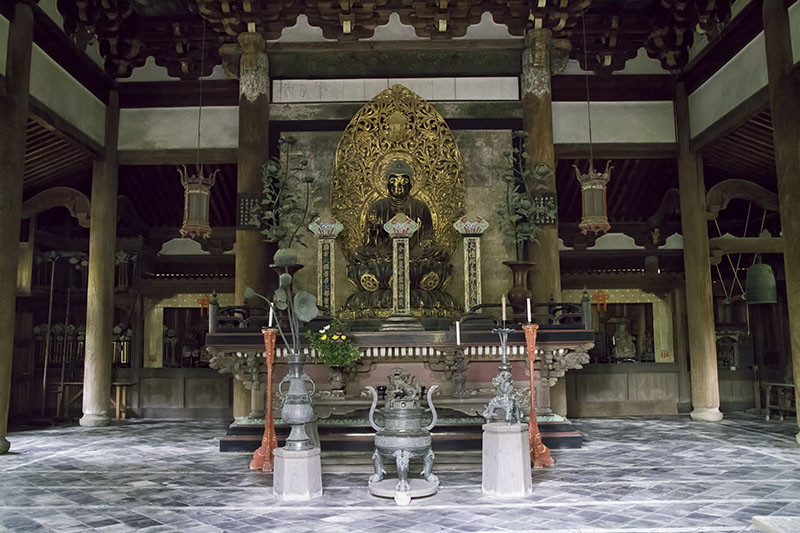 where we learned something about the man who invented the tea ceremony, or at least formalized the ritual, Sen No Rikyu. He is also credited with developing the concept of wabi-sabi, beauty through simplicity, a concept I can definitely get behind. We had an opportunity to view some gardens that Sen had designed. Unfortunately, we were not allowed to take pictures and the post cards they had available did not capture what I would like to have taken pictures of. One interesting thing we were told is that the white rock gardens associated with Zen Buddism came
 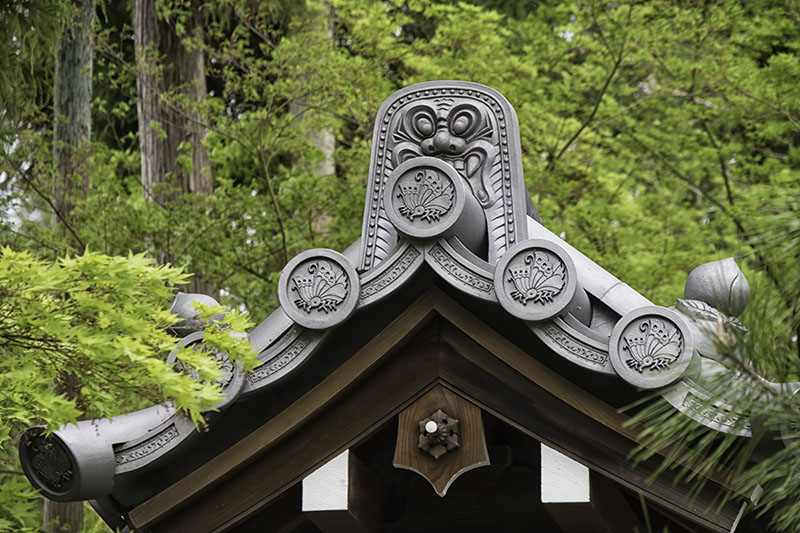 about because there was a big fire in Kyoto back in the 15th century and after all the temples had been rebuilt there was no money left to replace the classic gardens so groomed white rocks were substituted for water.
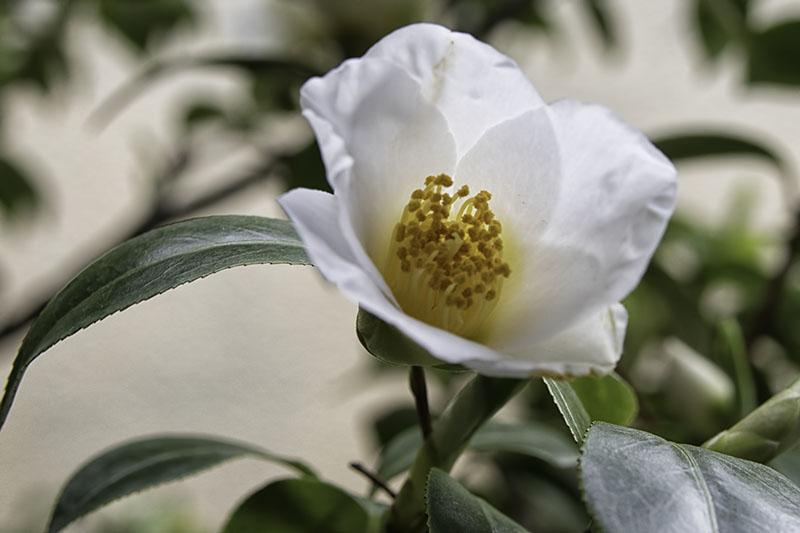 c sort of pottery used for tea bowls which has been produced by the same family for 15 generations. Personally, I could not see what all the fuss was about. But they also had a display of Noh masks which was of more interest to me. But once again, no photographs. I’m beginning to understand that the advantage of cell phones over real cameras is it is easier to cheat in a situation like this. They did, at least, have some nice flowers in their front garden. From there, we caught a cab back to the hotel and are once again on our own for dinner. I am thinking of returning to the Nishiki market to taste some street food and look for souvenirs.
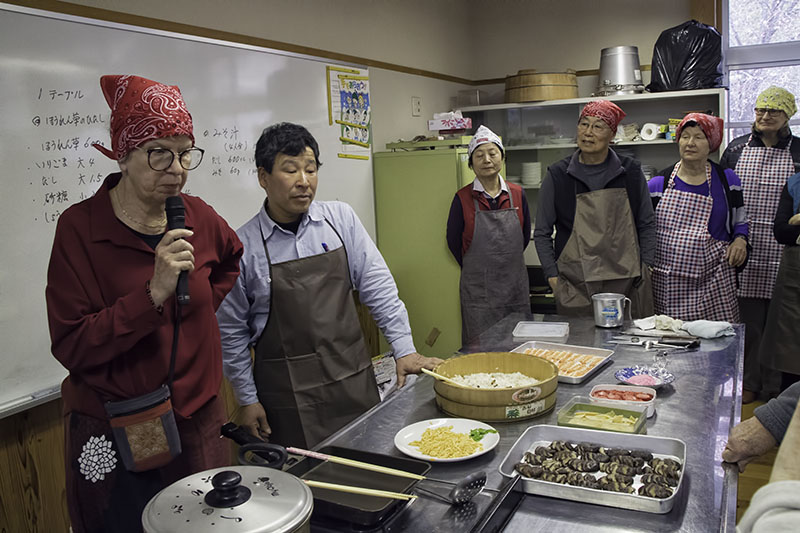 We boarded the bus for the last time this morning and headed into the mountains to a small village called Miyama. Here we were taken to an elementary school which had been closed and was being repurposed as a sort of community center. After seeing some of the classrooms we were taken to the cafeteria where we were handed aprons and bandanas in preparation for a cooking lesson in which we would make our own lunch. The first course was fairly simple, parboiled spinach mixed with ground sesame seeds. Next we did a stir-fry composed of julienned carrots and green peppers and shaved burdock root (don’t ask, it’s supposed to be really good for you and didn’t taste bad). Then we prepared something called Chirashi or
 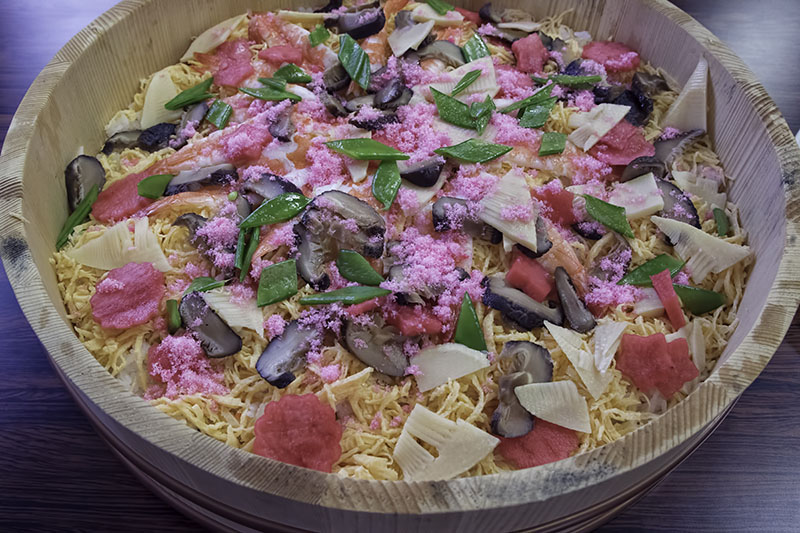 “scattered” sushi which is shown in the picture. It consisted of a vinegar rice base with thinly sliced scrambled eggs, radishes, shrimp, mushrooms, dried bonito flakes (that’s the pink stuff), and snow peas. I think this was also the one where they stirred the baby fish into the rice before-hand. Anyway, it tasted really good. They also demonstrated making miso soup.
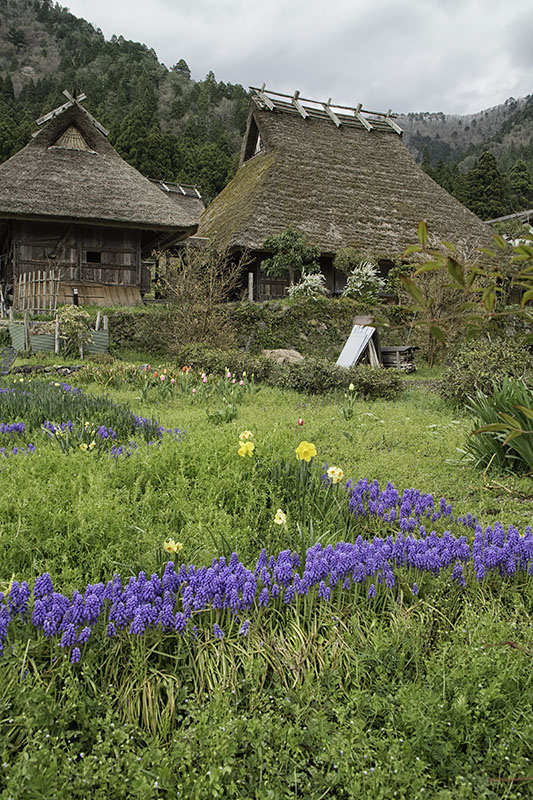 After lunch we went just down the road to tour the village which is one of only a few remaining towns featuring thatched roofs. Our guide was a craftsman who specializes in repairing thatched roofs. Except in special circumstances new houses are not allowed to have thatched roofs but maintaining old ones is encourages by government subsidies. While at the village we had an opportunity for a short visit to an Indigo museum with a demonstration from the artist who owns and operates it.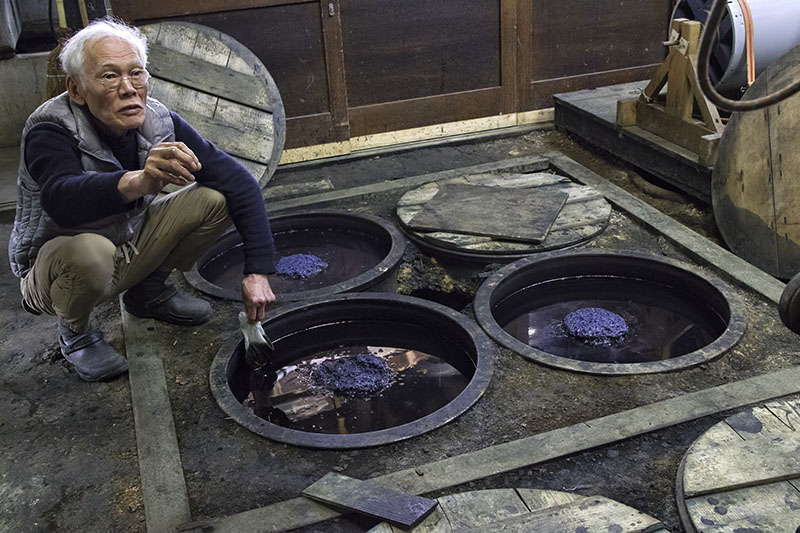
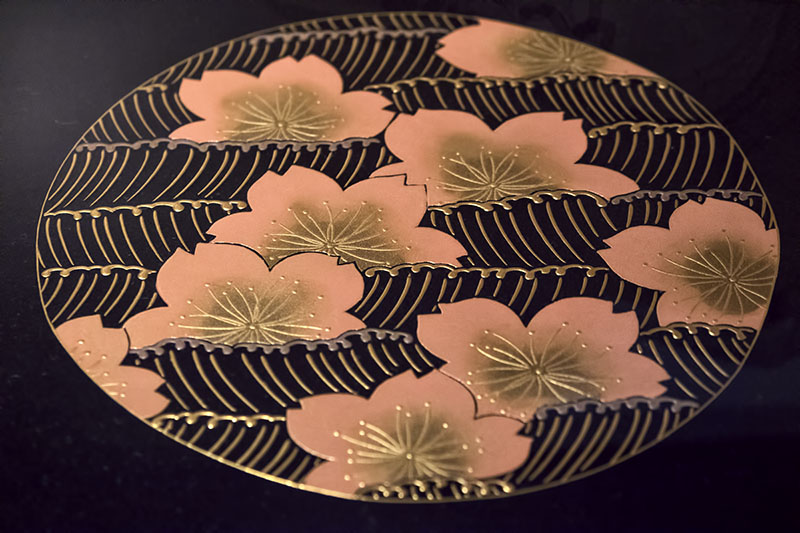 boarding the bus we experienced, all in the space of five minutes, snow, rain, sleet, hail, thunder and lightning. Our guides had to scramble around and find an indoor activity to substitute for our walk through the samurai quarter. Instead we went to the Museum of Folk Art which was interesting enough. I especially liked the highly decorative lacquerware.
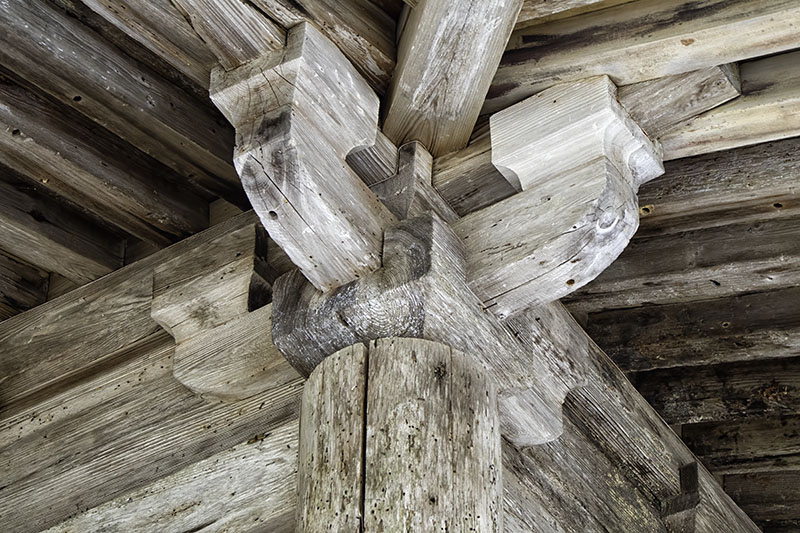 century. We were not allowed to take pictures inside, but the thousand-armed Buddha statue was impressive. What was also fascinating was that the building was built without nails. This closeup shows the detail of how the wood pieces are just fitted together like Lincoln logs.
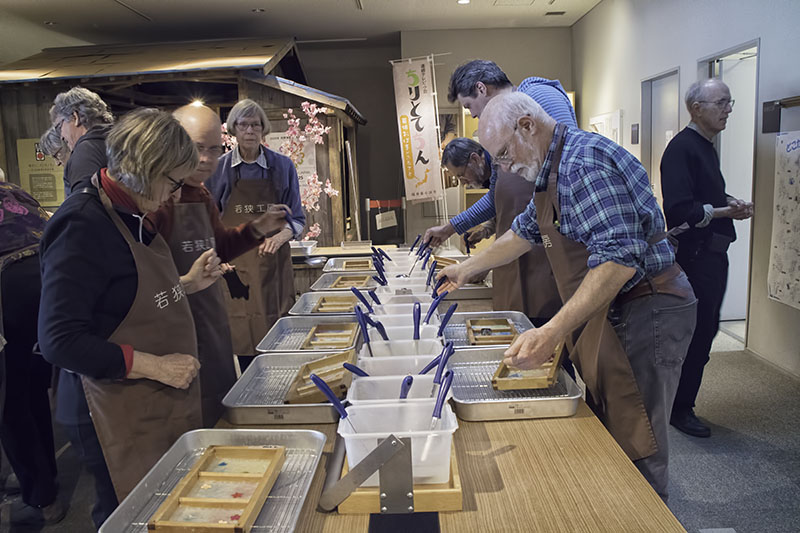 Once in town we dropped our luggage at the hotel, said goodbye to the bus and walked to our next appointment at a food museum. Here we had a craft lesson in making paper and later looked at all the plastic models of Japanese food.