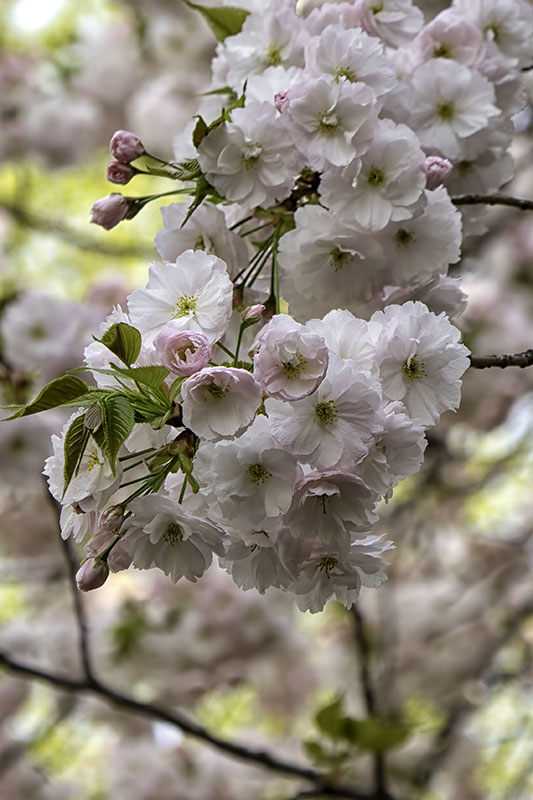
We left Tokyo behind yesterday and headed up to Matsumoto which is at the edge of the mountains and about 2700 feet in elevation. I was surprised to see wild cherry trees blossoming in the foothills as we were leaving the suburbs, but I was not able to get a picture. We only st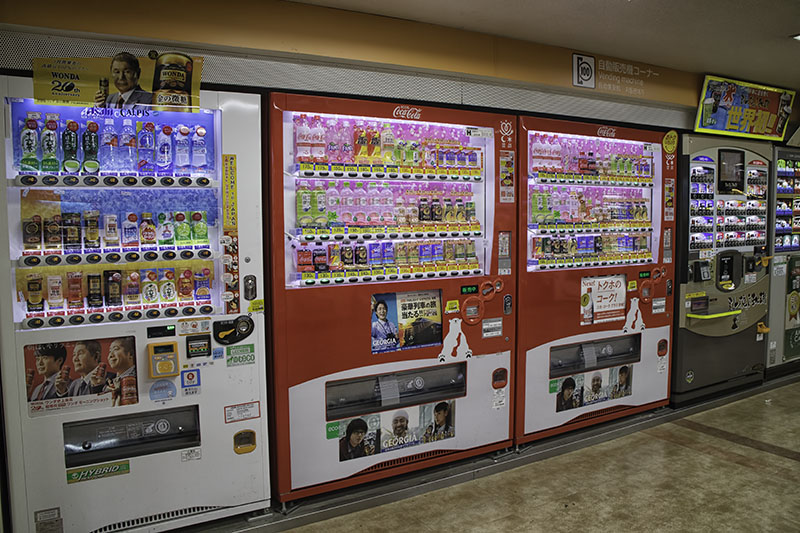 opped twice at highway rest stops. These were fascinating in themselves. Not only did they have banks of vending machines but also little shops selling snacks and souvenirs. One had bakery items worthy of some of the best patisseries I’ve seen.
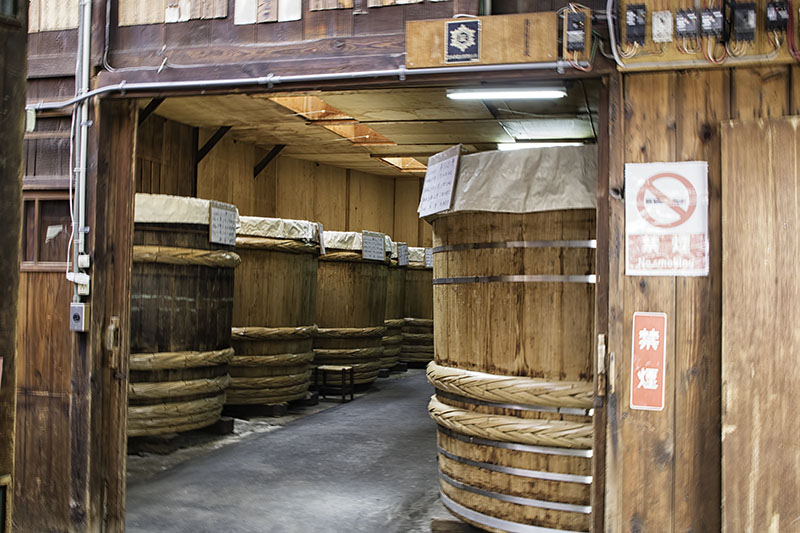 We arrived in Matsumoto around noon and reported to our first stop at a traditional Miso factory where we had a brief talk from the head of the company who is the sixth-generation owner. We were then served a delicious lunch featuring their products. It included a salad with miso dressing, a miso based stew, and miso ice cream, which was very good.
After dropping our lugg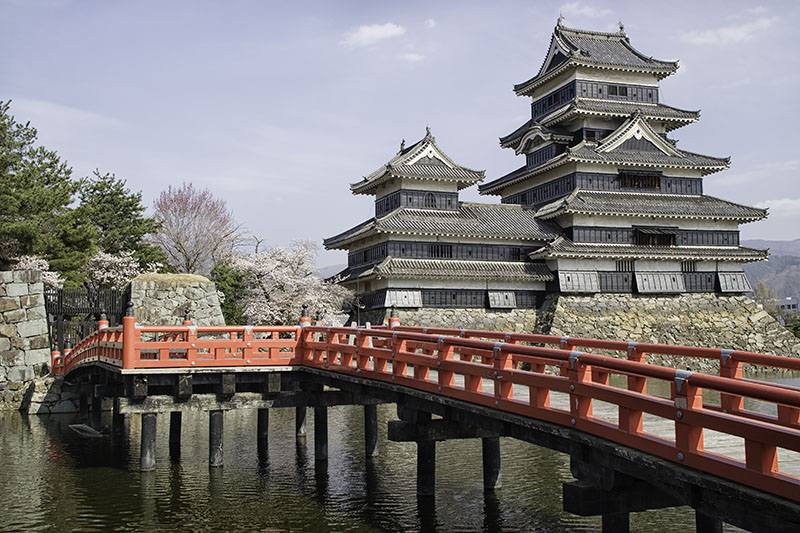 age at the hotel we proceeded to Matsumoto Castle which is listed as a Japanese National Treasure. And rightly so. It was constructed around 1590 but was completely restored in the 20th century. Here in the mountains the cherry blossoms are running a little later than in Tokyo and very close to peak. There will be cherry blossom celebrations tonight and we hope to see the castle again all lit up with traditional music and revelry.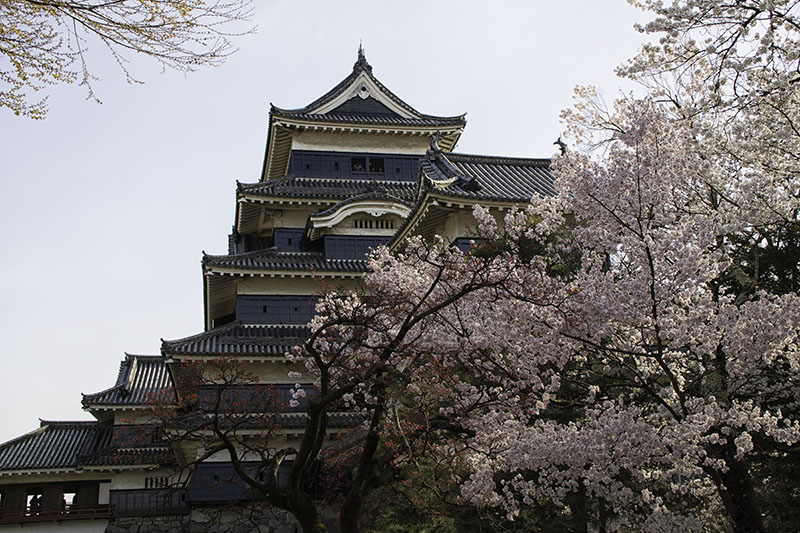
We walked back to the hotel which is only about three blocks from the castle and I look forward to spending more time exploring the shops and side streets during free time after our excursion into the Kiso Valley today.
 At the hotel we had the best meal of the trip so far. It consisted of an appetizer course including seaweed which was much better than it sounds, pickles, salad, and some tasty fish cakes; next course was a savory egg custard dish. Then we had sashimi which was a first for me and I hope not a last because I loved it. Then we had a tempura plate which was kind of like a birds nest of deep fried things all clumped together. Finally, we had a chicken and vegetable soup that cooked in front of us at our table, and of course rice. This was the first time also, that we were served desert which was a tasty cake with some kiwi and pineapple on the side. I may have to start bringing my camera to dinner because the presentations of the food are always exquisite.
Haiku:
Castle Shining bright
Still moat waters surrounding
Reflecting old ways
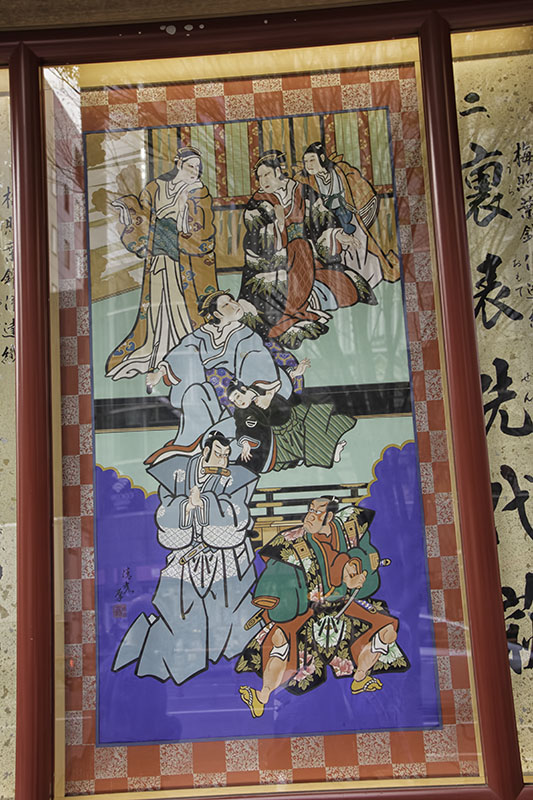 The name derives from Ka meaning song, bu, meaning dance and ki meaning skill or drama. The first Kabuki style plays were developed by a woman but by 1629 women were banned from performing and, unlike western theaters, they have never been allowed back. All the roles in Kabuki are played by men and some actors specialize in performing women’s roles. The white makeup sometimes seen in Kabuki derives from a time when there was no stage lighting, so the faces were painted to make them easier to see.
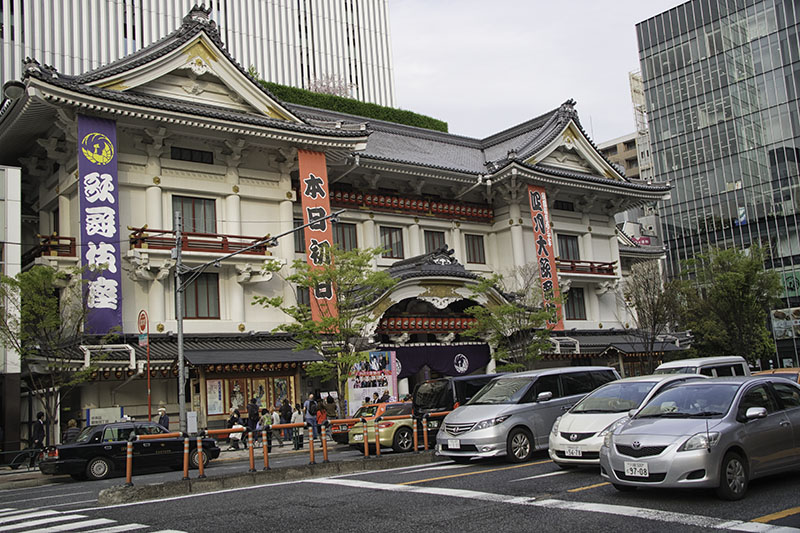 From our lecture we proceeded to the theater with Bento boxes in hand to see the first matinee performance which began a
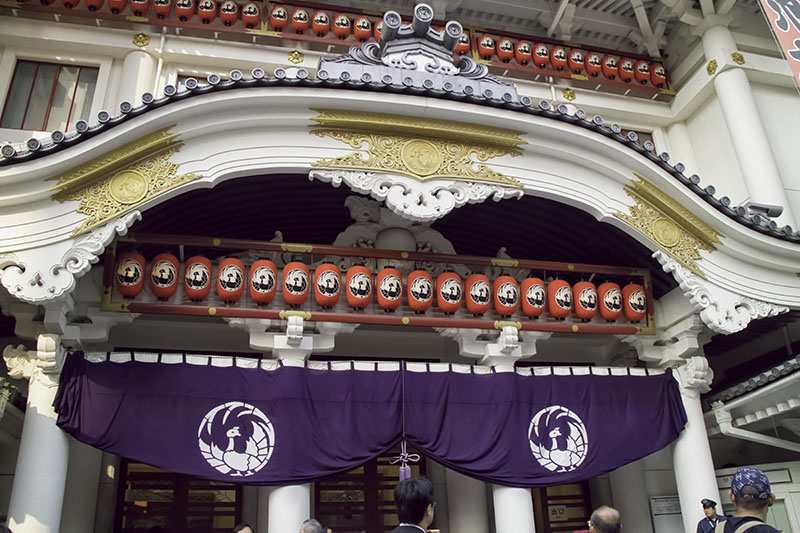 t 11:00am. The Kabuki theater in Tokyo’s Ginza district was rebuilt in 2013 but in the old style. Modern touches such as escalators have been added but the seats are
 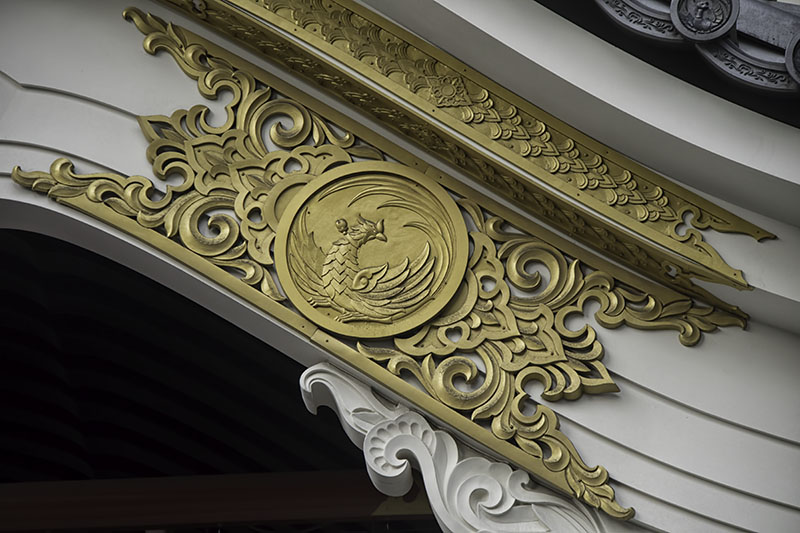 definitely sized for Japanese bottoms. The symbol of the theater is the phoenix and decorative representations are found everywhere.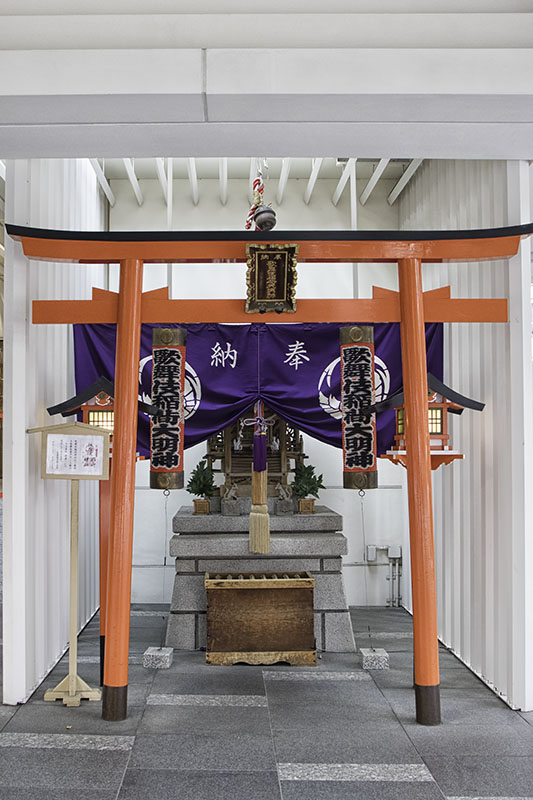
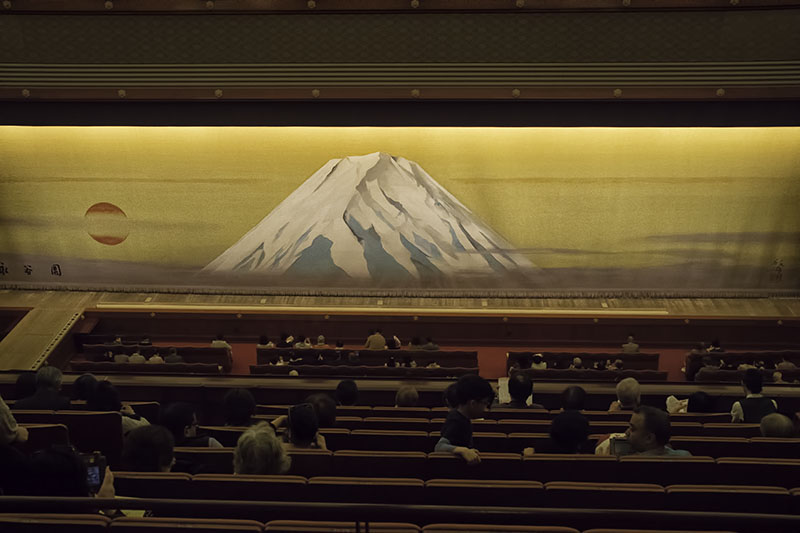 play lasted about an hour and was about negotiations for surrender of the Shoganate in 1868. Although we had a translating device the speeches were longwinded and it was hard to keep up. There was not a lot of action on stage, just actors in samurai costume talking at length.
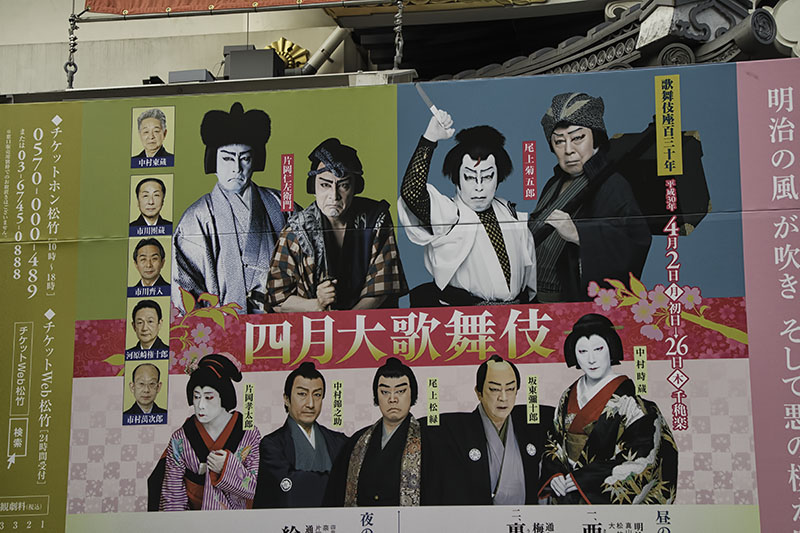 and not too realistic. The second act was most interesting though some of the scenes went on too long. It didn’t help that our translation device only gave a synopsis of the action and not a word for word translation. Still we could follow the story. Not unlike a Shakespearean tragedy, there were a lot of dead bodies by the end of the play, which ended about 4pm with two additional intermissions.
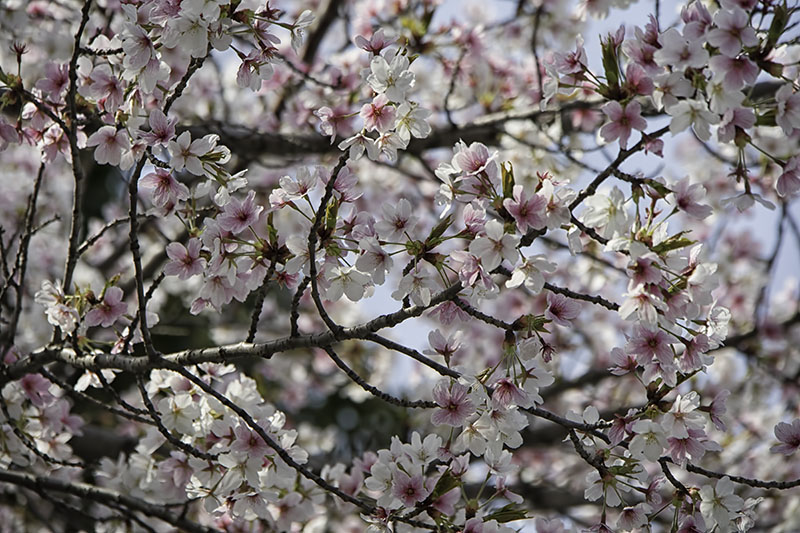 y blow account of what we did but to concentrate on the theme of the day which was without question Cherry Blossoms.
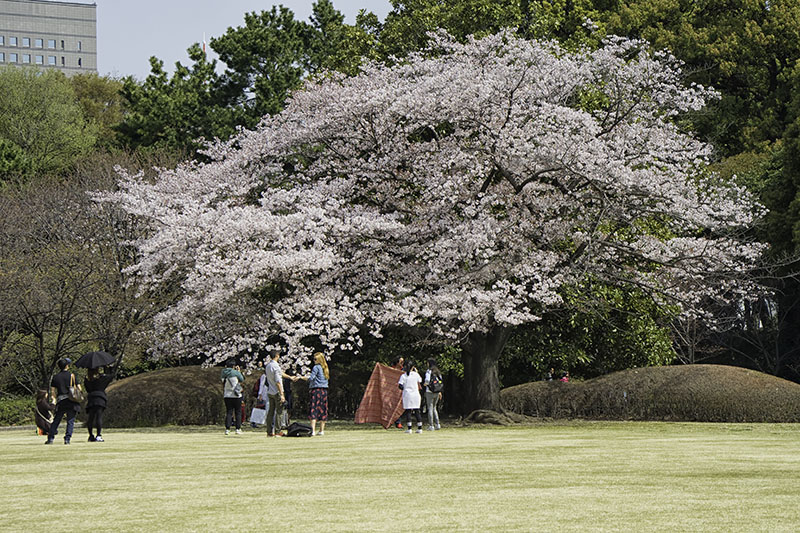
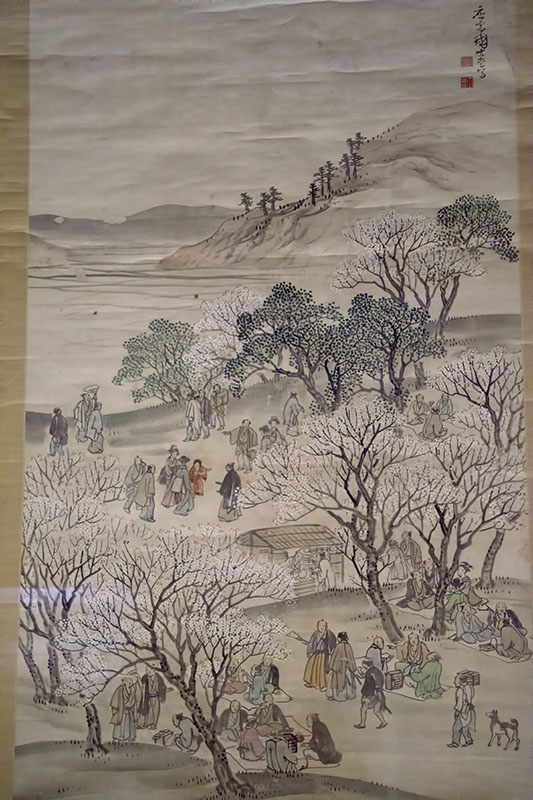
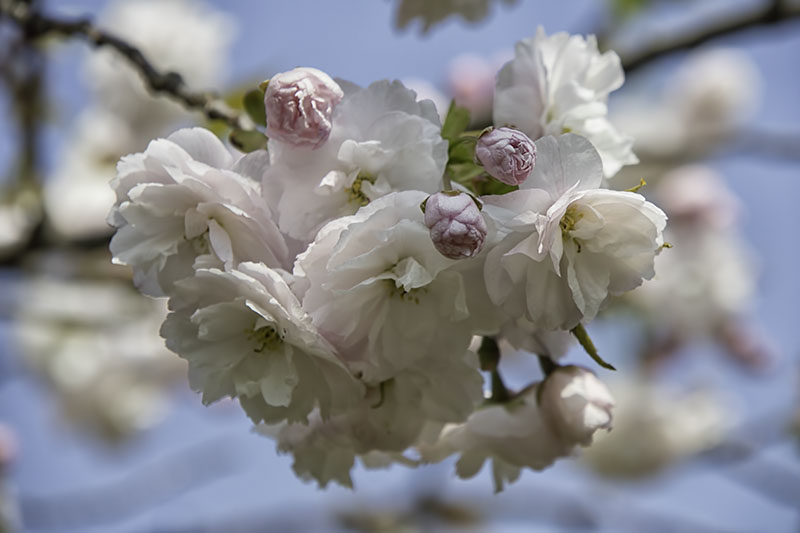 What I found interesting was how obsessed these people are with the flowering of trees. We all enjoy the spring blossoms at home, but these people have Cherry Blossom viewing parties. And, it being Sunday, yesterday, the viewing was in full swing, despite the best blossoms having past peak. Apparently, the snowy effect of the falling blossoms is also appreciated. Our
 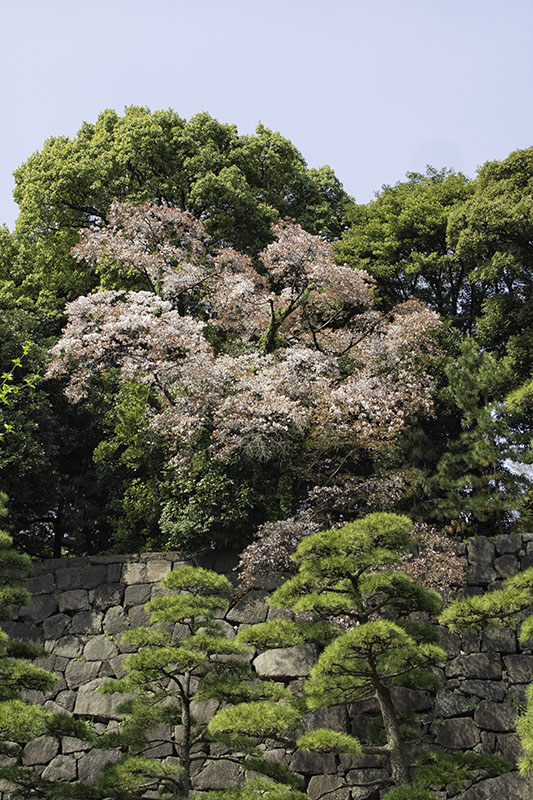 guides were quite concerned about finding us trees to view in their full glory.
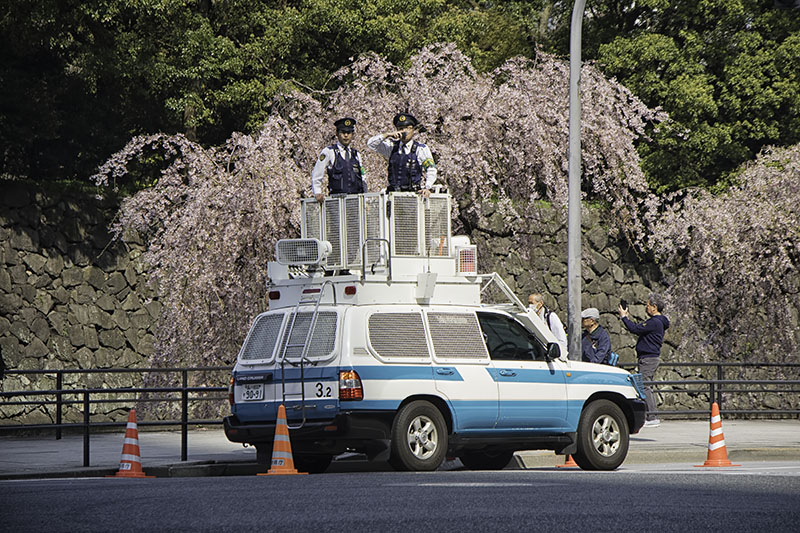 rebuilt palace.
 e were lining up in mass to go in. These police officers were directing people where to go.
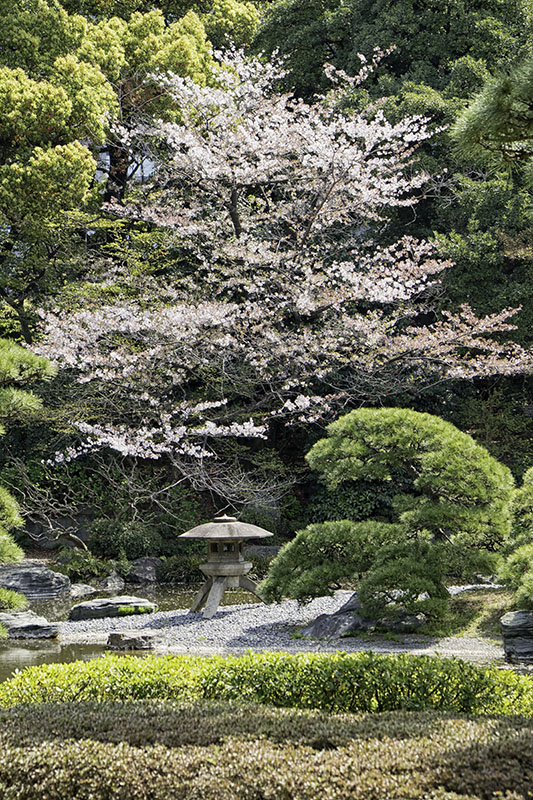 There we saw plenty of blossoming trees as well as people setting up for their viewing parties under the blossoming trees. We also had a chance to see the traditionally landscaped gardens.
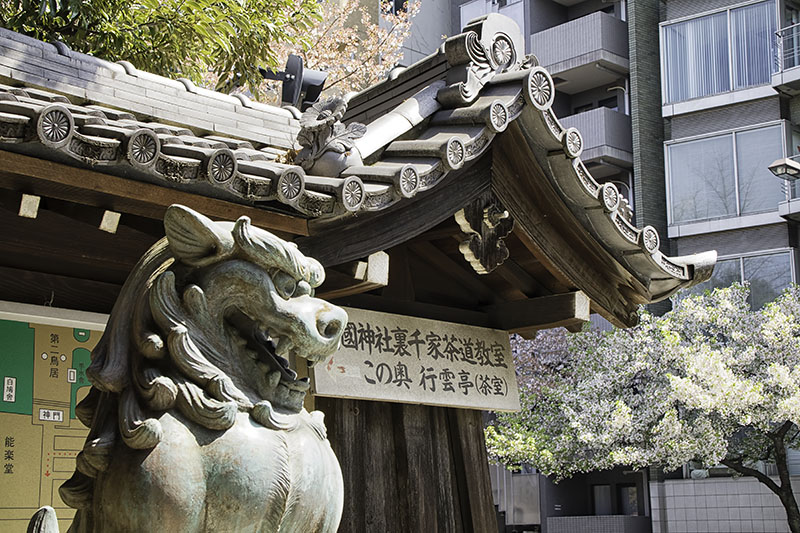 nately, I couldn’t get any cherry blossoms into the picture, so it will have to be seen at another time. It
 shington (D.C.) mall on forth of July waiting for the fireworks to begin.