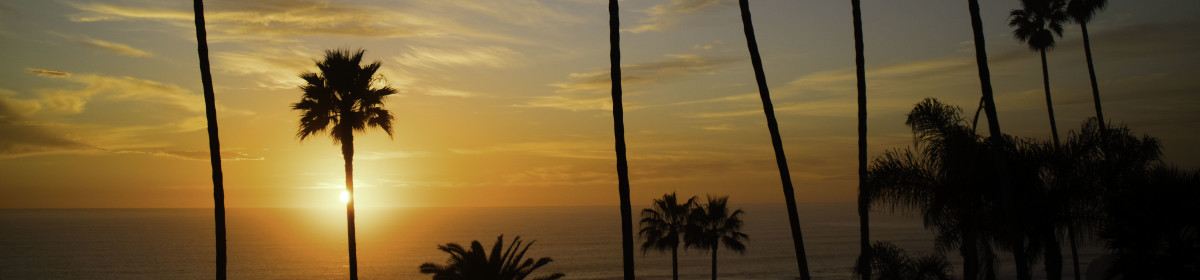
We had been pretty lucky with the weather up to this point, but the rain set in this morning and only got worse through the day. At least we started indoors at the Takayama Jinya, a government building dati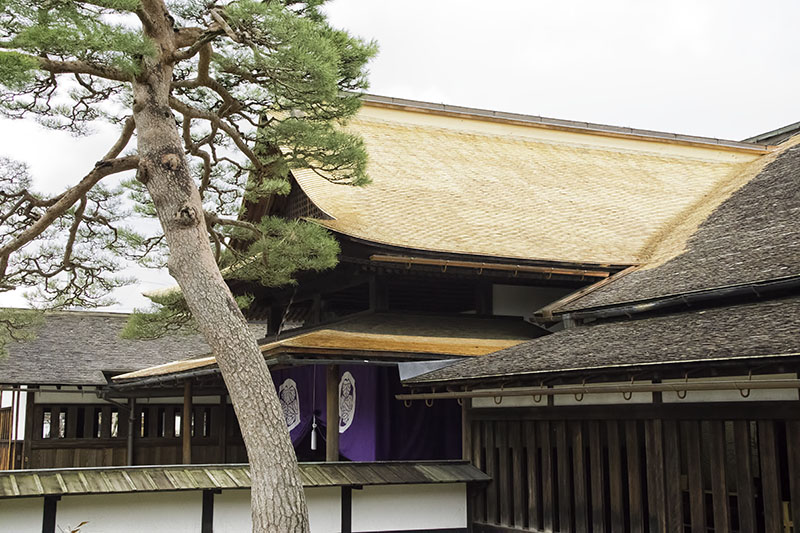 ng to the early Edo period when the Tokugawa Shogunate took direct control of the area for its timber resources. The building continued as something equivalent to a county courthouse until 1969. In the early days it also served as a residence for the head man and his wife and servants.
Just outside the Jinya is a morning market which we had a little time to e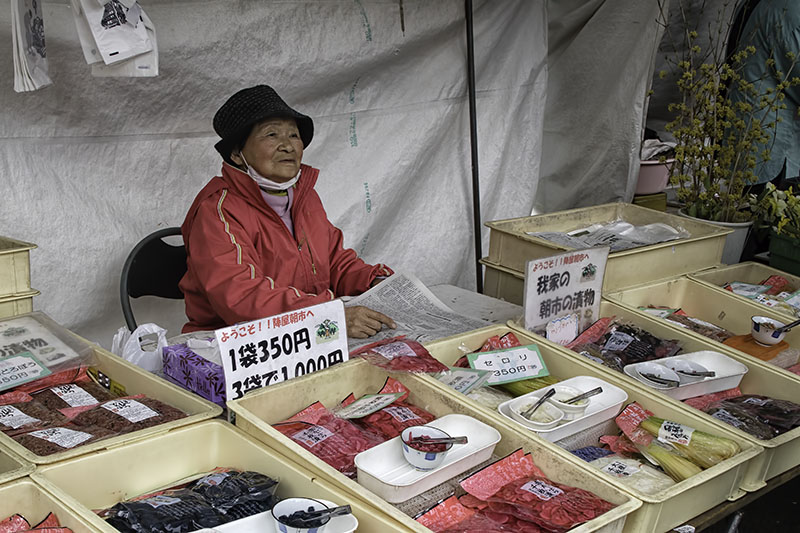 xplore. In addition to fruits and vegetable there were a few crafts and lots of pickles to buy.
Next, we proceeded to walk across the red bridge to the historic district where we spent some time strolling a street filled with shops and restaurants, not unlike a touristy town back home. Think Jacksonville. Although we had been promised sake tasting, it seems that the sake breweries have all moved out of the area. There were still a few sake shops as evidenced by the containers seen below, on display in front of several shops. Our lunch spot by contrast was a very modern restaurant upstairs in a furniture store, offering western style food with an Italian flair. We were presented with a lovely plate of fish and grilled vegetables and had access to a salad bar with additional side dishes and desert.
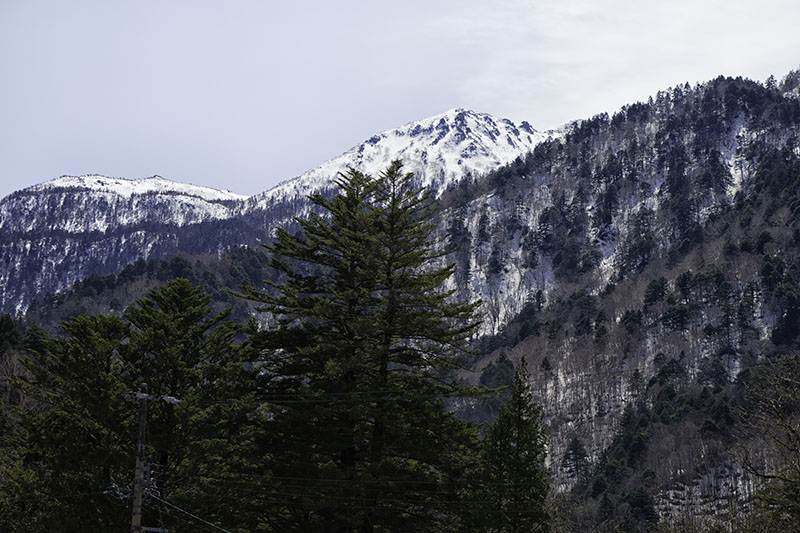
Strolling back up the street the umbrellas came out in earnest and we 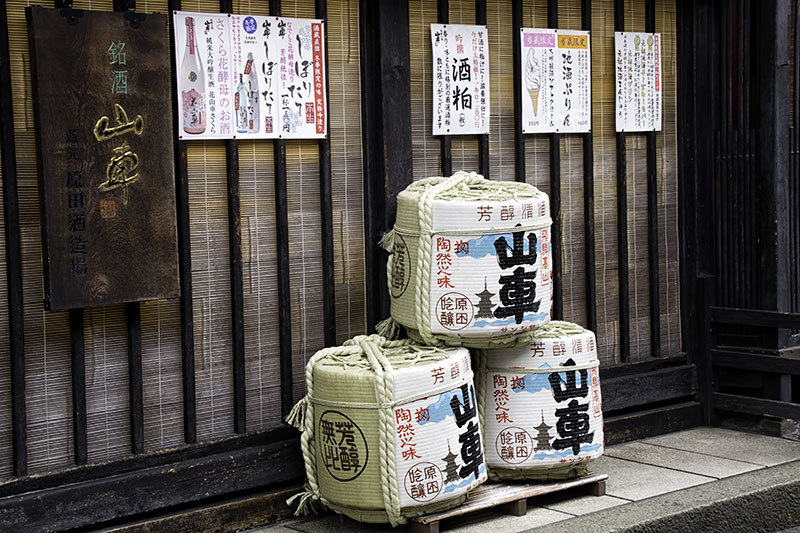 gathered back up under an awning outside a museum before heading to the bus to settle in for our two-hour trip to Kanazawa. The drive consisted of a few breathtaking glimpses of mountain scenery in between tunnels. One of the tunnels was among the longest in the country at 11km. I was starting to get a bit claustrophobic, not to mention asphyxiated by the time we emerged from that one.
Once in Kanazawa we stopped at one of several historic Teahouse districts. Again, the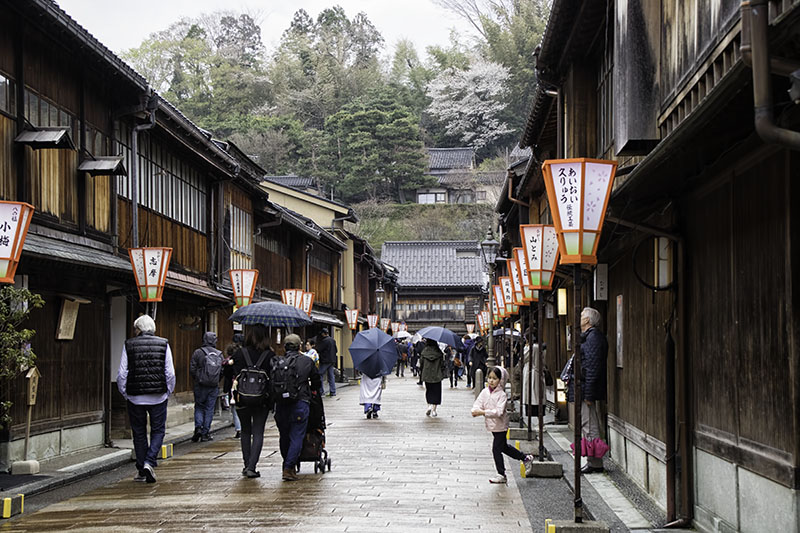 area has become a tourist destination of shops and cafes though we did hear some shamisen music echoing the past. And again, dodging the umbrellas of our fellow travelers was the name of the game, not to mention the taxis and police cars. We did see a few women dressed in kimonos but our guide assured us they were just playing tourist and probably not even Japanese, let alone geisha.
Back on the bus for a short ride to our hotel. A most impressive Crowne Plaza with a waterfall in the lobby, located next to the train station which I look forward to exploring during our free time.
Now that I’m about recovered from jet lag, I realized that I have been neglecting my daily haiku. So, during free time yesterday I went back and made some up for the days I missed and appended them to the blogs so you might want to scroll back and take a look if you like haiku.
Here is the one for this day:
Umbrellas open
Deflecting the falling rain
Blossoms emerging.
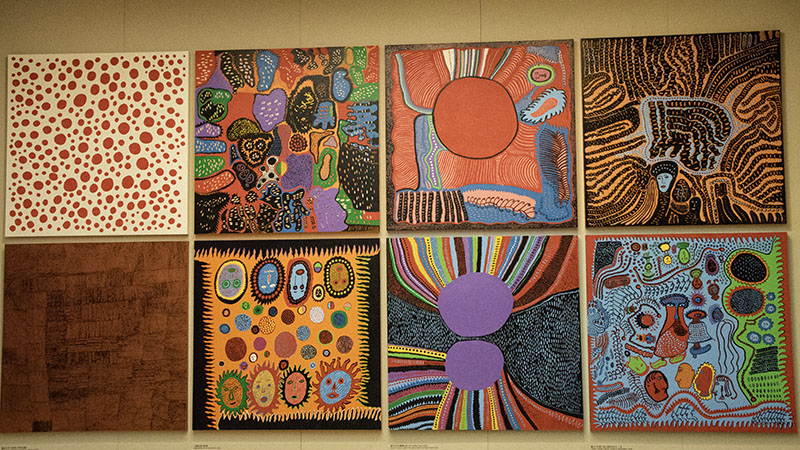 moto in the 1970s. Here she checked herself into a mental hospital where she still lives but continues to work in a studio near by at the age of 89. Her work is a bit too avant-garde for my taste but it was interesting to see the exhibit. In addition to the paintings she does a lot of interesting things with mirrors creating an infinity effe
 ct.
ct.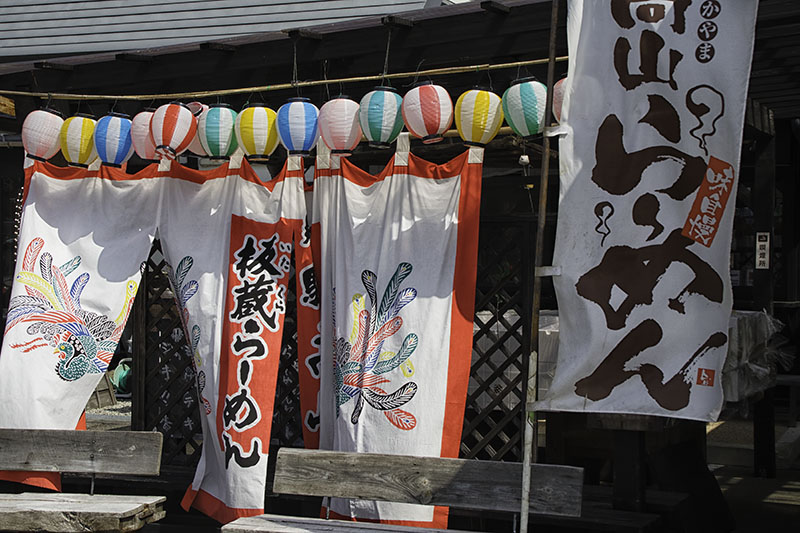 were served a large bowl of ramen noodles with some chicken, bamboo shoots, black mushrooms and green onions. There were a lot of fun signs and decorations around the place, so I got to take a few photos before getting back on the bus.
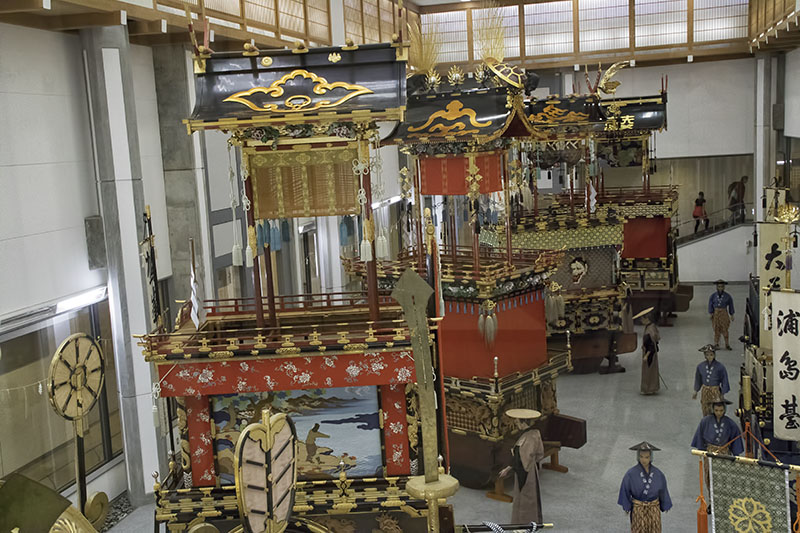 f the shrines some of the floats deliver spirits to. And, since it was a lovely day we took a walk through one of the old neighborhoods. A preview of coming attractions tomorrow when there is a threat of rain.
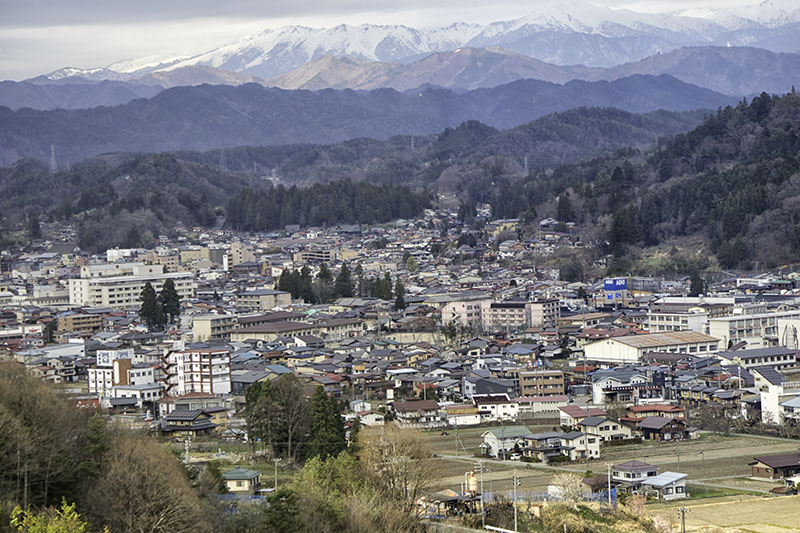 of town that boasts a phenomenal view. Dinner was another multicourse affair at the hotel. We started with a salad as usual. Then we had small pieces of Waygu beef that we cooked on a little grill in front of us. Next was a beef hotpot also cooked at the table. Then we had tempura, one shrimp and some vegetables. The last course was a sushi plate with a variety of fish over rice. And for desert a few small pieces of fruit. Once again, I was kicking myself for not having brought my camera to dinner.
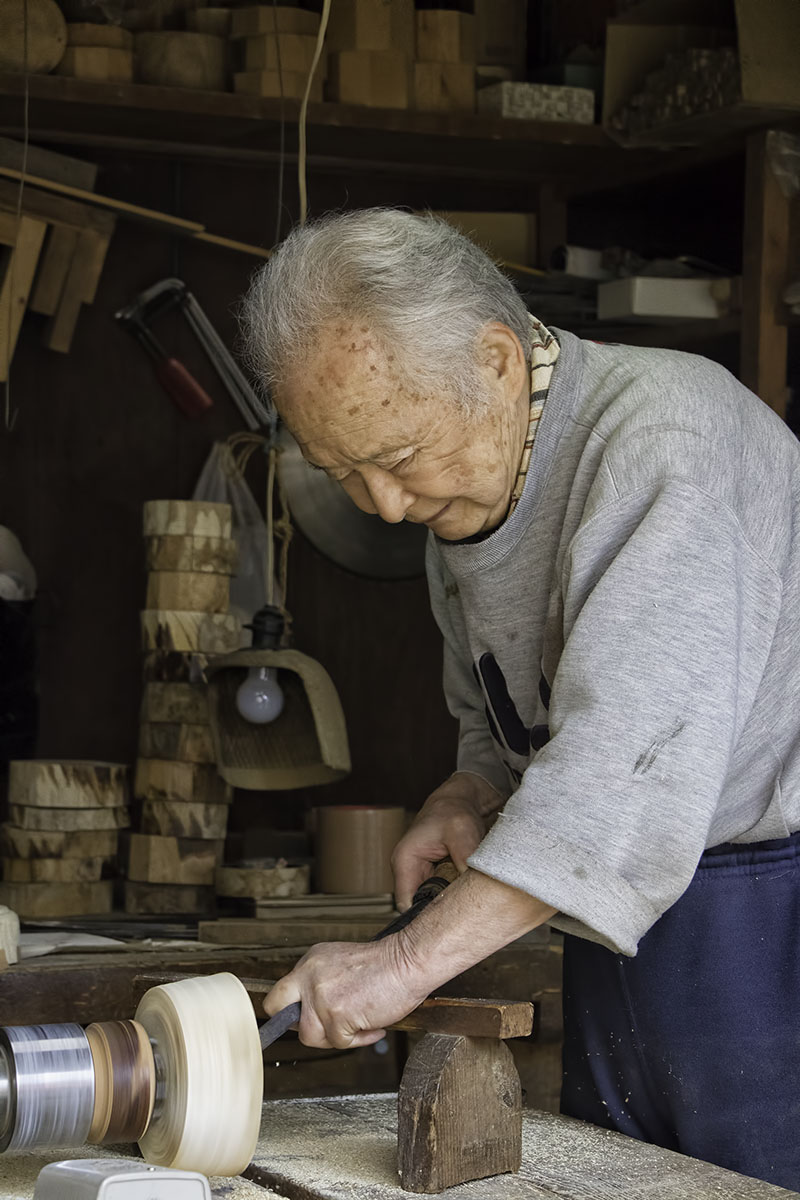 ur first stop was at the home of a lacquerware craftsman. The group divided into two with one seeing the house and gardens from the wife and the other getting a chance to see the craftsman at work.
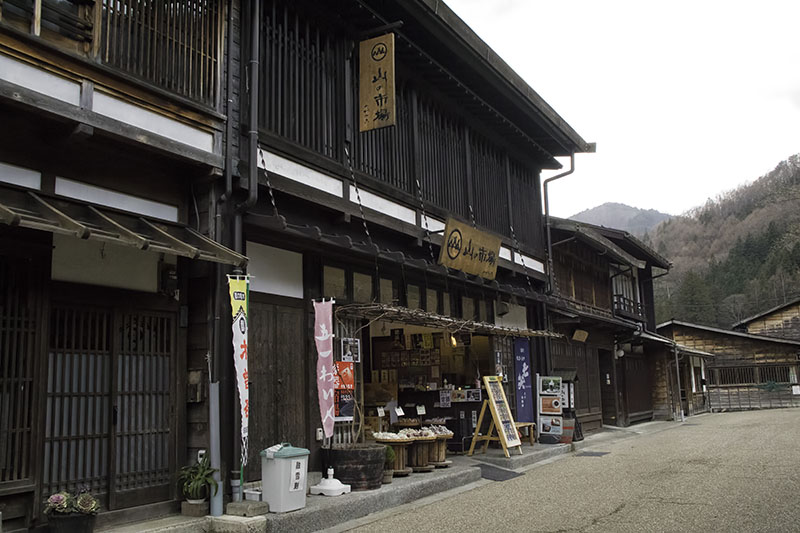 route for hikers and backpackers to explore today. We visited the local shrine then walked through the town which I found to be a photographer’s paradise.
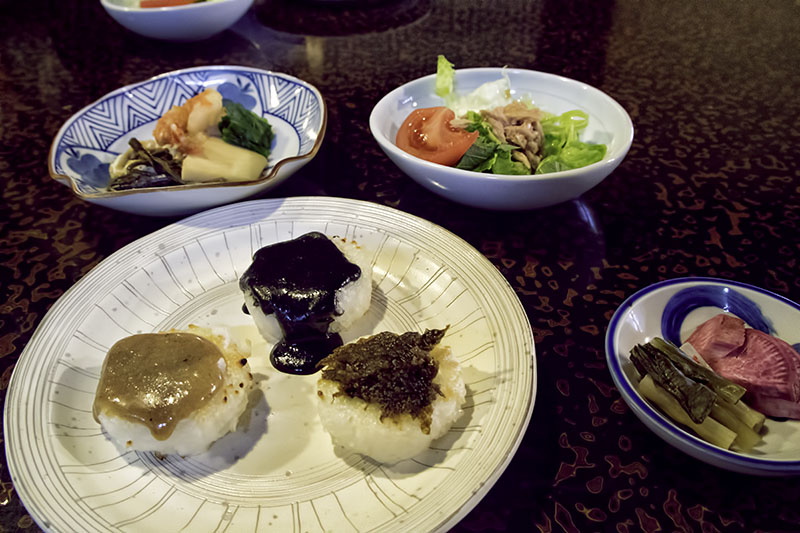 look. These dishes were followed up by deep fried tofu with a spicy miso sauce and a bowl of Soba (buckwheat) noodles in broth, a specialty of the region. For desert we were presented with a small bowl with three fresh strawberries. We then had about an hour to explore the town and shops. I would have liked to buy some lacquerware but I couldn’t think what I would do with it and the black and red colors would not go well in my earth-tone house. I did find a wooden rice paddle that I thought might work well in one of my food photography sessions.
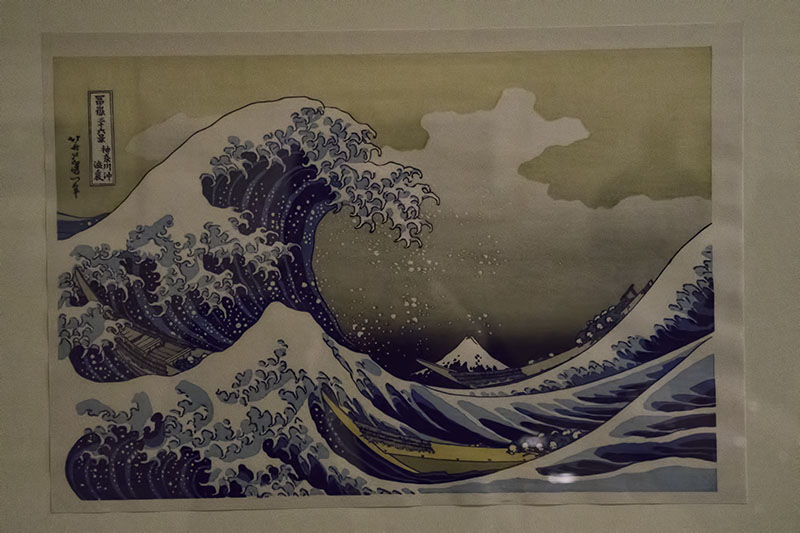 Back on the bus we rode for an hour back to the outskirts of Matsumoto where we stopped at a wood block museum. I was pretty tired by then and could not do it justice but I bought a set of postcards that I can study at leisure when I get home.
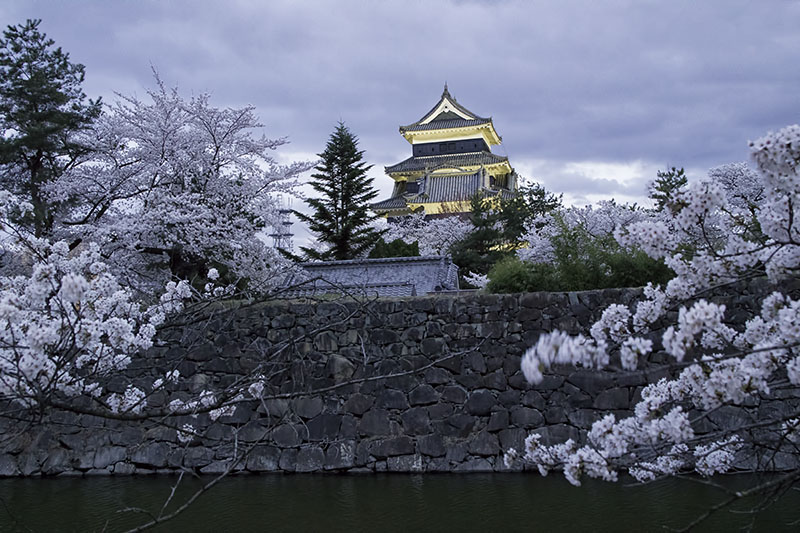 castle and cherry blossoms all lit up at night. It was worth the trip. We were on our own for dinner and I did not feel adventurous enough to go to a restaurant on my own and the hotel was far too expensive (like $80 for a meal), so I explored the snacks in the vending machine instead. They even have vending machines with beer in the hotel so it wasn’t such a bad evening in, especially after that sumptuous lunch, though I have to say I’m not entirely sure what I was eating.
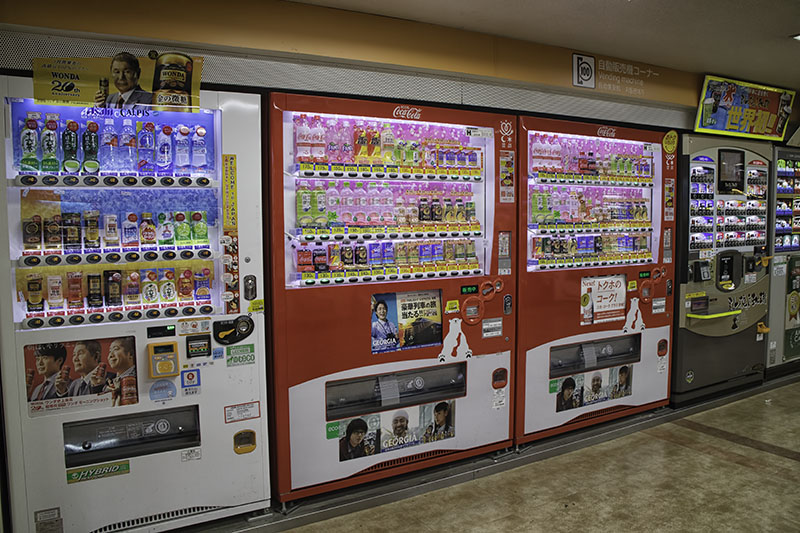 opped twice at highway rest stops. These were fascinating in themselves. Not only did they have banks of vending machines but also little shops selling snacks and souvenirs. One had bakery items worthy of some of the best patisseries I’ve seen.
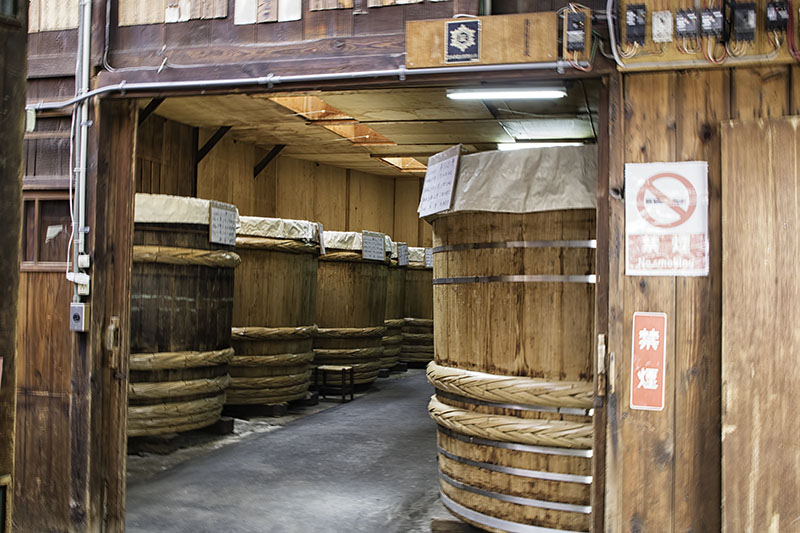 We arrived in Matsumoto around noon and reported to our first stop at a traditional Miso factory where we had a brief talk from the head of the company who is the sixth-generation owner. We were then served a delicious lunch featuring their products. It included a salad with miso dressing, a miso based stew, and miso ice cream, which was very good.
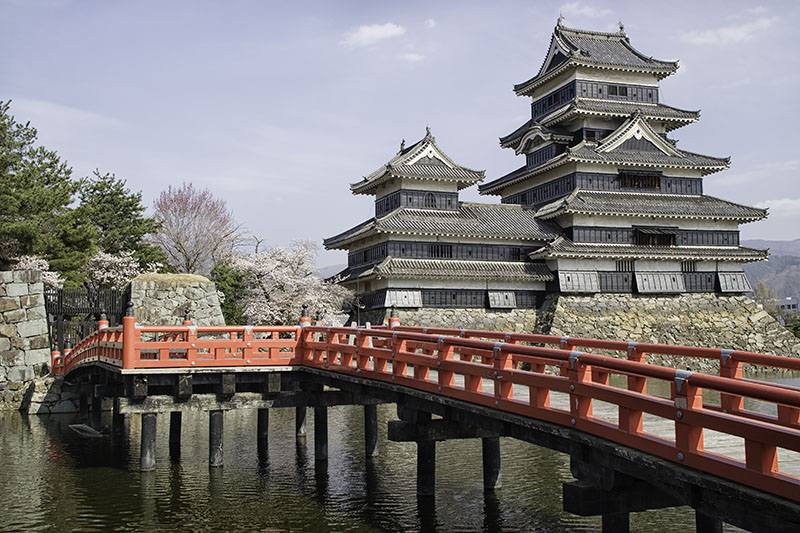 age at the hotel we proceeded to Matsumoto Castle which is listed as a Japanese National Treasure. And rightly so. It was constructed around 1590 but was completely restored in the 20th century. Here in the mountains the cherry blossoms are running a little later than in Tokyo and very close to peak. There will be cherry blossom celebrations tonight and we hope to see the castle again all lit up with traditional music and revelry.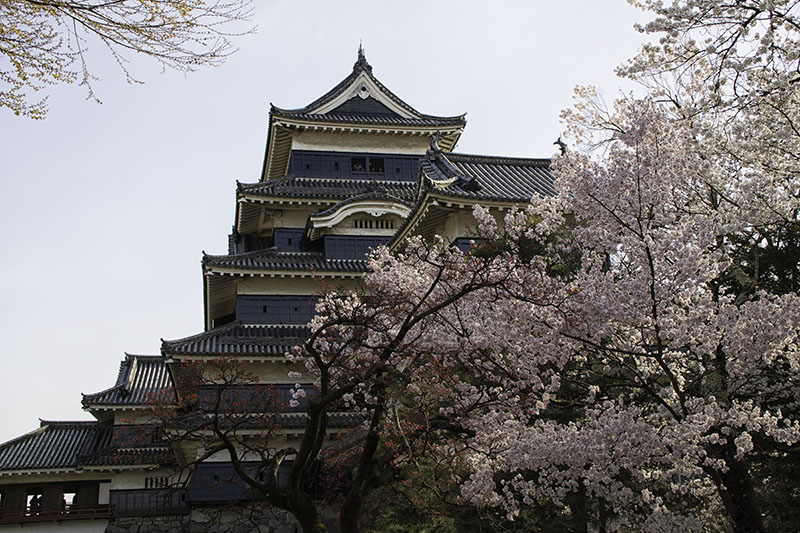
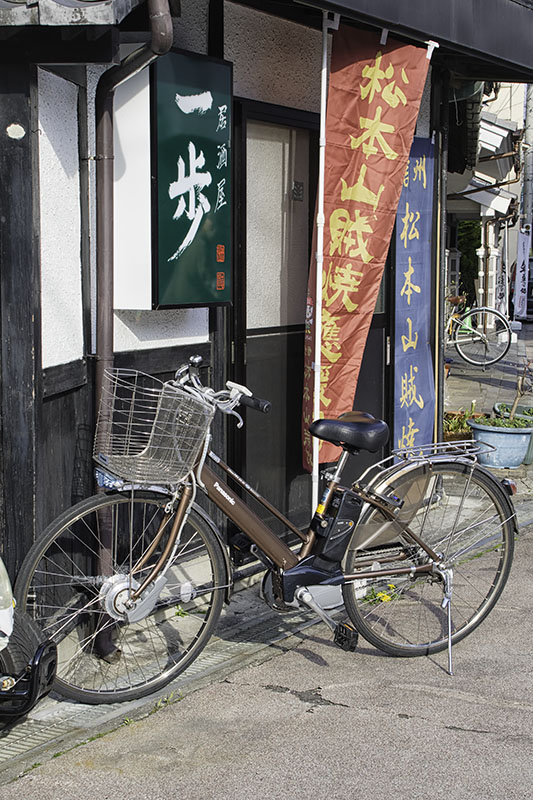 At the hotel we had the best meal of the trip so far. It consisted of an appetizer course including seaweed which was much better than it sounds, pickles, salad, and some tasty fish cakes; next course was a savory egg custard dish. Then we had sashimi which was a first for me and I hope not a last because I loved it. Then we had a tempura plate which was kind of like a birds nest of deep fried things all clumped together. Finally, we had a chicken and vegetable soup that cooked in front of us at our table, and of course rice. This was the first time also, that we were served desert which was a tasty cake with some kiwi and pineapple on the side. I may have to start bringing my camera to dinner because the presentations of the food are always exquisite.
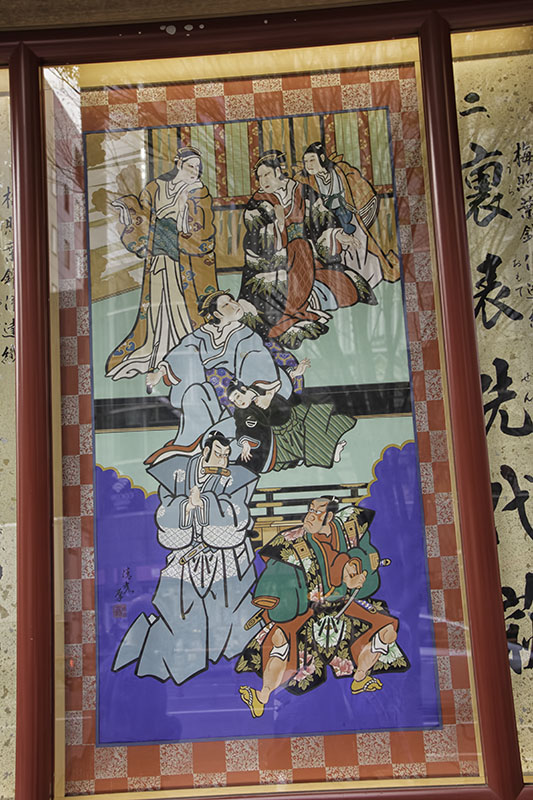 The name derives from Ka meaning song, bu, meaning dance and ki meaning skill or drama. The first Kabuki style plays were developed by a woman but by 1629 women were banned from performing and, unlike western theaters, they have never been allowed back. All the roles in Kabuki are played by men and some actors specialize in performing women’s roles. The white makeup sometimes seen in Kabuki derives from a time when there was no stage lighting, so the faces were painted to make them easier to see.
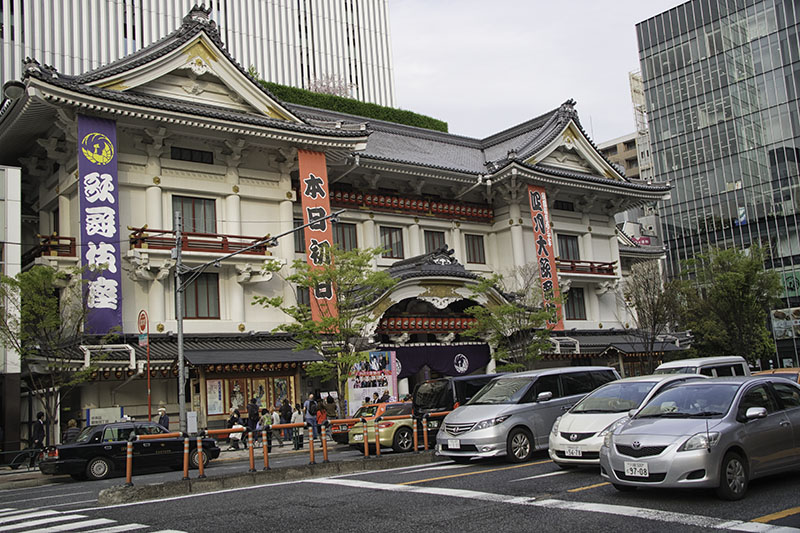 From our lecture we proceeded to the theater with Bento boxes in hand to see the first matinee performance which began a
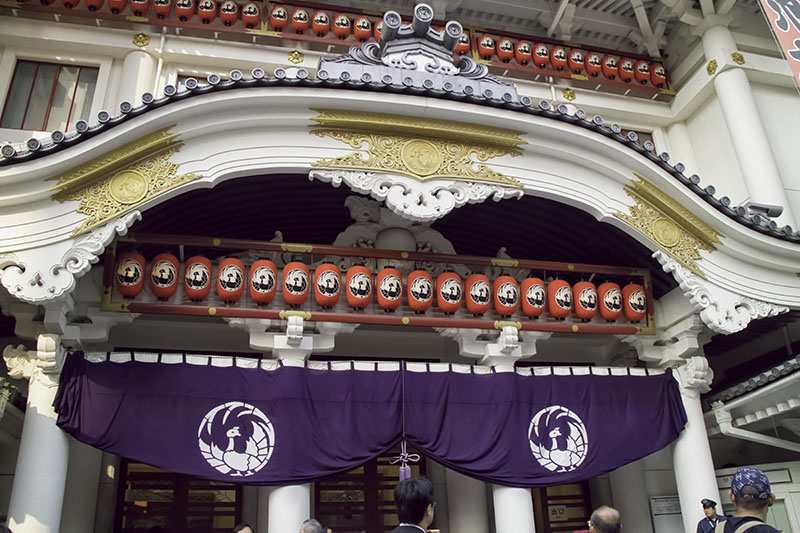 t 11:00am. The Kabuki theater in Tokyo’s Ginza district was rebuilt in 2013 but in the old style. Modern touches such as escalators have been added but the seats are
 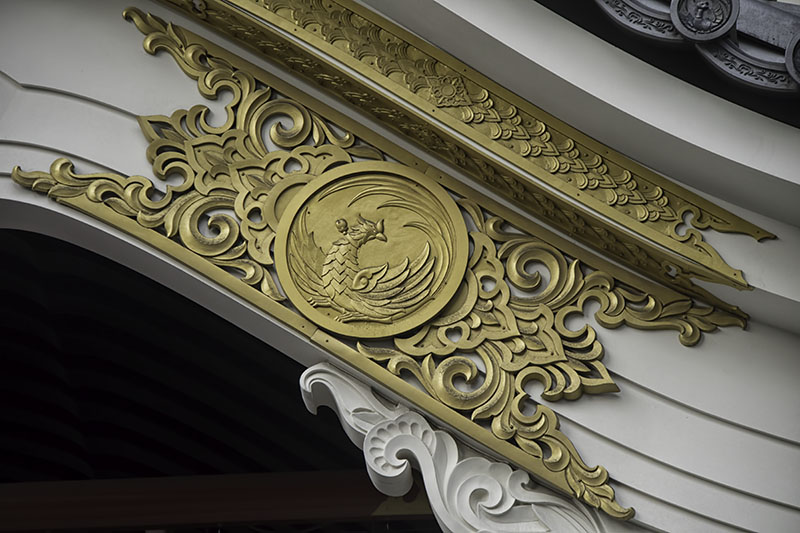 definitely sized for Japanese bottoms. The symbol of the theater is the phoenix and decorative representations are found everywhere.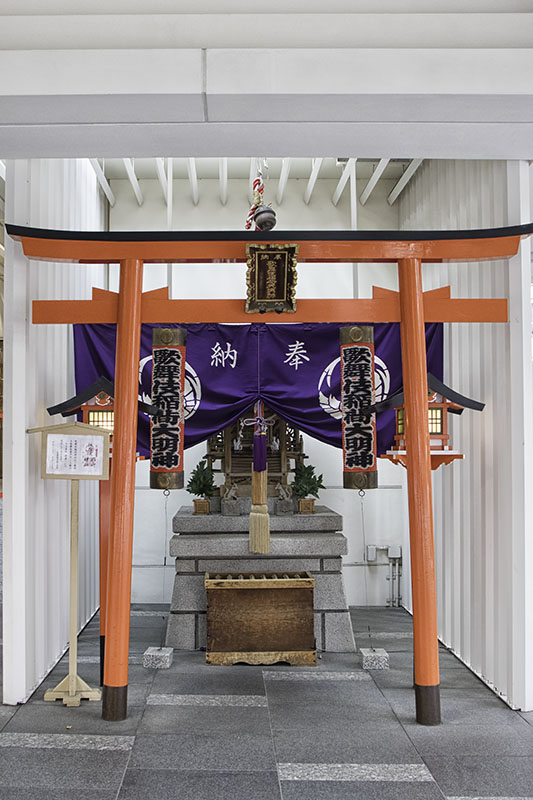
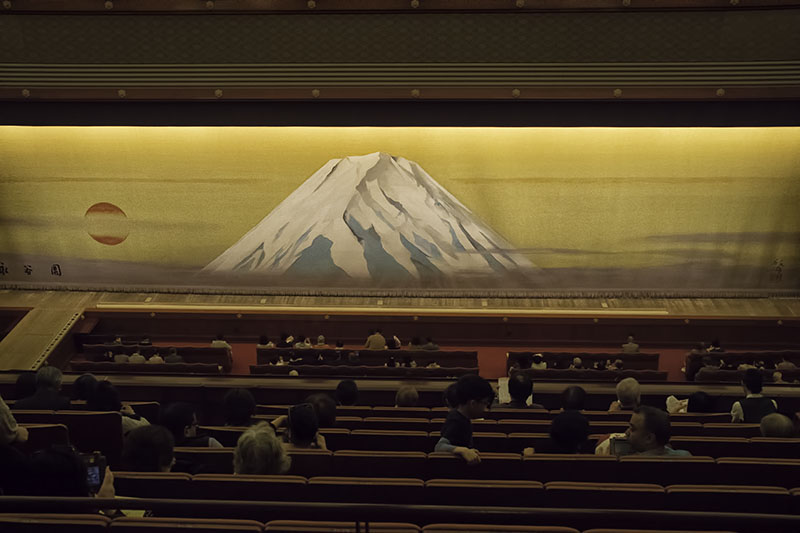 play lasted about an hour and was about negotiations for surrender of the Shoganate in 1868. Although we had a translating device the speeches were longwinded and it was hard to keep up. There was not a lot of action on stage, just actors in samurai costume talking at length.
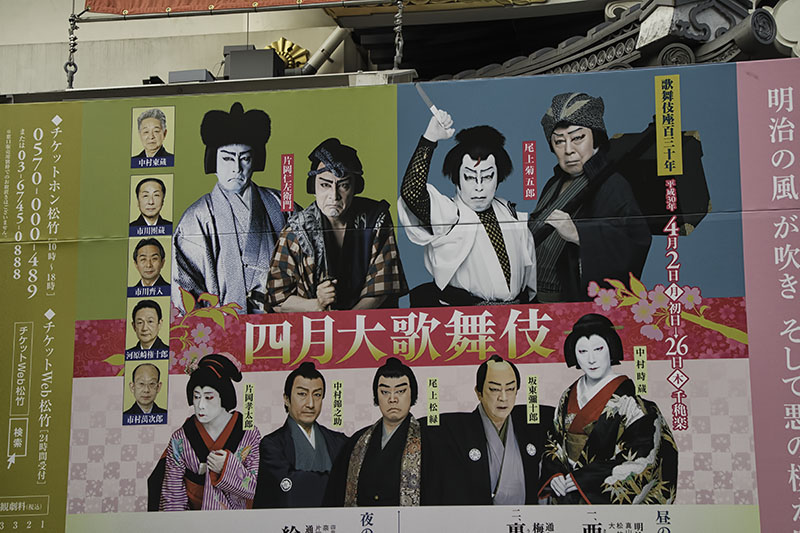 and not too realistic. The second act was most interesting though some of the scenes went on too long. It didn’t help that our translation device only gave a synopsis of the action and not a word for word translation. Still we could follow the story. Not unlike a Shakespearean tragedy, there were a lot of dead bodies by the end of the play, which ended about 4pm with two additional intermissions.
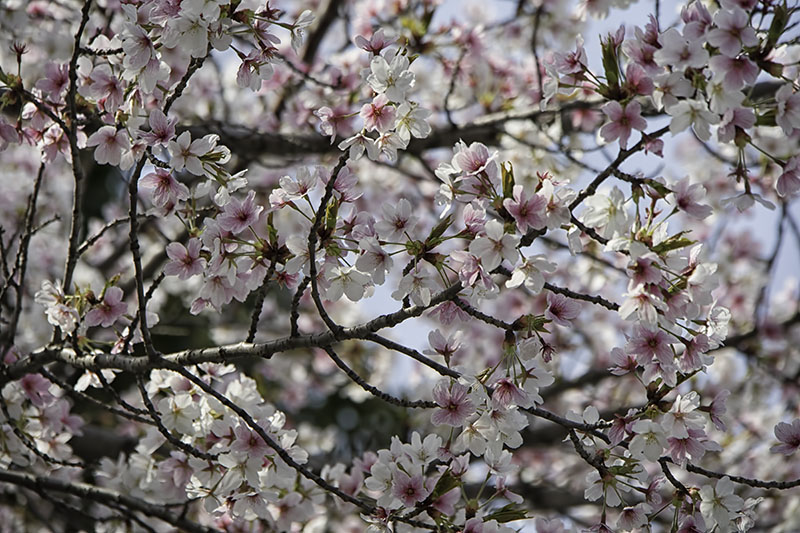 y blow account of what we did but to concentrate on the theme of the day which was without question Cherry Blossoms.
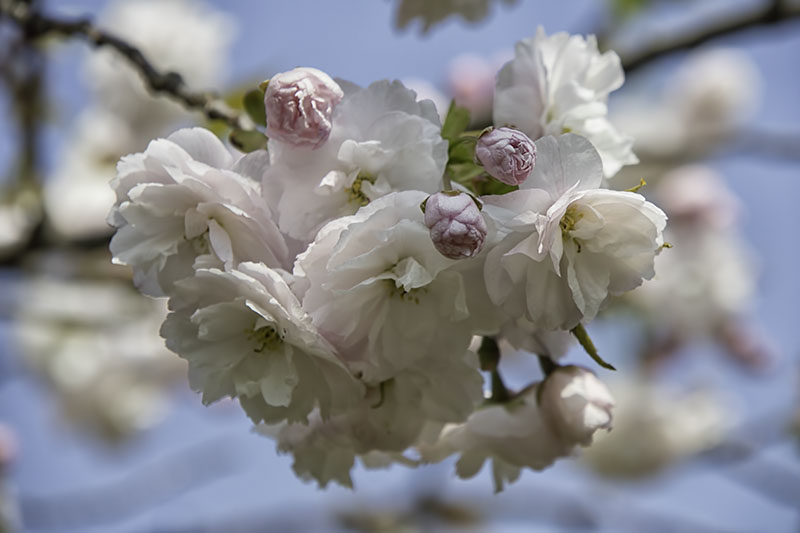 What I found interesting was how obsessed these people are with the flowering of trees. We all enjoy the spring blossoms at home, but these people have Cherry Blossom viewing parties. And, it being Sunday, yesterday, the viewing was in full swing, despite the best blossoms having past peak. Apparently, the snowy effect of the falling blossoms is also appreciated. Our
 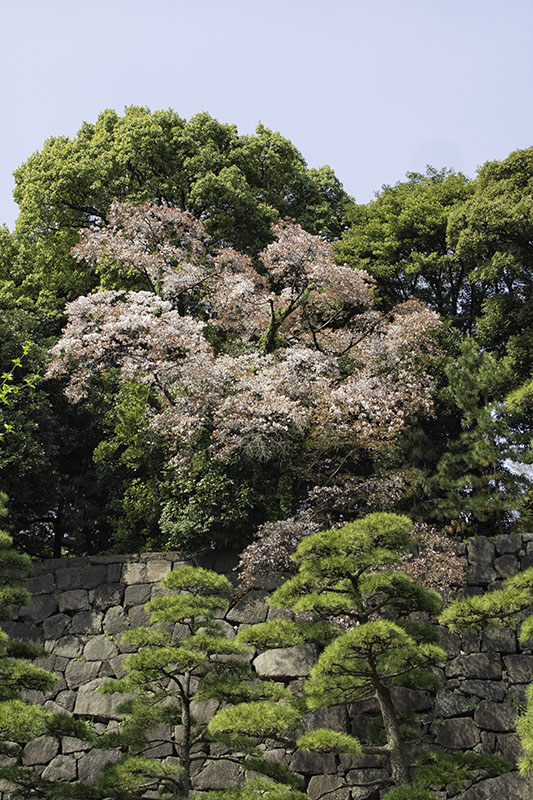 guides were quite concerned about finding us trees to view in their full glory.
 rebuilt palace.
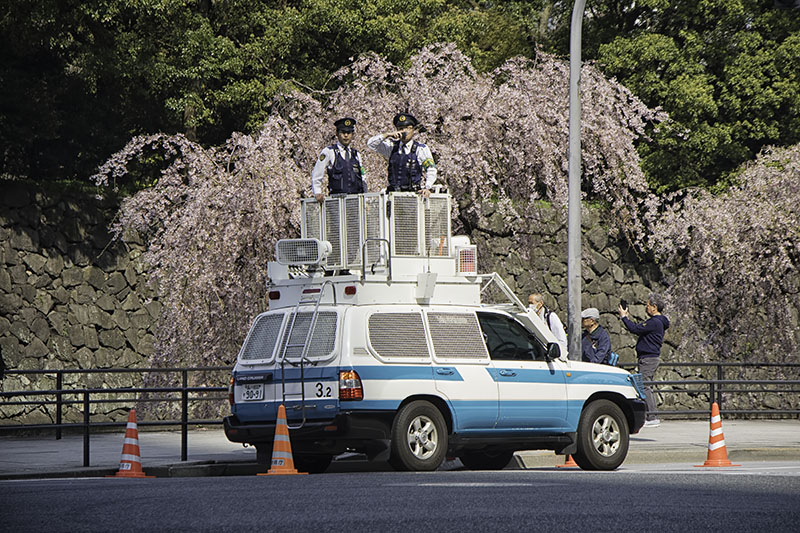
 e were lining up in mass to go in. These police officers were directing people where to go.
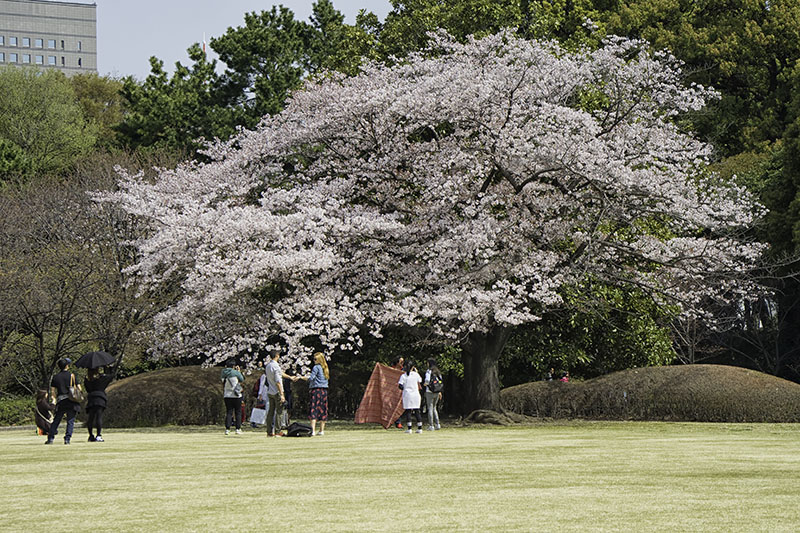
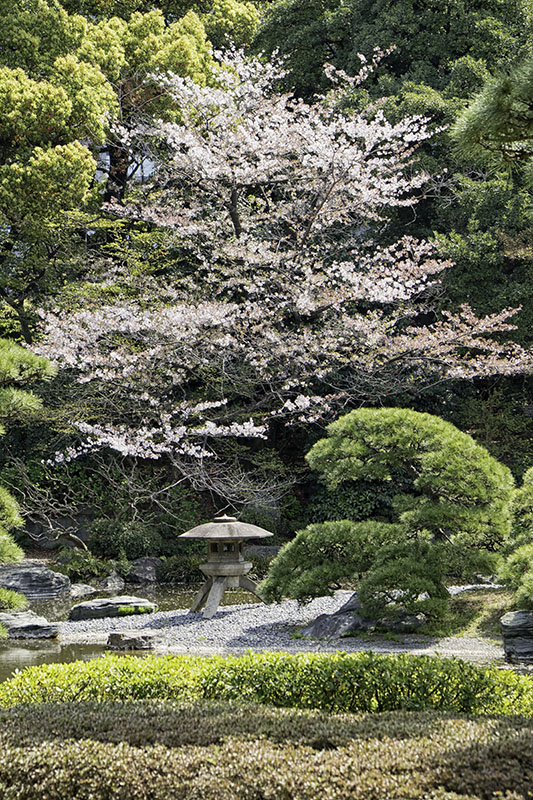 There we saw plenty of blossoming trees as well as people setting up for their viewing parties under the blossoming trees. We also had a chance to see the traditionally landscaped gardens.
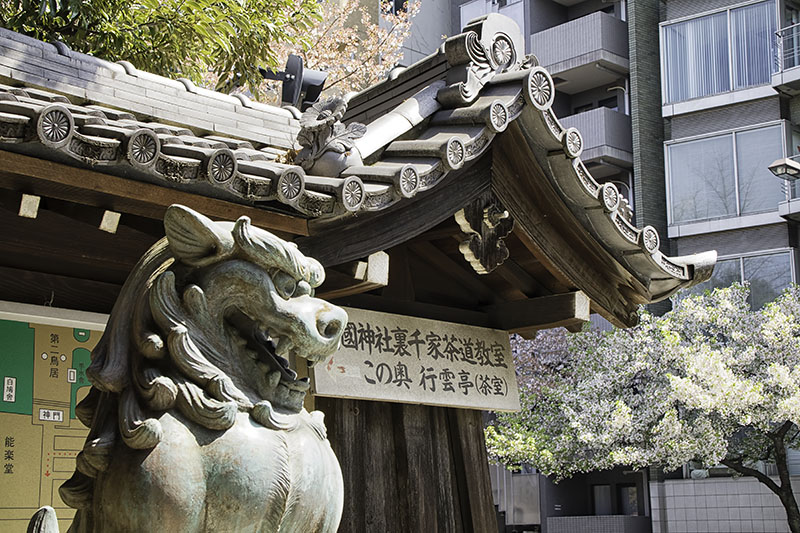 nately, I couldn’t get any cherry blossoms into the picture, so it will have to be seen at another time. It
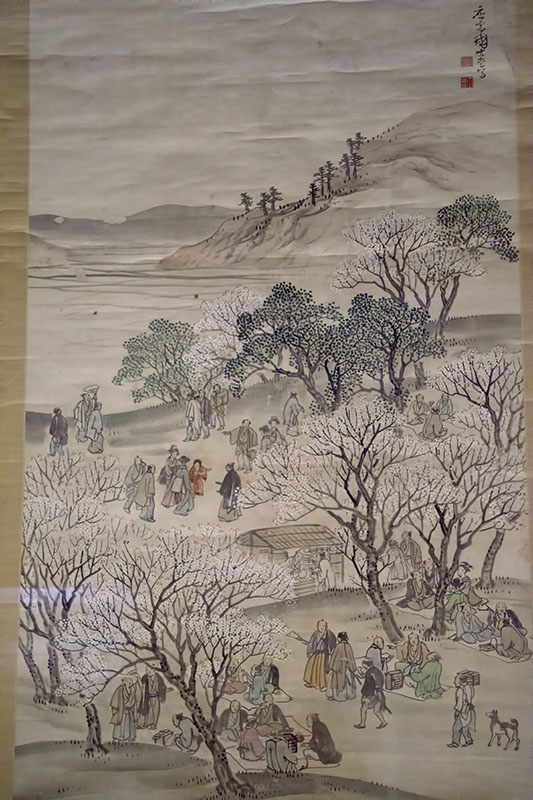 shington (D.C.) mall on forth of July waiting for the fireworks to begin.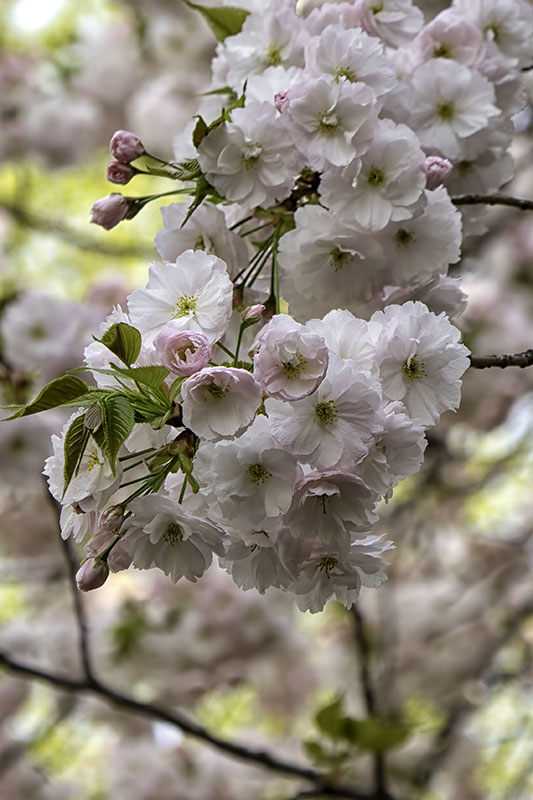
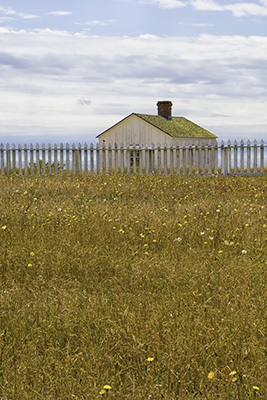
 This was the first day of the land portion of our tour. It started with a guest lecture from a local artist named Nancy Spaulding who, with her husband, has been making a living from doing art on San Juan Island for many years. Next we split into two groups with one headed for the History Museum and one to the Whale Museu
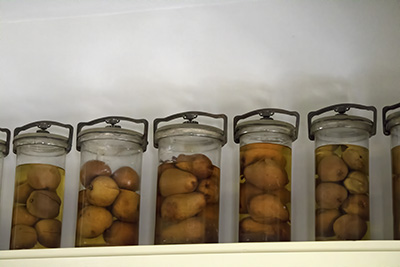
 m. My group was for history where we learned about the fruit preserve collection dating to 1909. I always love the small history museum for all the daily utilitarian artifacts they have inherited over the years. This one was no exception.
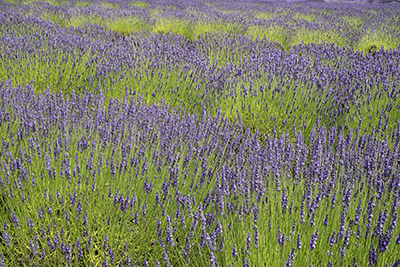 We made a quick side trip to the local lavender farm which for me was a highlight of the trip due to the abundance of colorful photo ops.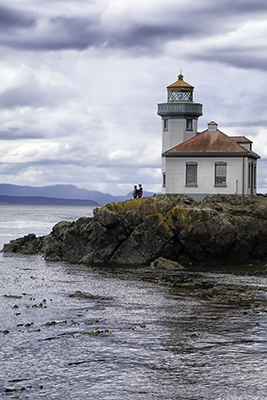
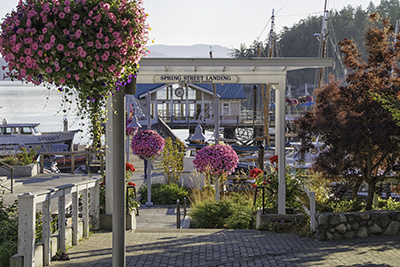 Day 2 dawned bright and sunny and we made our way down to the Spring Street Landing to meet the Chinook where we would have breakfast onboard while cruising north toward Roche Harbor. We arrived around 10am and started our tour with a trip to the Lime Kilns, relics of a major industry
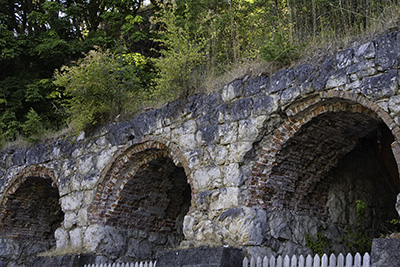 of the 19th century. We then proceeded up the path toward the sculpture gardens ever cognizant that we had less than two hours before departure and still needed to see the historic hotel and gardens as well as the
 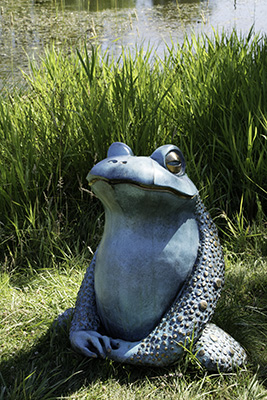 artisan’s marketplace.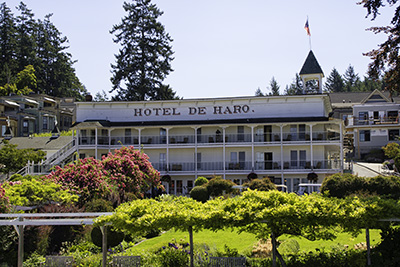
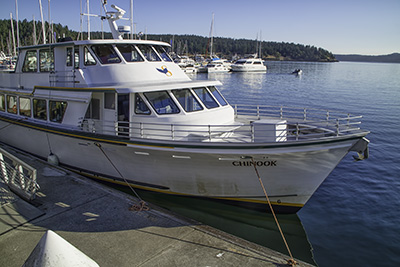 On returning to the boat around 5 we were offered a tasting of two Washington wines along with cheese and crackers as we cruised back to our home base at Friday Harbor. As if we hadn’t had enough to eat that day we then had a catered dinner of seafood enchiladas with chips and salsa and coleslaw.
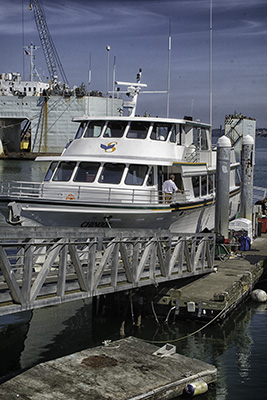 trip started Sunday in Seattle at an airport hotel where we gathered for an evening meal and brief orientation. The next morning we were put on a bus to Bellingham where we met our private boat, The Chinook. Our luggage was loaded onto the boat and we were underway by 10:00 am. Our cruise to Friday Harbor had barely begun when our Captain got word of sightings of Transient Orcas nearby and we headed that way and were rewarded with views of the big killer whales by 11 am.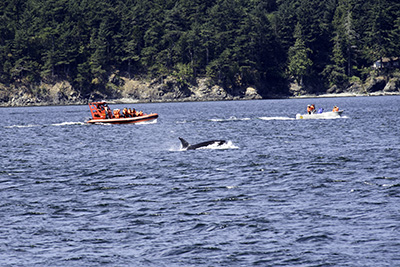
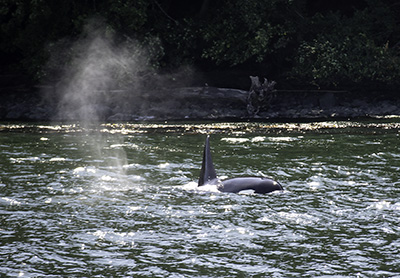
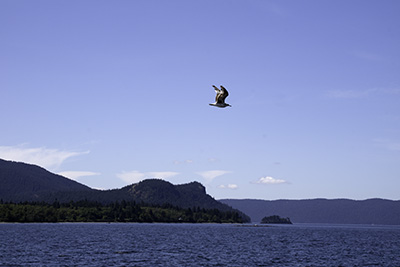 s we resumed our journey there were also bald eagles to be seen. Not to mention sea gulls and cormorants. There were boats of all shapes and sizes from huge tankers to tugboats to ferrys to sailboats to pleasure craft to whale watching zodiacs. And just to put a little icing on the cake Mount Baker put in an occasional appearance on the eastern horizon.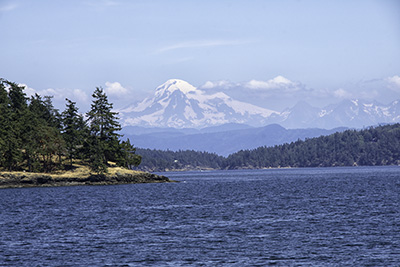
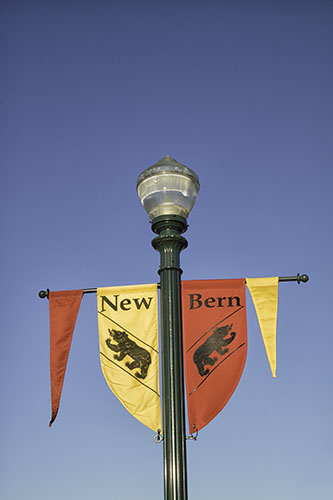 Founded in 1710 by Swiss and German immigrants, New Bern was named for Bern Switzerland. Since Bern means bear in German the town has embraced the bear as its symbol. Bear flags, banners and statues decorated in all manner of costume can be found throughout the downtown area.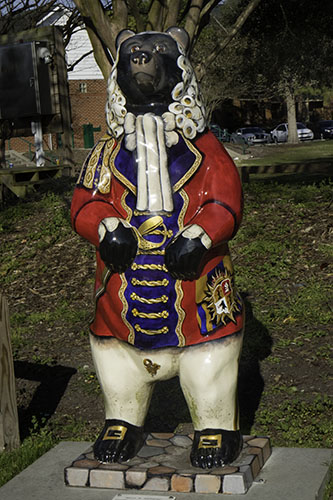
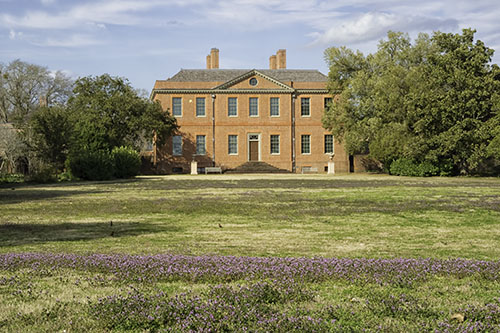 by costumed docents.
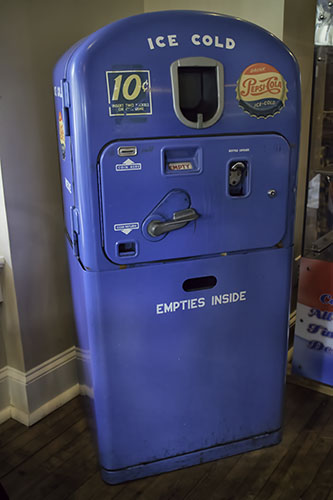 si Cola. A small museum and gift shop