On our last full day in Havana it started to rain. The backup plan was to take us to an art gallery to see some Cuban art. It was interesting and some I liked. Some was very dark. But it was hard to appreciate without a little background and commentary on the history of Cuban art. I also couldn’t help but wonder how many of the works hanging on the walls had been confiscated from wealthy homes after the revolution.
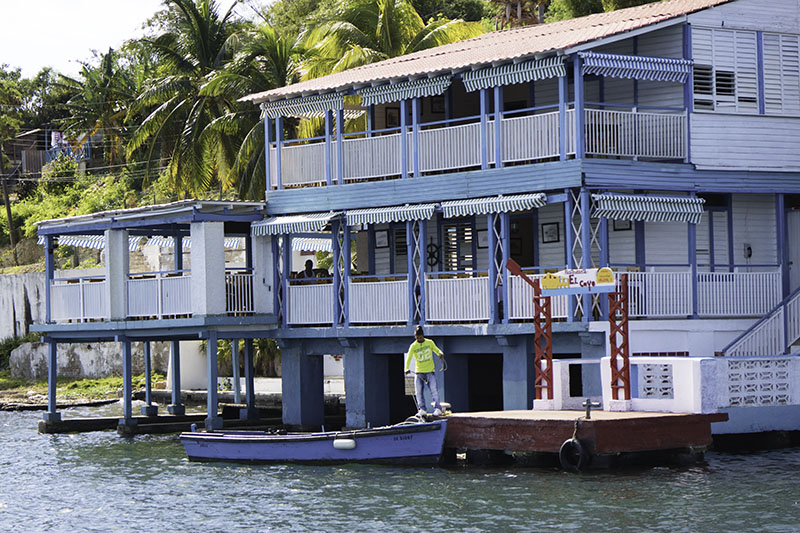
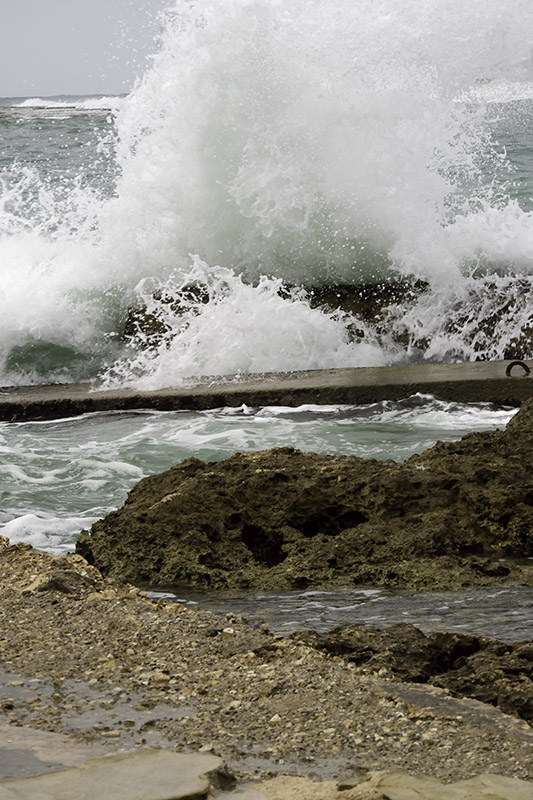 We were then taken to a seaside village which appeared very poor but where a retired surgeon and his wife had opened a restaurant called Julio, specializing in seafood. The house was set out over the water and on that day waves were crashing all around making one wonder how it had ever survived a hurricane. We were served a sumptuous lunch of seafood including, fish, clams, lobster, and shrimp. Appetizers include
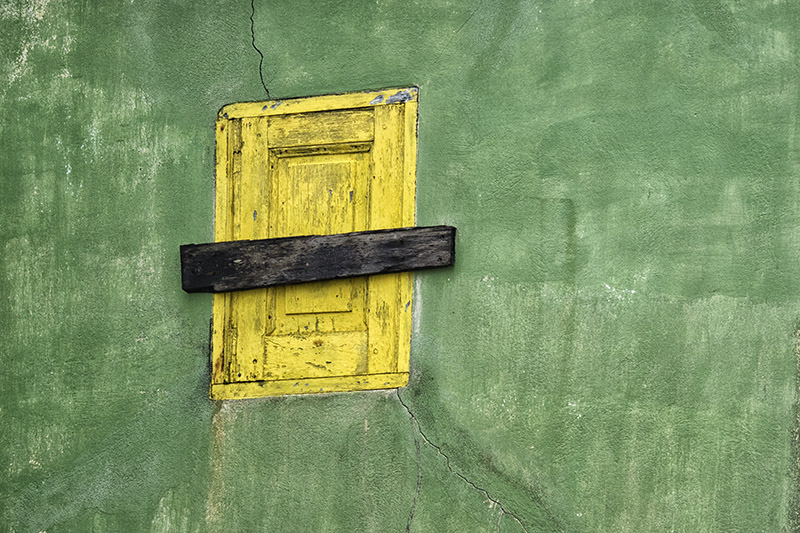 d fried banana cups filled with tuna fish and calamari. As always the ubiquitous rice and beans. Desert was some sort of candied orange and cheese, not really to my taste. I left feeling quite stuffed. by the time lunch was over the rain had abated and I was able to get a few interesting shots around the village.
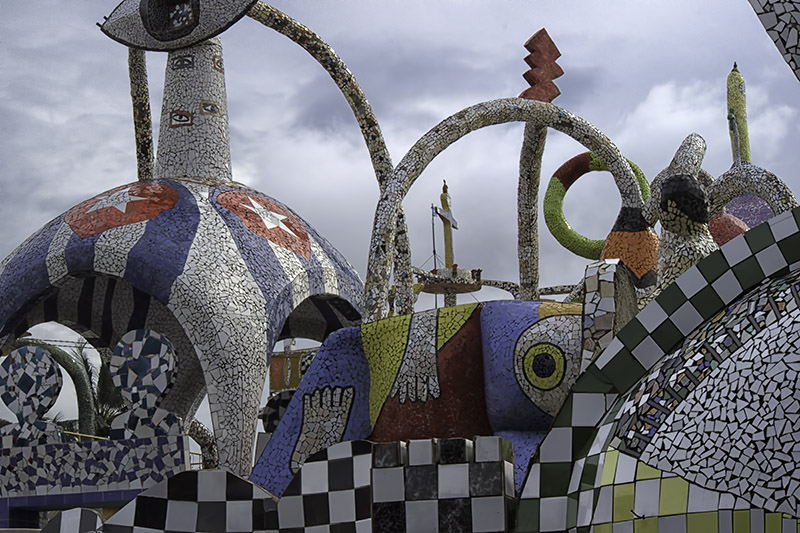 We stopped on the way back at a neighborhood where an artist had covered the walls with mosaic and created sculptures not only at his own house but for many of
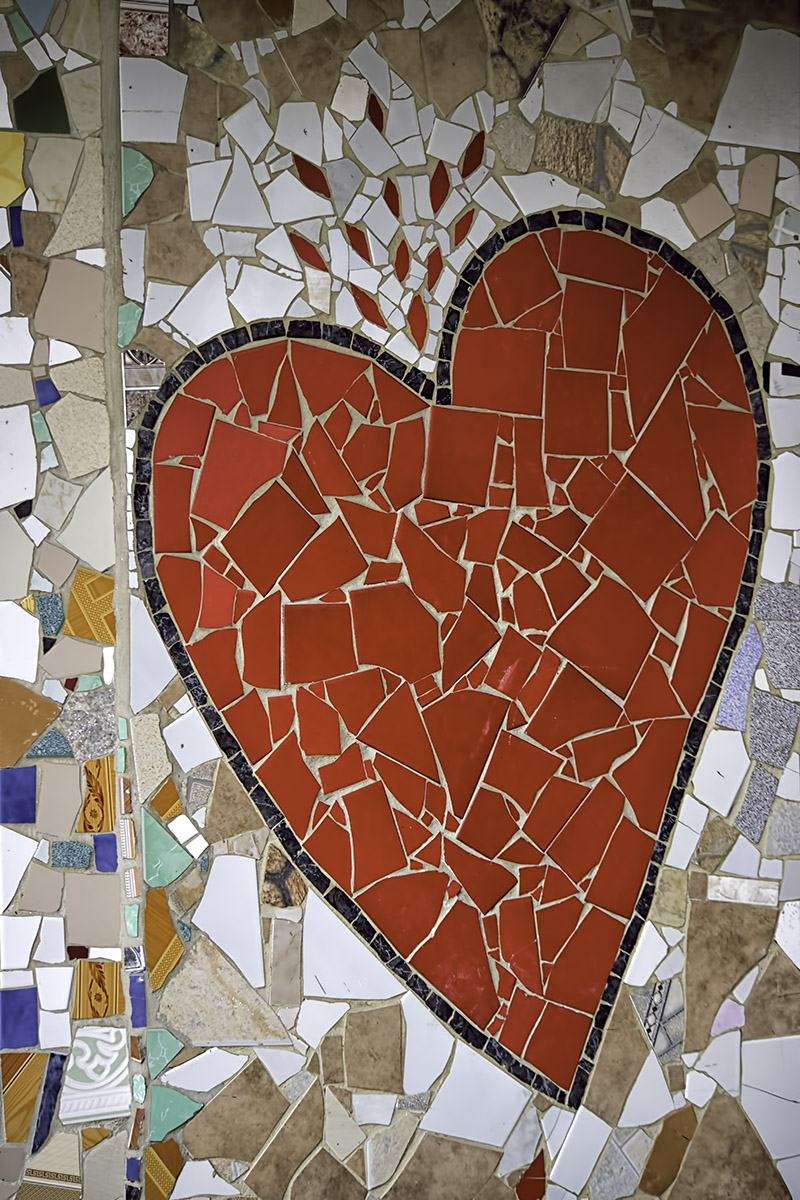 his neighbors. It was apparentlymeant as a tribute to Gaudi. Unfortunately, a huge tour bus arrived just after us so we were not able to fully enjoy the art. This was the one place outside Havana that I saw a full fledged gift shop, albeit in someone’s front yard. Alas, still no t-shirt that spoke to me.
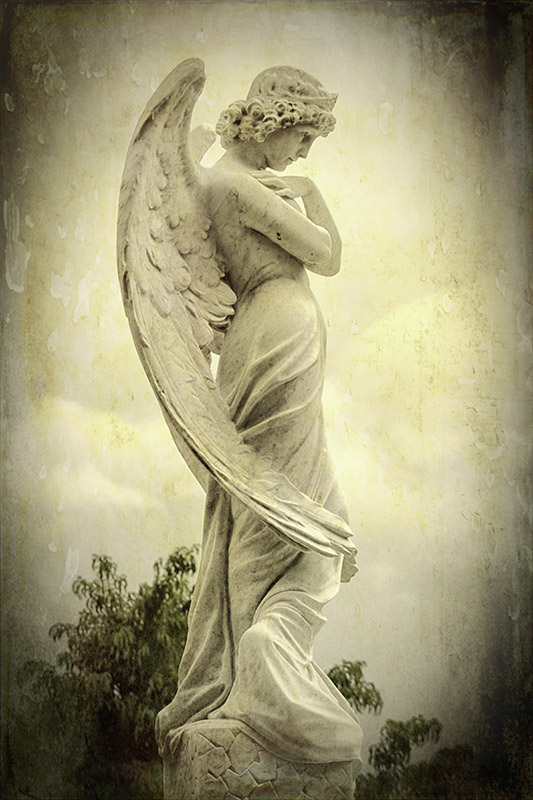 We then proceeded to an old cemetery that took up at least 16 city blocks. You might ask what the heck do you photograph at a cemetery? Like Valle Prehistorica this required a little creative openness and thought toward future processing. I started off with angels but then realized that about 90% of the monuments were angels and I could not possibly get them all and after all, how many angels do you need even for future creative elements. I then started in on windows and doors of the mausoleums and decorative iron fences.
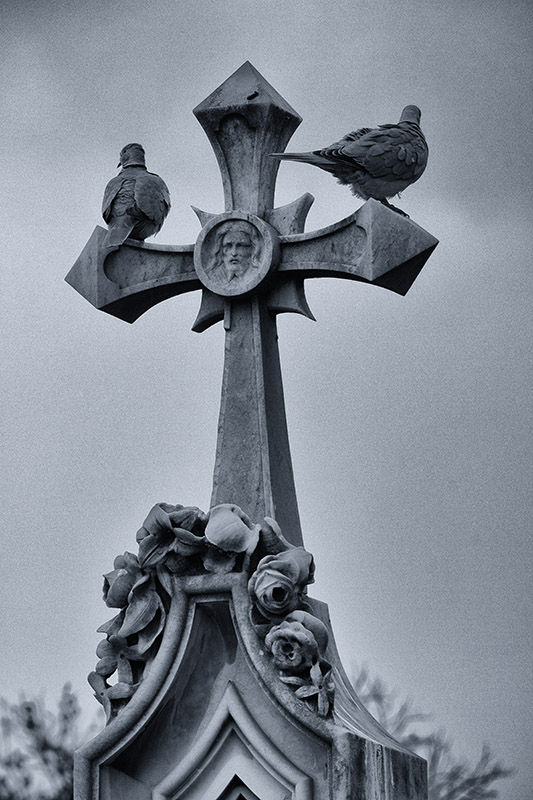 I also got some great textures for future digital artistry projects.
Unfortunately, as I was blithely approaching an interesting looking window, I walked into the territory of some stray dogs and was viciously attacked. I think the hat and raincoat and camera were just too intimidating for the dogs. I don’t think I was bitten but just scratched as the dog’s foot glanced off my leg, though for a time I was having visions of rabies shots. They did settle down right away when I told them to shoo. I 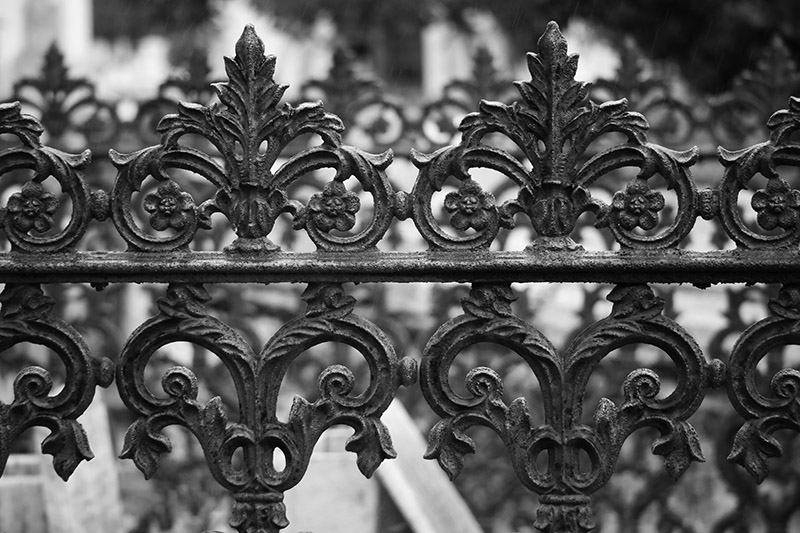 wiped off the blood with a kleenex then poured hand sanitizer over it. I later had Dr. Norm look at it and he washed it again with bottled water and more purell and kept checking it the rest of the trip. It seems to be healing up just fine.
We went back to the hotel for a short siesta then were picked up for our farewell dinner at a lovely restaurant, La Bonita, out in a Havana neighborhood. We had pork chops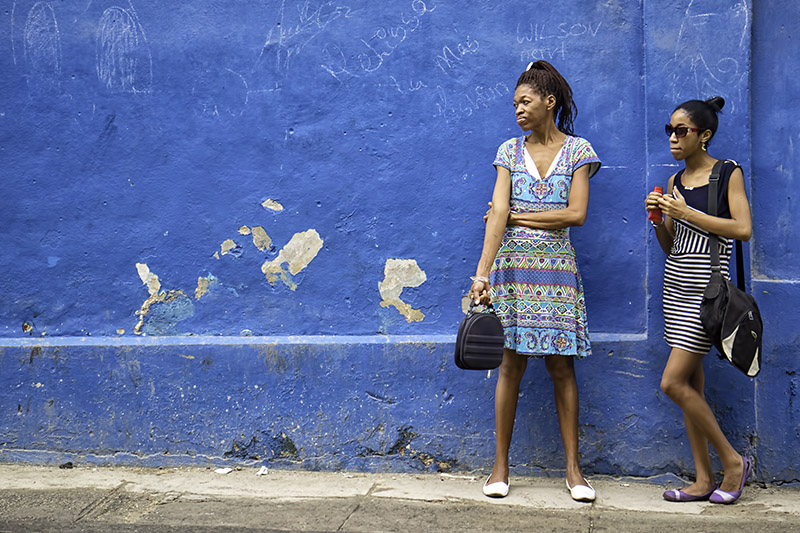 which were delicious, not like the over lean pork we get in the U.S. There was a luscious cervice for a starter, rice and beans, of course, and flan with ice cream for dessert. And we had wine which is hard to come by and expensive in Cuba. There was a jazz trio p
 laying and since we were the only table it seemed to be just for us. We all bought their CD, which, it turns out, is my only souvenir from Cuba, there not being much to buy in the first place and lacking quality in the second place and probably not made in Cuba in the third place.
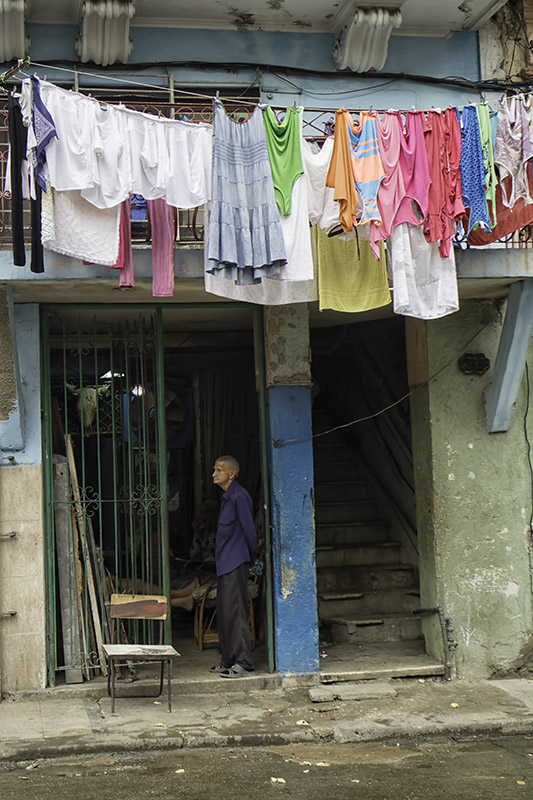
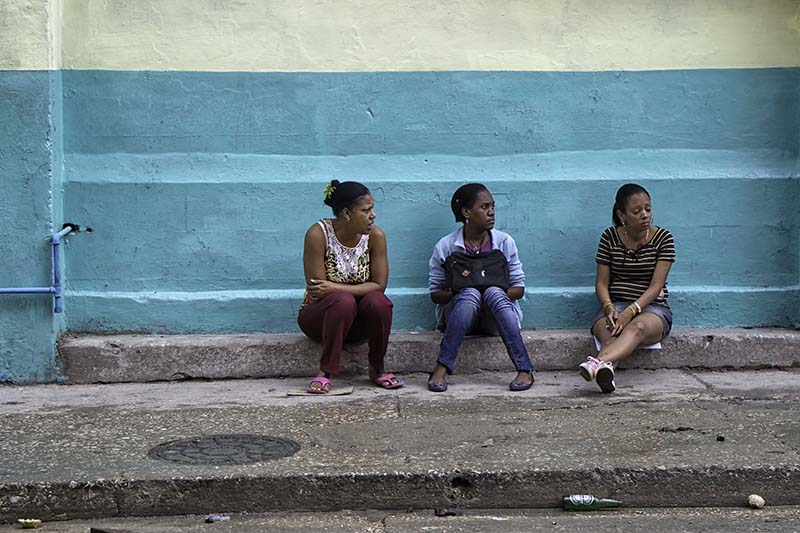
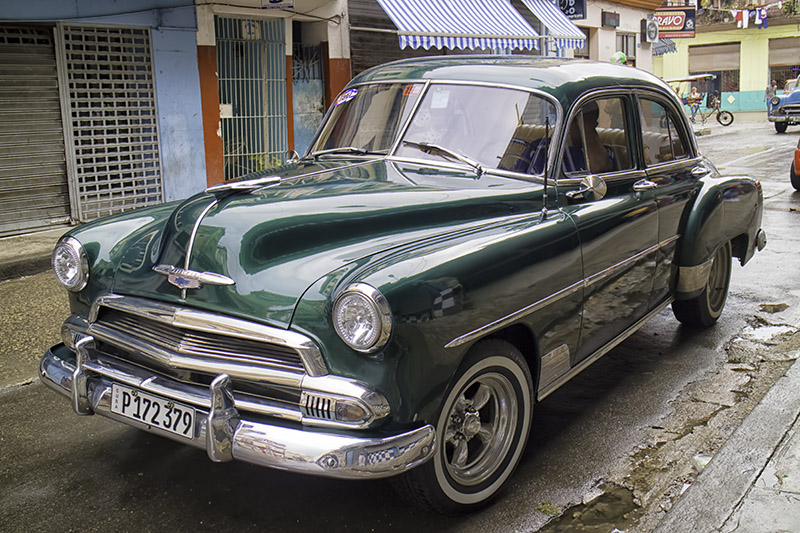
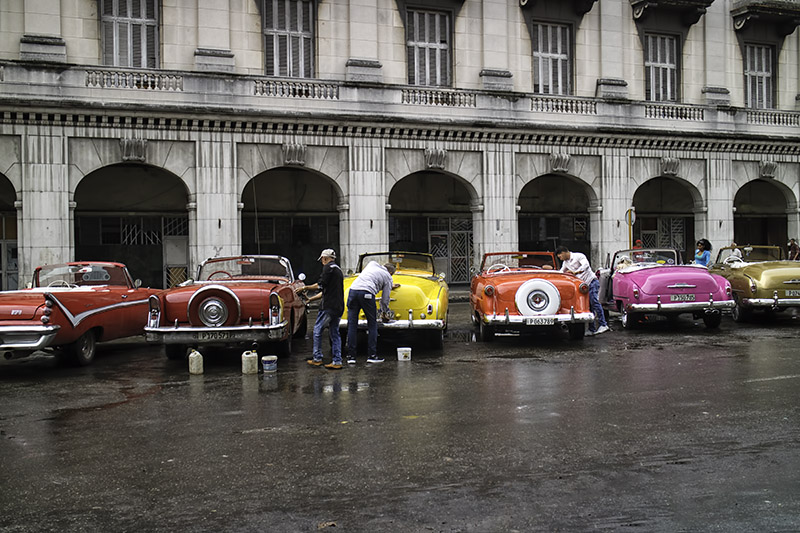
The next morning I was all packed and had breakfast and it stopped raining for awhile so I went for a walk 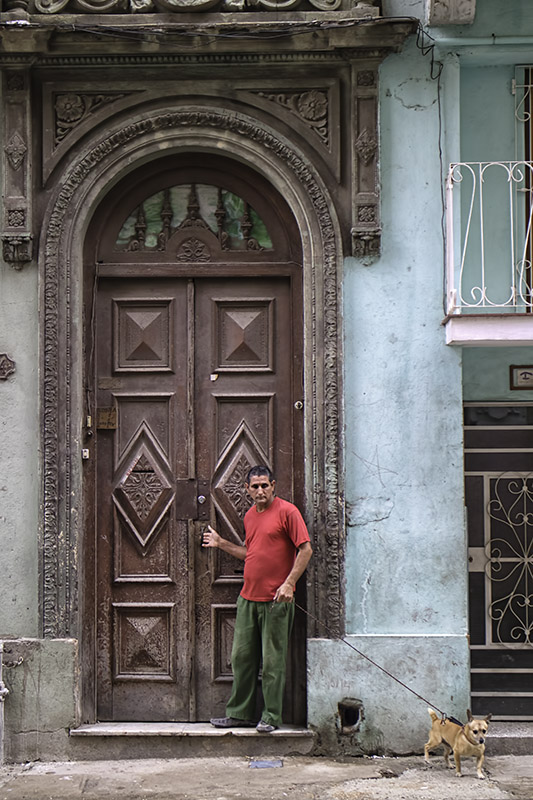 behind the hotel. There I found some of the most abject poverty, not to mention filth, I have ever encountered. I also found some of the best street photography of the entire trip. Still, I soon proceeded back to the rich side of the hotel and photographed old cars for a while.
 At 10:30 we were whisked off to the airport where we said goodbye to Leonel and were left on our own to negotiate the lines. First we went to the money changing line. They said, “Sorry, we have no American Dollars” then we were told
  to go over to another window and were taken one by one into a small room. They locked the door and a man in a suit proceeded to exchange my CUCs for American dollars, one to one. They ran out of dollars before we were all through the line and some of our party had to exchange their CUCs for Euros to be exchanged for dollars when they got back home.
 Next was the line for checking in for our flight. I had needed to go to the restroom when we arrived but could not find one so stood in the line for half an hour with my legs crossed. Finally, I got the counter and checked in and got rid of my suitcase and asked for the banos. Sure enough way past customs and down a narrow hall was the ladies room. I started to go into a stall and an airport worker yelled “Paper” reminding me that in Cuba you have to obtain your toilet paper before going into the stall.
Much relieved I proceeded through customs which was no big deal. Then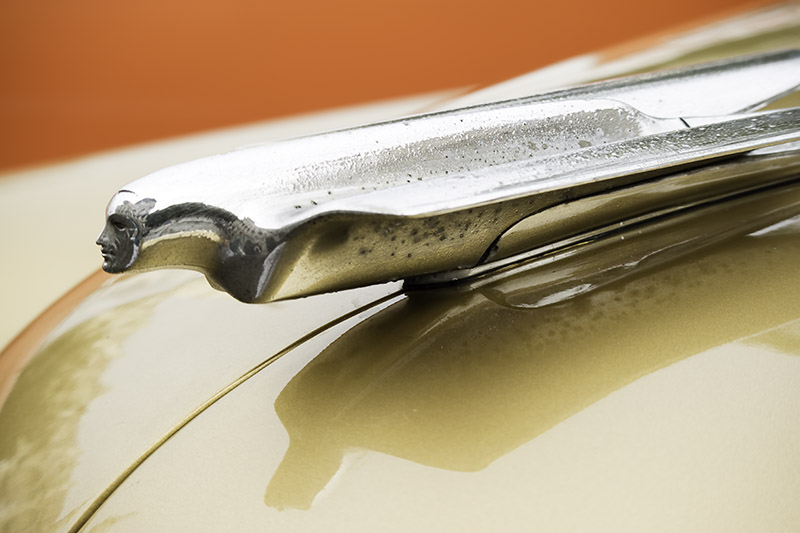 security which was not too bad though I tried to ask the woman if she wanted my computer out but she was intent on telling me to take my belt off until I finally lifted my shirt to show her I didn’t have a belt on. Then, of course, on the other side I was asked to take the laptop out so they could scan the bag without it. And then we proceeded to sit and wait for our flight which was only an hour late and that’s pretty good for Cuba time.
I have to say, I have never been so happy to return to American soil. Cuba was warm, Cubans were friendly, the colors were amazing, the photography was outstanding but all the time something was just a bit off. And I guess that’s why I travel, to get out of my comfort zone. But it is also, oh, so nice, to snuggle back into it when I get home.
 I have to say up front that I had 350 images to sift through this day, more than any other day. I loved most of them and it was very hard to choose which to share.
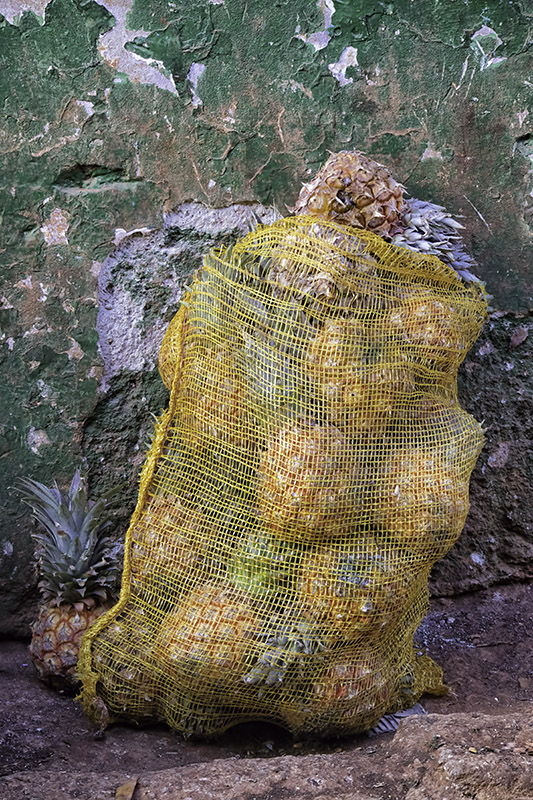
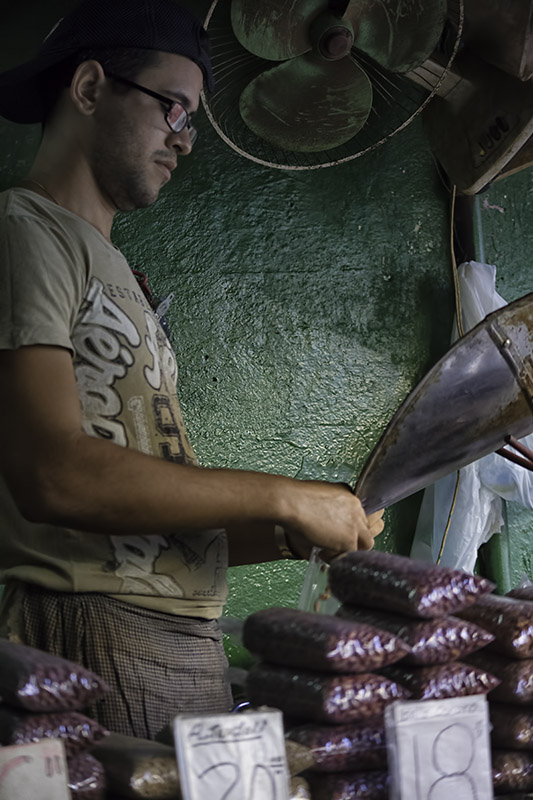 We met in the lobby of the hotel before breakfast to walk the five or six blocks to a traditional market where the meat was being butchered before our eyes and all manner of fruits and vegetables were for sale. Everyone was going
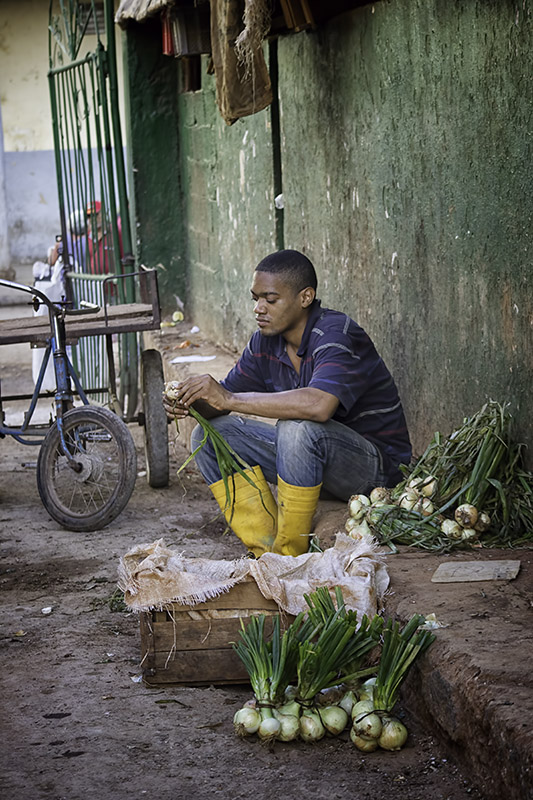 about their business and not paying much attention to the crazy American photographers. I think I have enough good photos from there alone for a show by themselves.
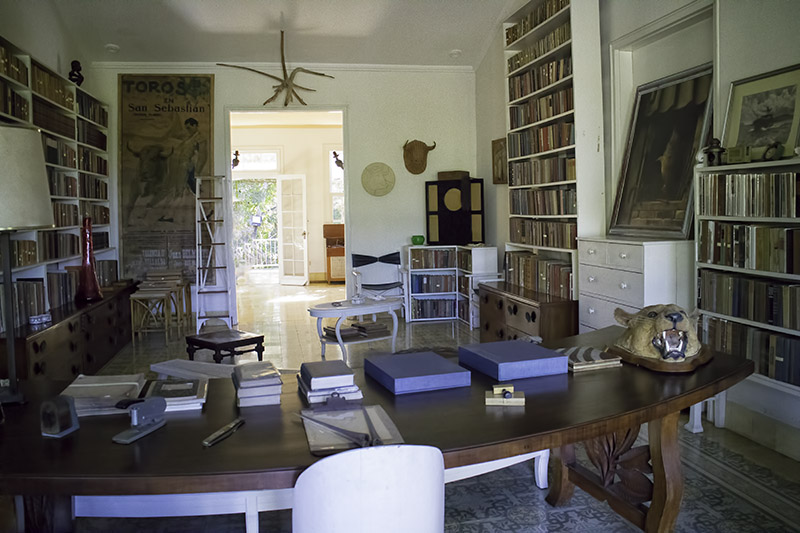 Back to the hotel for lovely buffet breakfast then into the van for a trip to Ernest Hemingway’s house. I did not realize that he lived in Cuba
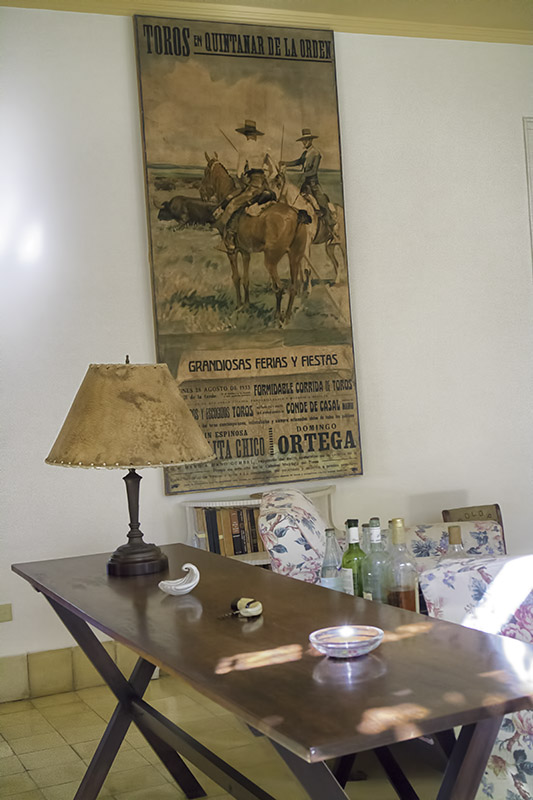 e kept
 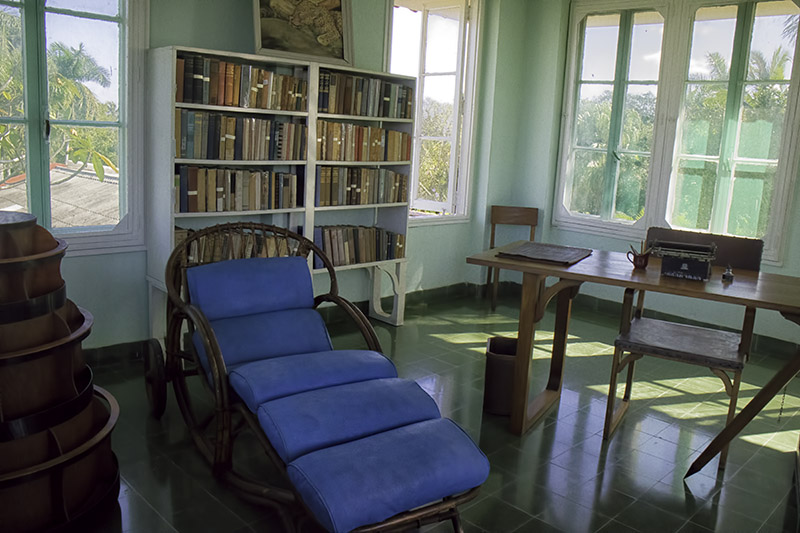 his house as a museum just as he and his wife left it. The rooms are filled with books, and art, and animal head trophies adorn every wall. While they do not allow you to go into the house, all the windows and doors are open for viewing the rooms. At the top left is his library, below that the living room, notice the bull fighting poster and the well stocked bar. On the right is his tower room where he could go to write, take a nap or spy on the women at the swimming pool with his telescope.
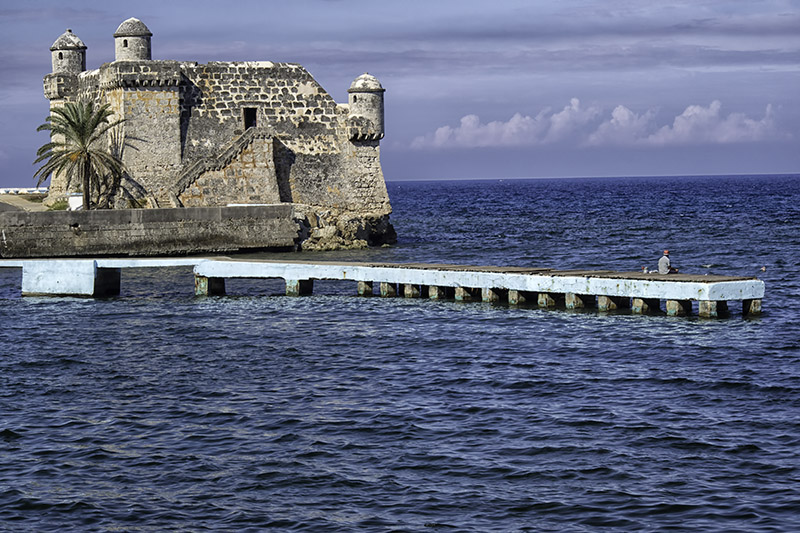 We then went to the village of Cojimar where Hemingway used to dock his boat and where he got the inspiration for The Old Man and the Sea from an actual incident that happened there. We had a huge lunch which started with a honey mojito (by this point in the trip our slogan was “drink it fast before the ice melts” and I was already taking Cipro and Imodium to counteract an episode the night before, so what the heck). The drink was followed by two rounds of appetizers, a main course which included chicken, beef, fish, and lobster, vegetables, rice and beans. Rice pudding was served for dessert. I tried it but only confirmed that I st
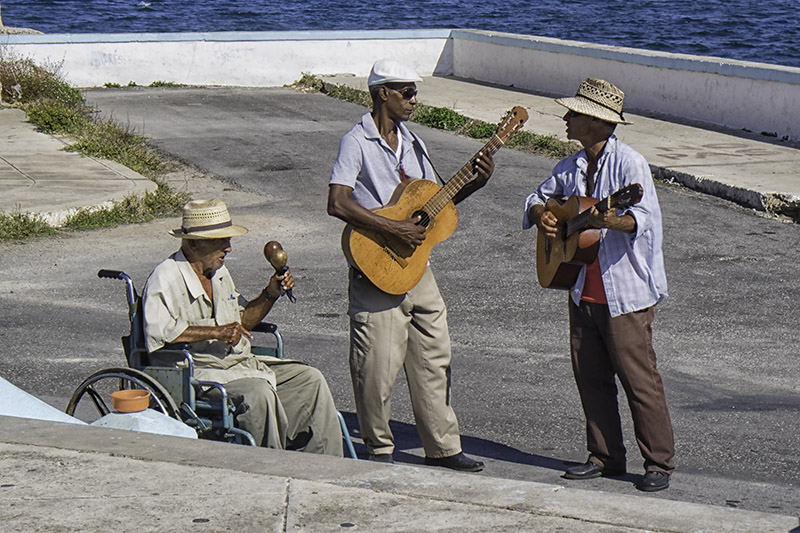 ill do not like rice pudding. Down at the waterfront we were serenaded by musicians. The old man in the wheelchair had a sign that said “I have ailment Parkinson’s,” possibly an asset for shaking the maracas. He still sang well though. We walked along
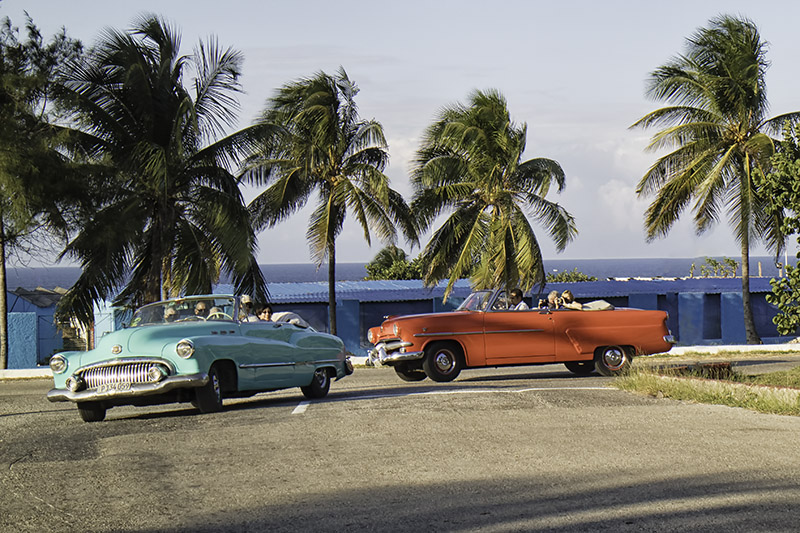 At 4pm we were loaded into three old convertibles. A pink Chevy, a red Ford, and a Turquoise Buick. I was riding in the Chevy which was probably in the worst condition but we had hands down the best looking driver.
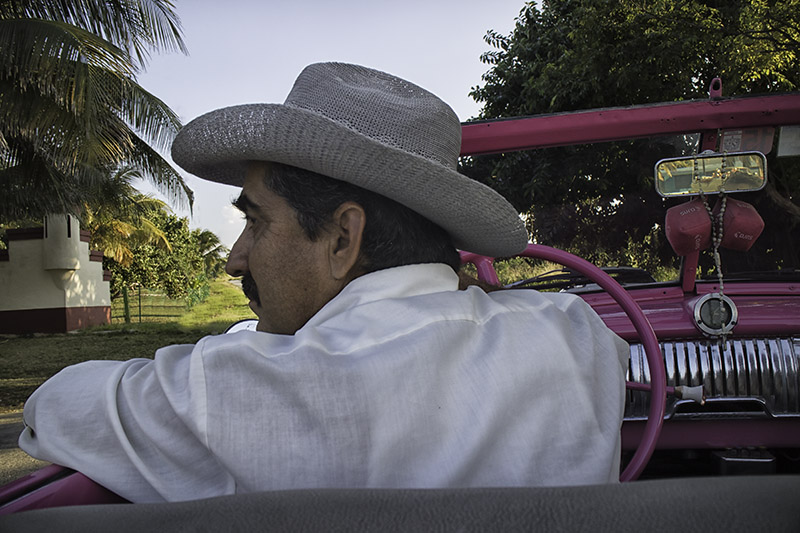 We went first to see the Christ of Havana statue. At 60ft it is the second largest statue of Christ after the one in Rio. Interestingly, the statue was commissioned by Batista’s wife in 1958 and was completed a week before the Revolution.
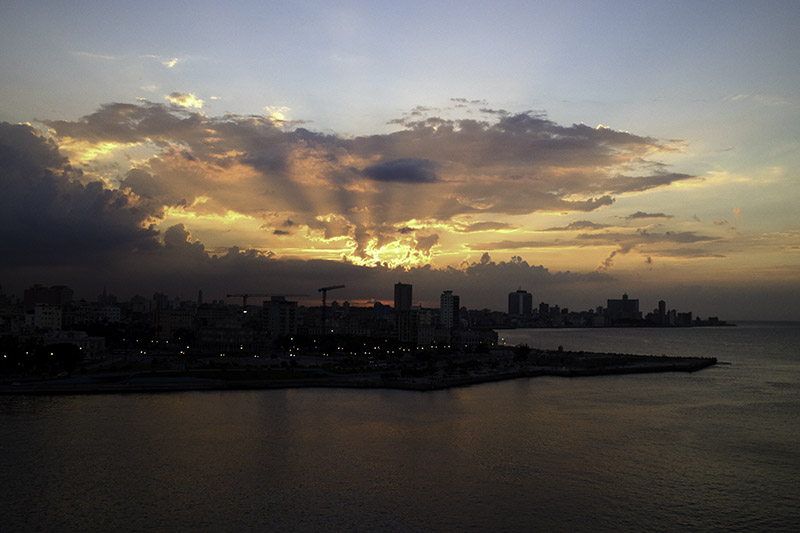 Next, we hopped back into the cars to visit an old fort built between 1763 and 1774 by the Spanish. Here we had a marvelous view of an amazing sunset and we even got to see a cruis
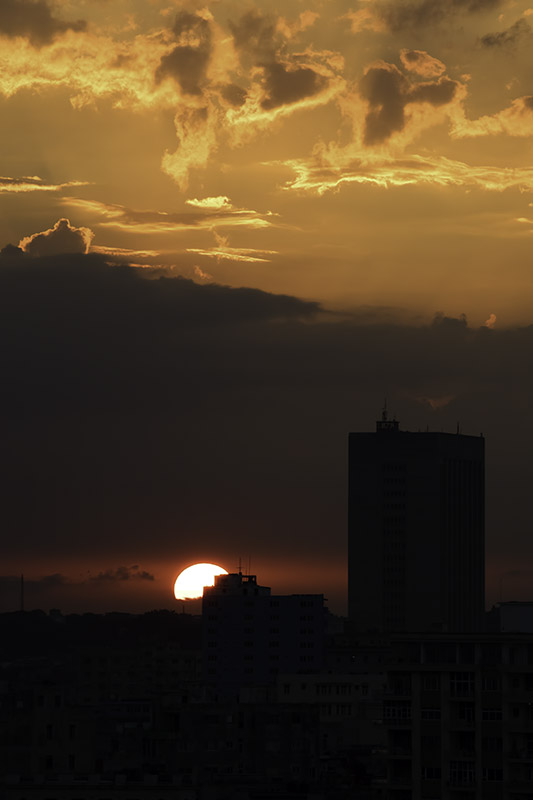 e ship leaving town. The cars dropped us off at another American café, very
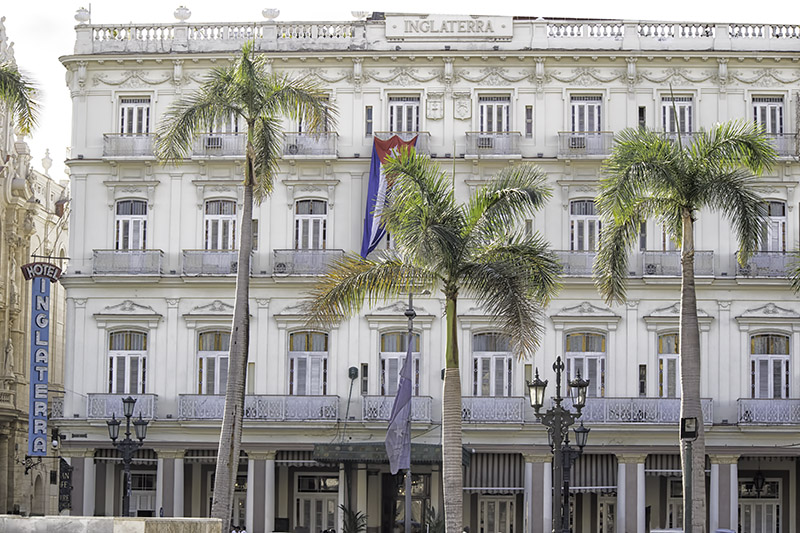 e until 8:35. But at least it was on time. We were in Havana with luggage in hand by 10:15 and picked up by our new driver Lasero, who did not speak English, but who drove a very similar van to David’s and he whisked us away to the Hotel Inglaterra on the border between Central Havana (dating to the 19th century) and Havana Viejo (old Havana, dating
 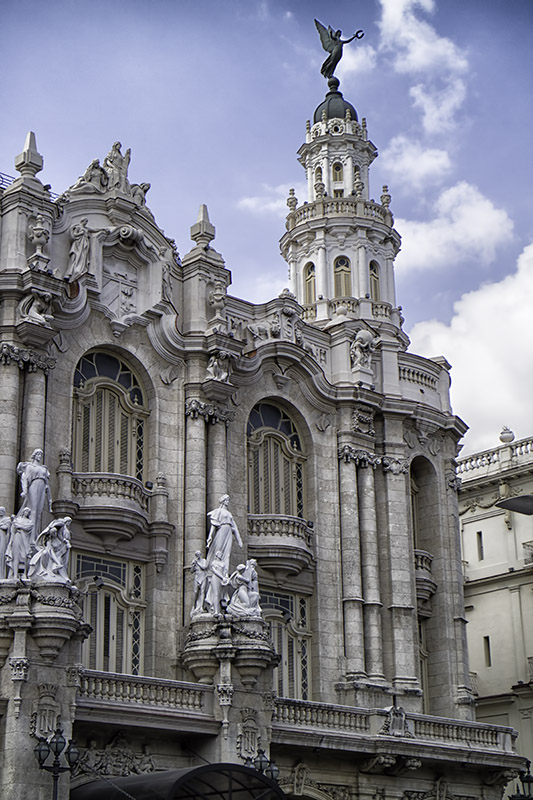 to the 16th century). Our hotel was just next door to the very ornate Opera House and just a block from the national capitol building which was having its dome restored.
 because it was the only one on the menu that didn’t say it came with vegetables. Unfortunately, it did anyway. It also had three slices of bread with about a tablespoon of tuna salad between each slice. I peeled off the lettuce and made do with my tuna flavored bread.
 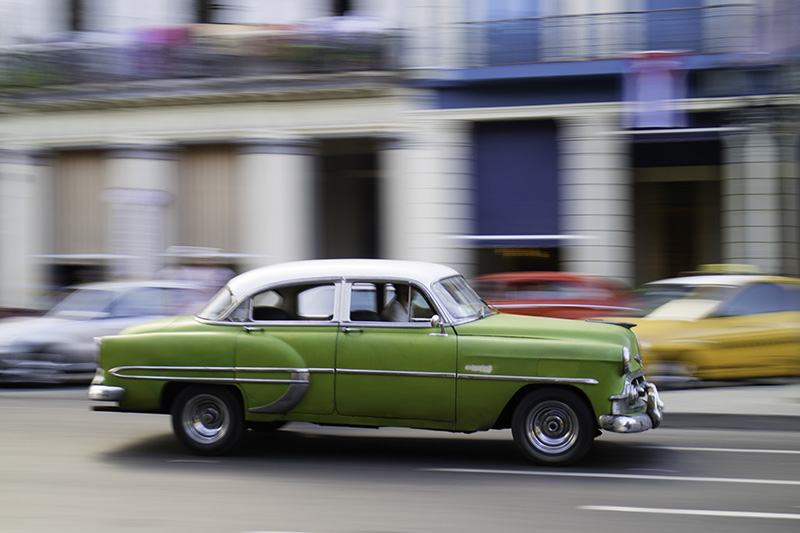 the park filled with old cars now serving as taxis so I did some detail work there. While there are some newer cars from Russia and China, in Havana the old American
 the trunk where he had a 20 gallon jerry can with hoses running out of it. Ron pointed to it and asked “Is that your gas tank?” The man grinned and said “Si, welcome to Cuba.” Regardless of condition, the old cars are considered a national treasures. Still, I have a hunch many will find themselves on boats home if relations with the U.S. continue to normalize.
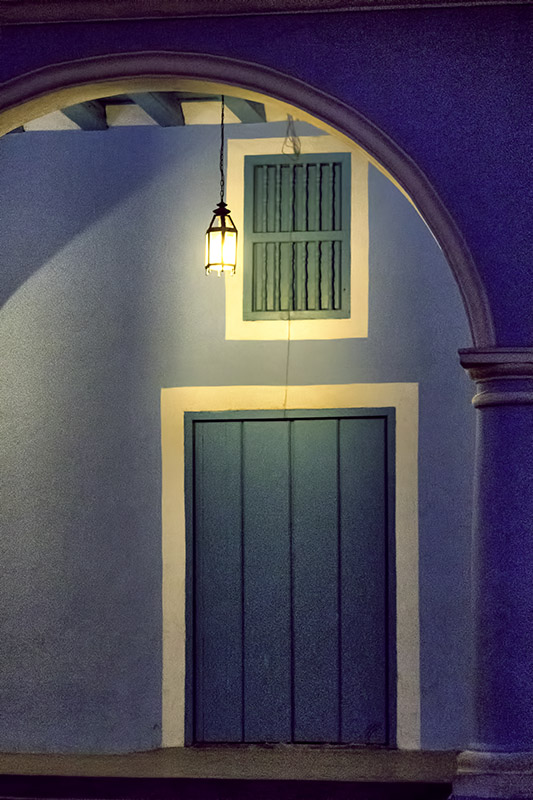
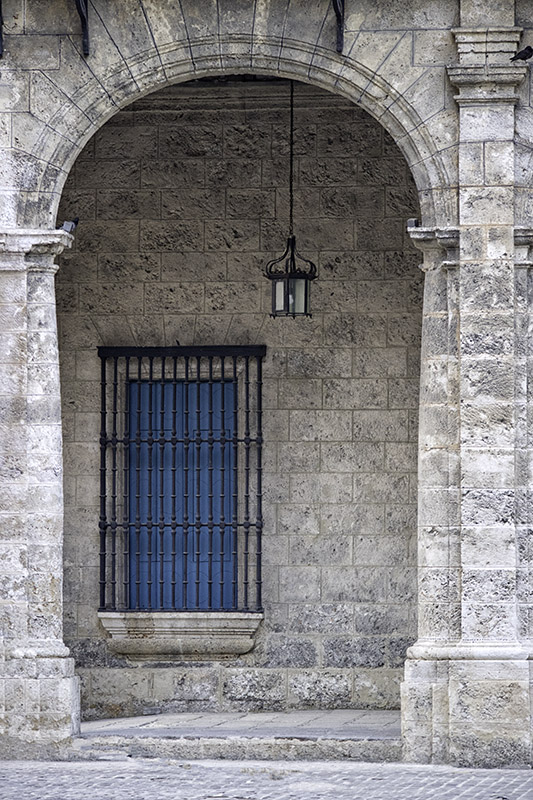 AT 4:30pm we were picked up by the van and taken to Old Havana for a walking tour which ended up lasting for 2 ½ hours. I was exhausted with sore feet by the end and it was too dark for photographs. Lionel said
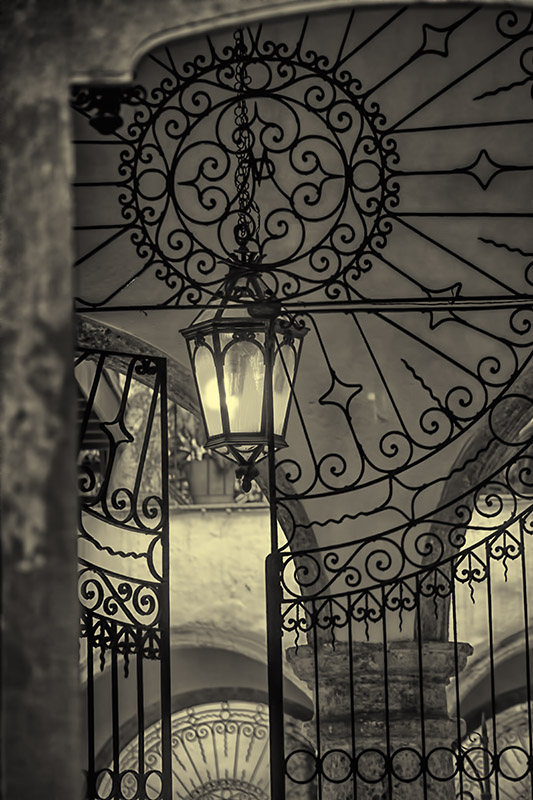 “You are photographers, you need to walk around.” Well, yeah, but in the light of day please and with a rest break every hour or so. The architecture was beautiful and I would be happy to return some day to photograph more… in the light of day.
 We ended up at a restaurant where we were directed up a narrow spiral staircase to a private room. I had Ropa Vieja, a sort of shredded meat dish, in this case lamb. It was served with the ubiquitous rice and beans and some very tasty appetizers. I especially liked the fried plantain basket with seasoned ground beef.
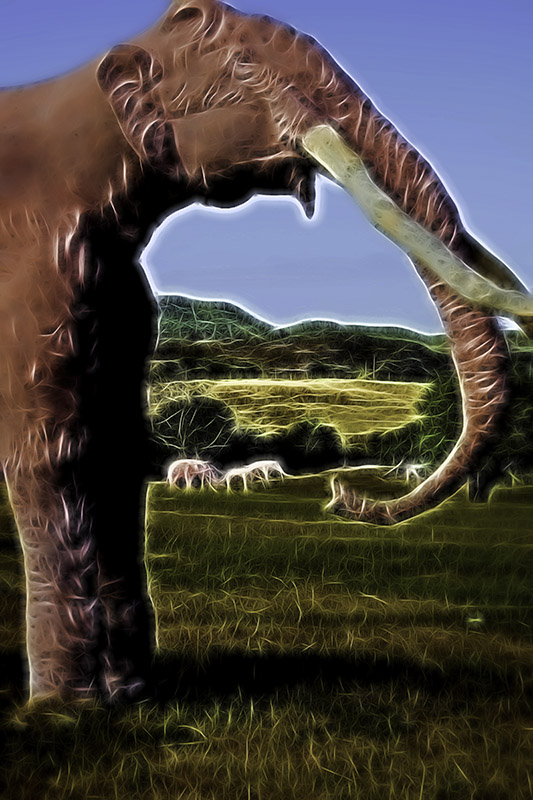 Then we hopped in the van for a trip to Valle Prehistorica, a park with lots of old statues of dinosaurs, mastadons and such. I found the texture of their sides most interesting to photograph but thought I might come up with something artistic using the more creative software and here a couple of examples using Topaz Glow. Possib
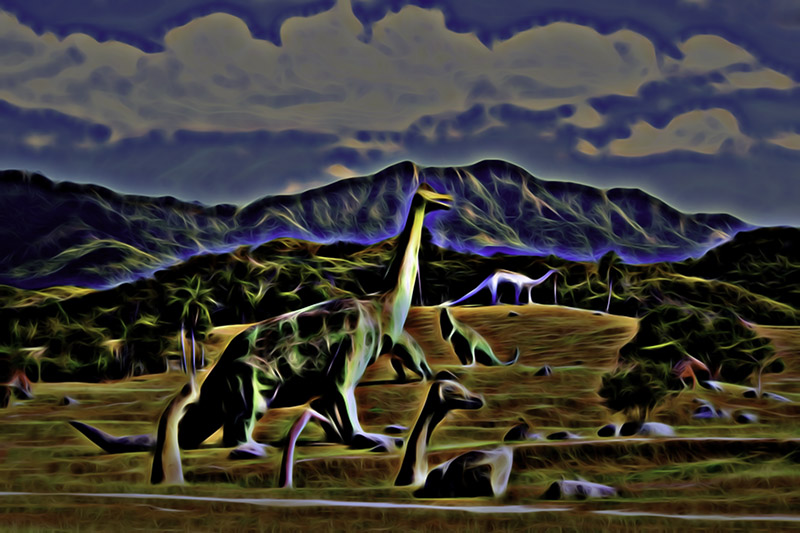 ilities still abound. I did some motion blurs with the horses and they almost look real but I need to take more time to work on them. I’m pretty
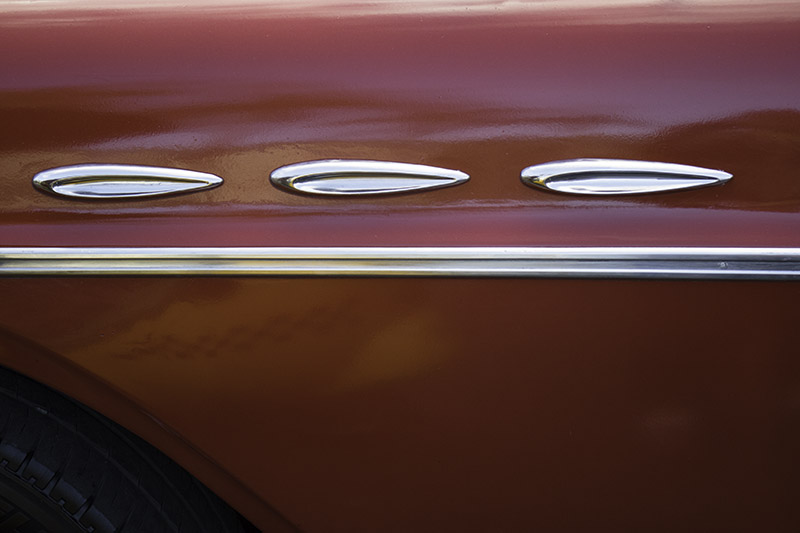
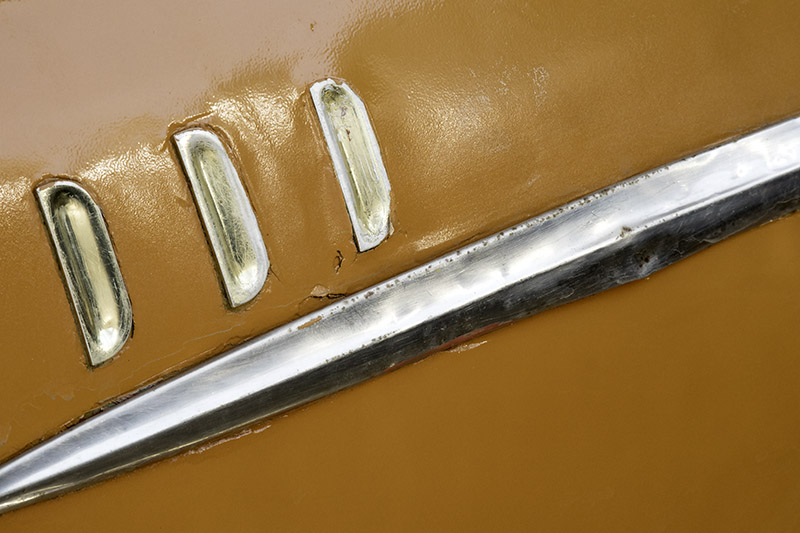 Next up was a trip to a car museum. Unfortunately most of the cars were victims of very bad paint jobs and far from complete restorations. Bu
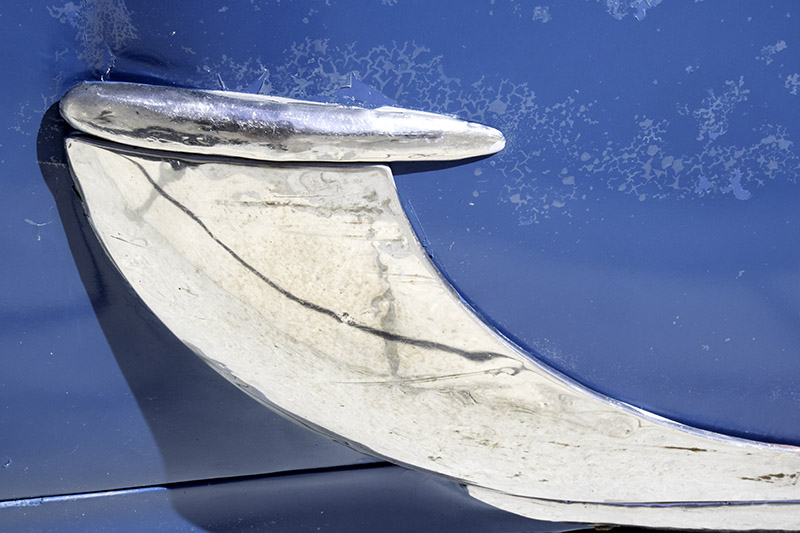 t old car abstracts are one of my favorite things and the brilliant colors, though inexpertly applied did add interest to my photos.
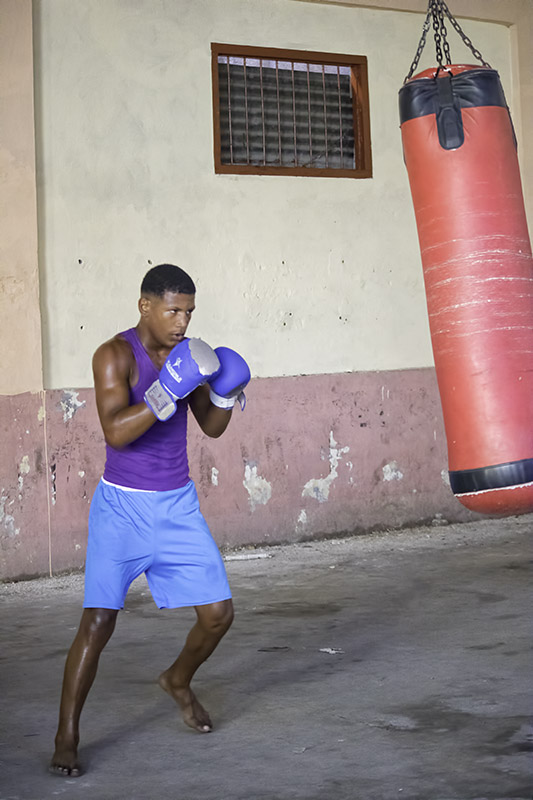 Some people in the group had expressed an interest in photographing sports so, after a short rest back at the casas, we headed out to a boxing gym to do some shots of fighters wo
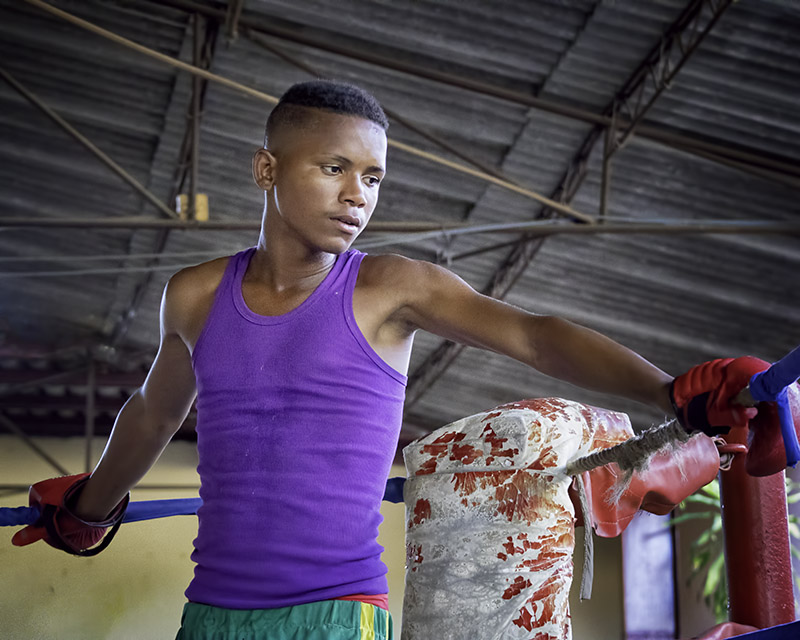 rking out. It was interesting but not my style in the long run. Though I did get some decent shots. What I will ever do with them I have no idea.
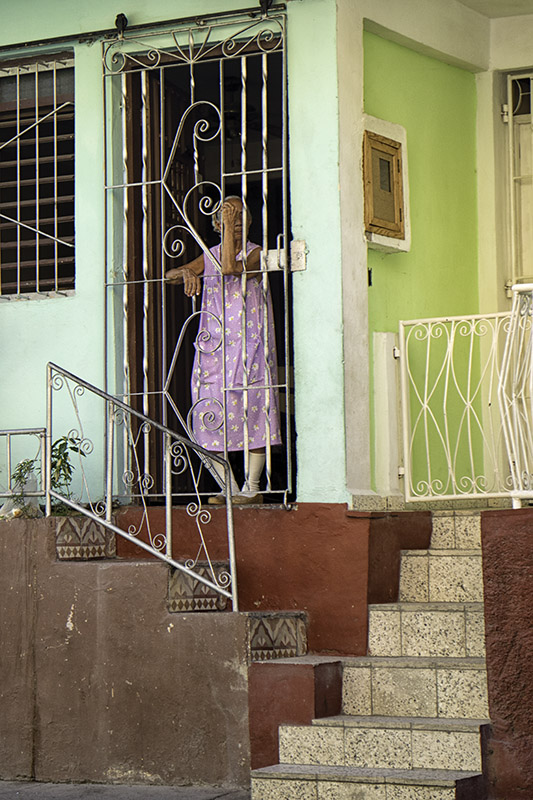 We stopped to buy bottled water on the way home and the van ran over a broken bottle. David, bless his heart, tried to get us home before the tire went flat but didn’t make it. We could see the Cathedral from where we were and offered to walk home but Lionel, said no, just wait. As always, Santiago offered up some colorful images while we were waiting.
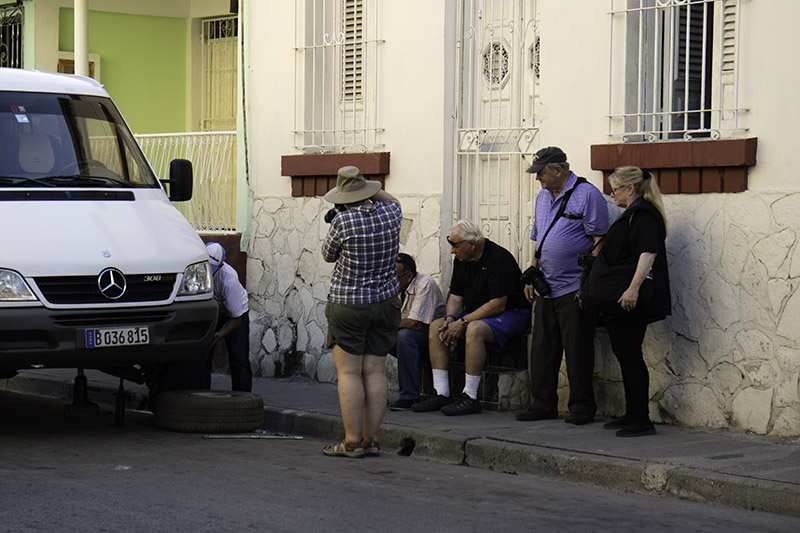 it takes to change a flat tire the answer is 9. One to take the picture and eight to watch. It’s also helpful if you have a couple of Cubans, one to supervise and one to do the actual work. It turned out David had never changed a tire before but he got through it in spite of all the “help”.
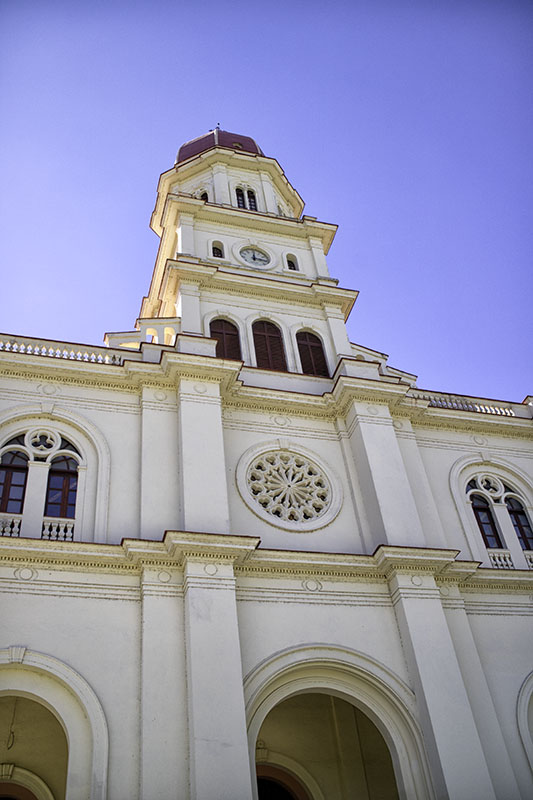 Next, we went to a town called El Cobre, the name of which has something to do with its history as a copper mining center. But its real claim to fame is a cathedral that is dedicated to the patron saint of Cuba and a popular site for pilgrims with and without religion. The full name of the chu
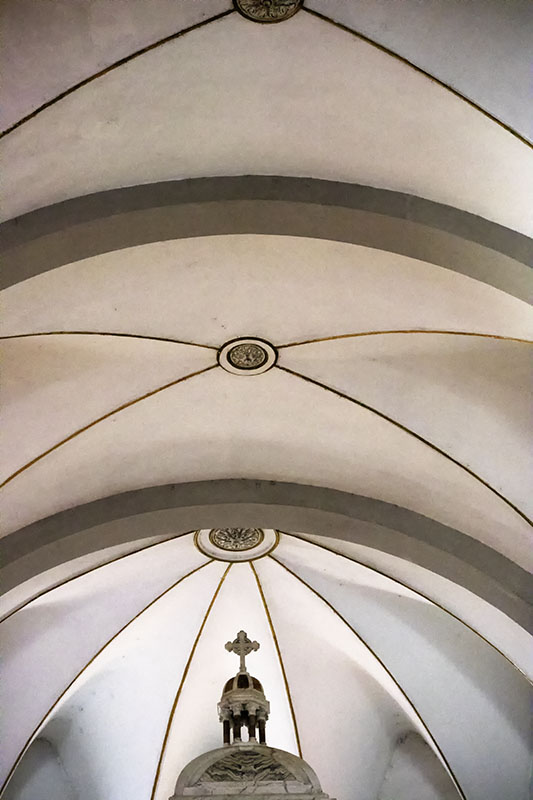 rch reflects its Spanish heritage: The Basilica de Nuestra Senora de la Caridad del Cobre. The church was not that impressive (austere says my
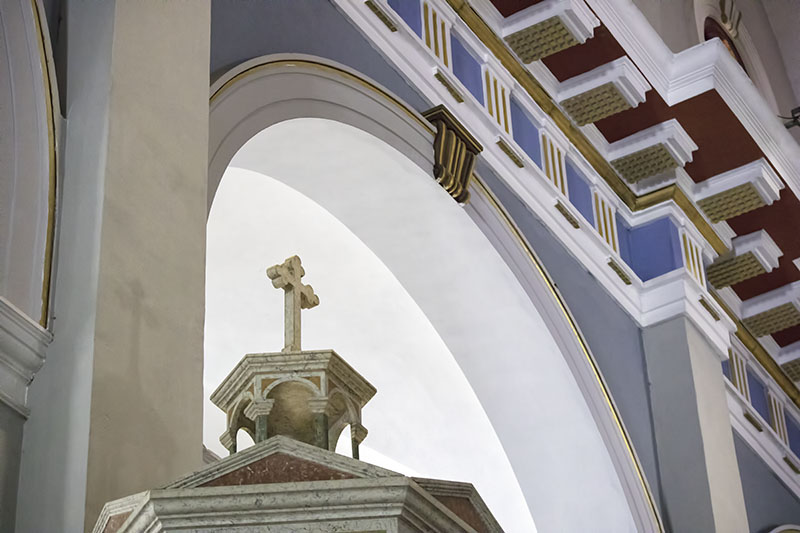 come back up and it seemed to consist of a lot of vendors intent on selling flowers and trinkets to tourists so I don’t know that the photography would have been very satisfying. And, as there was no place to eat lunch we soon headed back to Santiago.
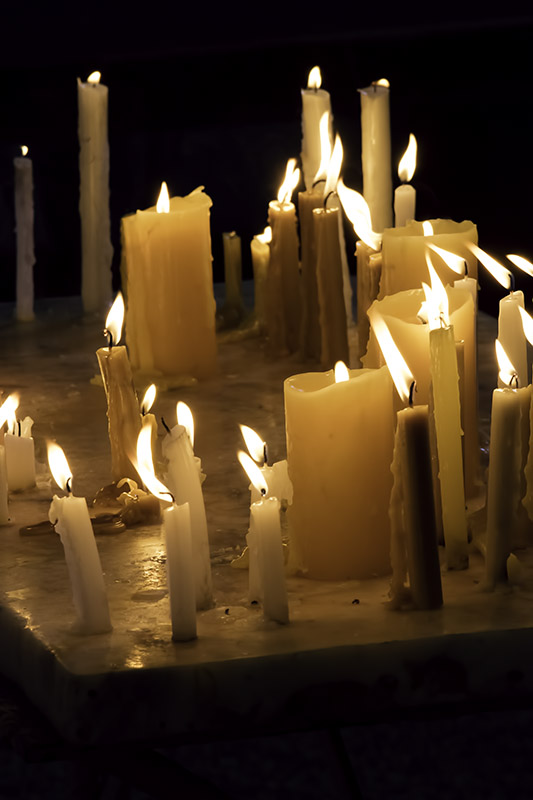 one cannot be a member of the communist party and be an active participant in religion there are not a lot of overt signs of religion as might be experienced in other former Spanish colonies. On the other hand I did not get the sense that religion was banned outright either. Churches remain as churches and there were certainly plenty of pilgrims at the Basilica. Papal visits have been allowed and I spotted a nun reading on the balcony of a building nearby. Our driver was the son of a Seventh Day Adventist minister and he owns his own van and tour company as well as a farm so having a religious background does not seem to be a deterrent to success in the new relaxed economy. I also understand from my reading that vestiges of African religious practices brought in with slavery are still alive and well in Cuba.
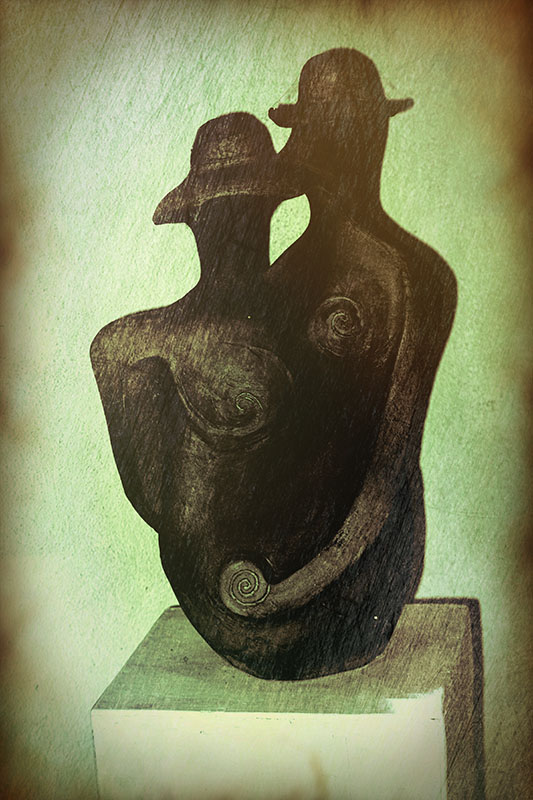 After lunch we were turned loose to explore the local neighborhood but the directions for the meeting point and time were not clear. We found an art gallery just around the corner. I’m always hesitant to photograph other peoples art and call it my own but I tried to transform this piece enough to at least make it a shared effort.
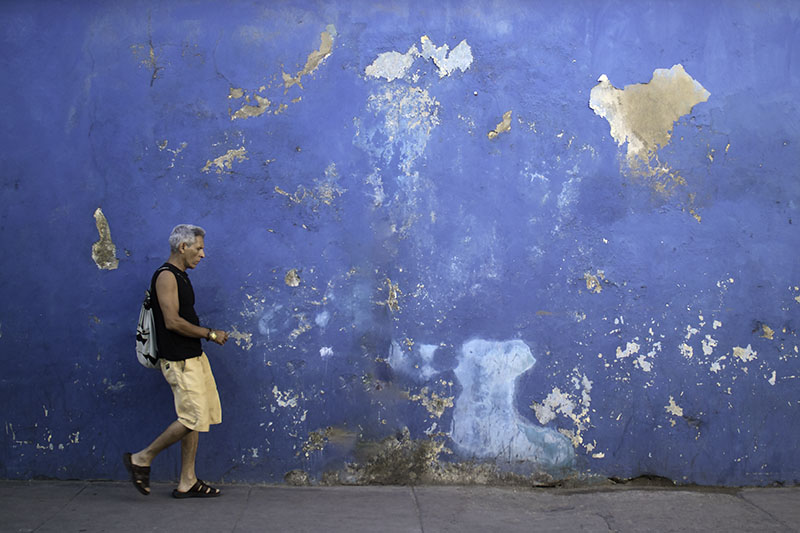
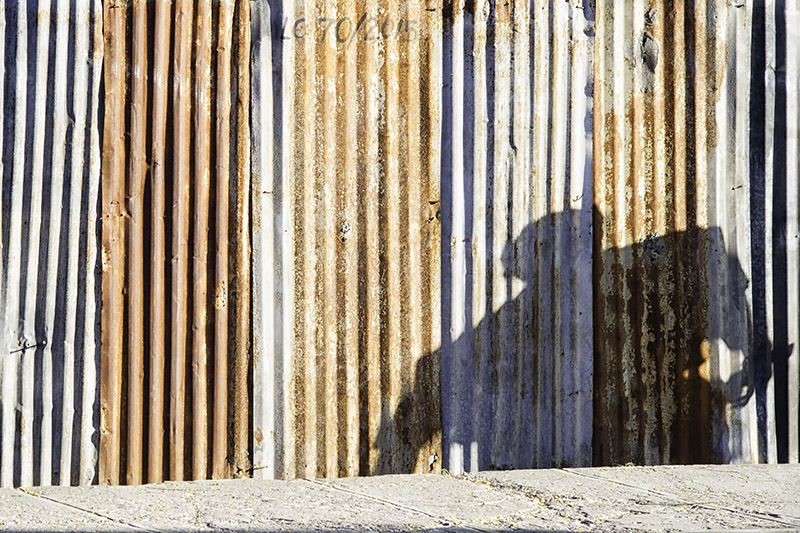 when I finally spied the van, everyone aboard except our guide who was out looking for me. I still don’t know where they met up or how long they were looking for me. Of course, I had money, I knew where I lived and taxis were abundant so I don’t think it would have been a complete disaster even if we hadn’t connected. On the upside, I got some of my most interesting images during this episode.
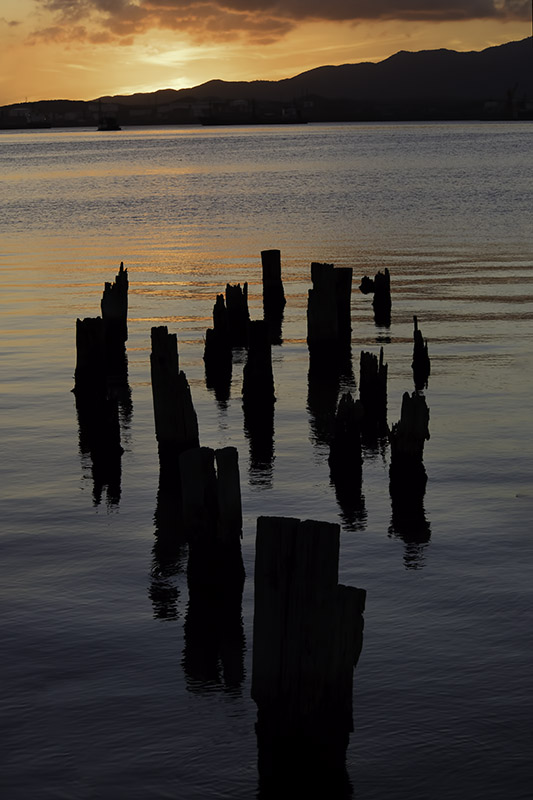
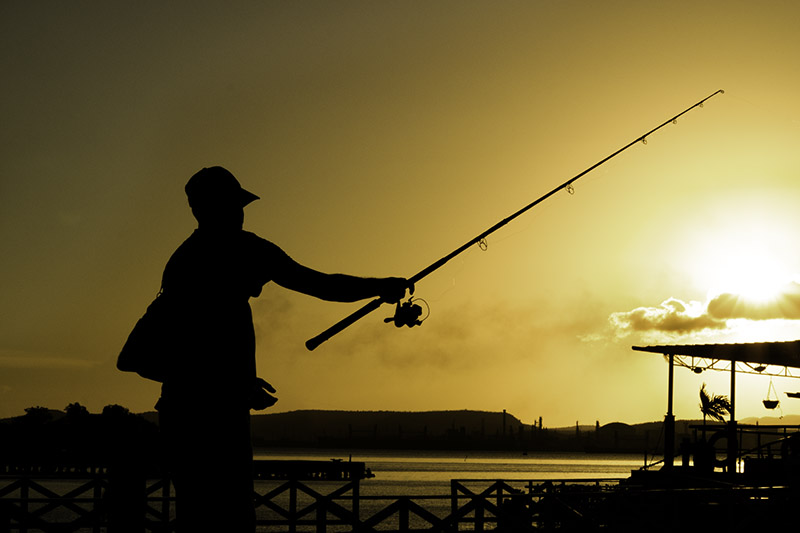 We then headed back to the waterfront for sunset. A few nice silhouettes and color on the water pictures. Well, that might be an understatement. I kind of had a field day with the sunset. And finally, back to the casas for a rest before regathering at one of the casas for a “family dinner” which ended up costing more than any of our
  restaurant meals so far. Once again I had grilled chicken, not much choice this time, accompanied by rice and sweet potato fries. I went off the reservation and ate some of the salad because the guide and the doctor sitting next to me thought it might be OK. Lionel, our local guide, brought a bottle of rum which he said was the best you could get in Cuba. I enjoyed it but after two beers did not feel like indulging too much.
 I awoke this morning to gunfire, which I thought was odd as Lionel had assured us there were no guns in Cuba. Then I realized it was the 21 gun salute for Fidel Castro as his ashes were interred in a private ceremony just outside of Santiago, his home ci
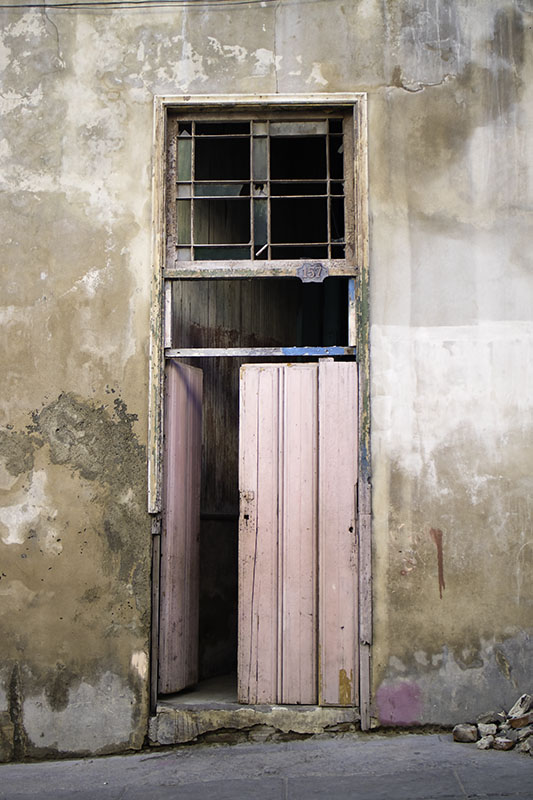 ty.
ty.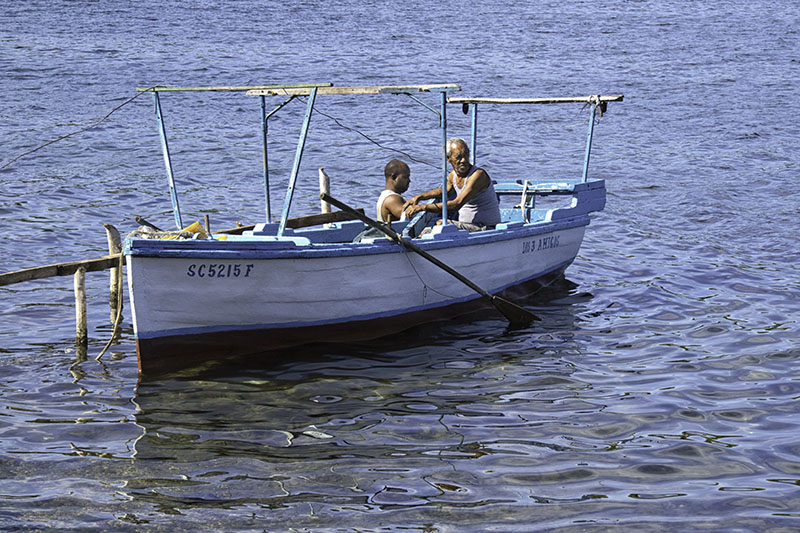 , we were told, was badly damaged by hurricane Sandy and the houses were mostly small and
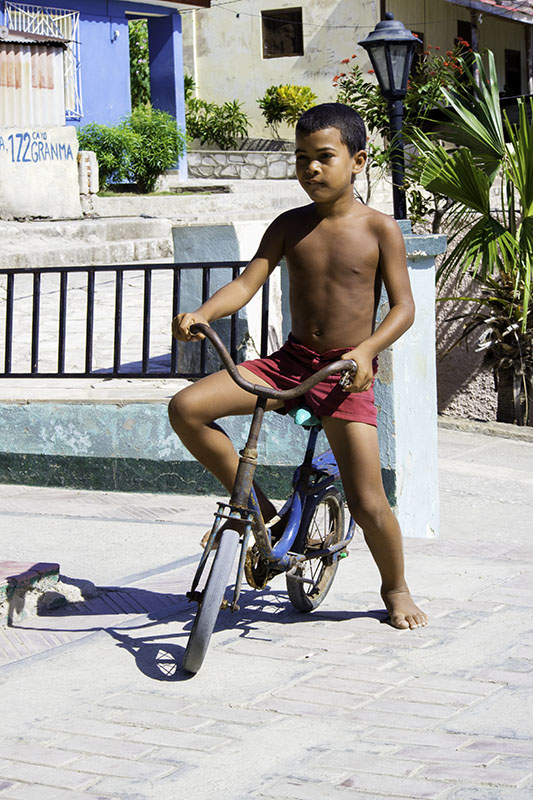
 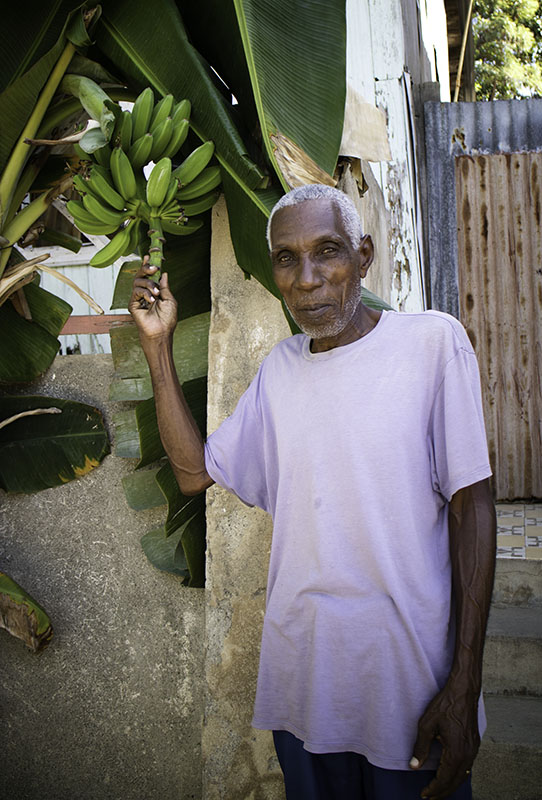 in bad repair (to put it mildly). People were out and about working in boats, doing laundry, and perhaps visiting neighbors. Children were riding around on bikes and trikes, dogs wandered everywhere, but there were no cars. One fellow jumpe
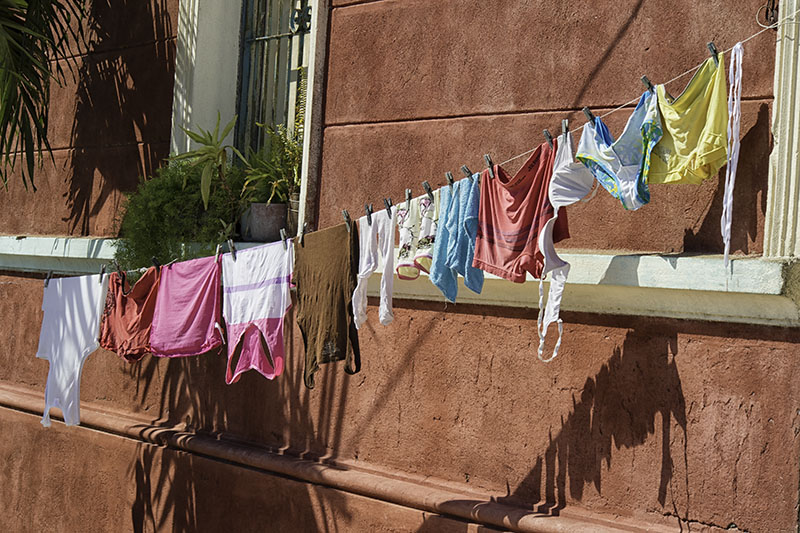 d up and insisted on posing next to a banana tree. I offered him a tip which, of course, was what he was hoping for.
 environment.We were told we could walk around the island in 25 minutes. For photographers, maybe more like an hour or two. I went around one way then started back the other way and saw many things I had missed from the other perspective.
 At noon, we adjourned for lunch at a state owned restaurant. It was very high class and seemed to be catering to tour groups. We all had a seafood plate with lobster, fish, shrimp, and calamari. And two bottles of water, still no cerveza allowed.
 We returned to the Parque and walked back to our casas for a siesta, regrouping after two hours to explore new parts of Santiago including the Plaza de la revolution which had been the site of a speech by Raul Castro the previous evening. My guide book describes the Plaza as “soulless” and I think that is an apt description. I found pho
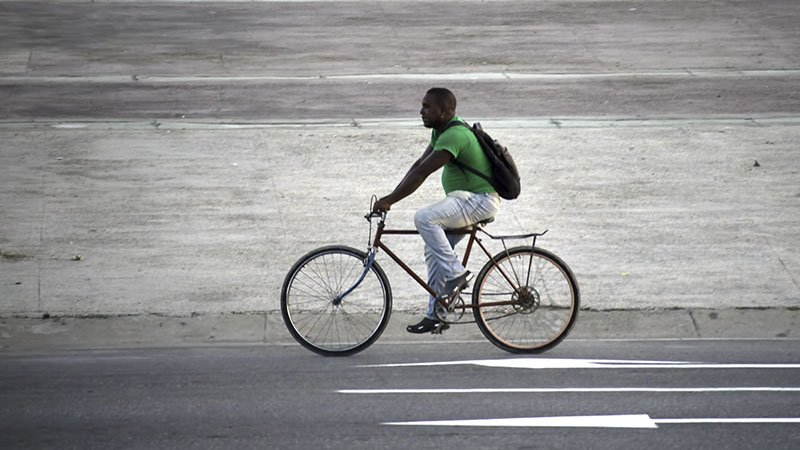
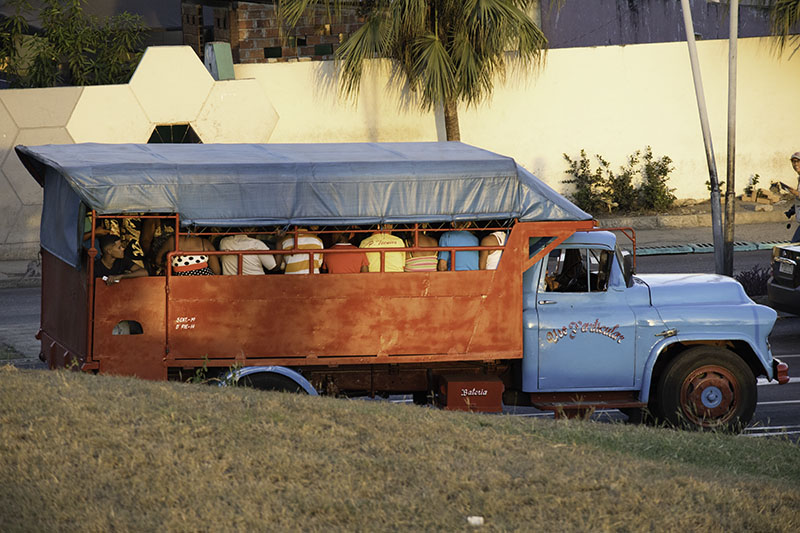 tographing the passing cars, buses, trucks being used as buses, bicycles, and motorcyles much more interesting. We then adjourned to a waterfront park but the light was mostly gone so we vowed to return closer to sunset another
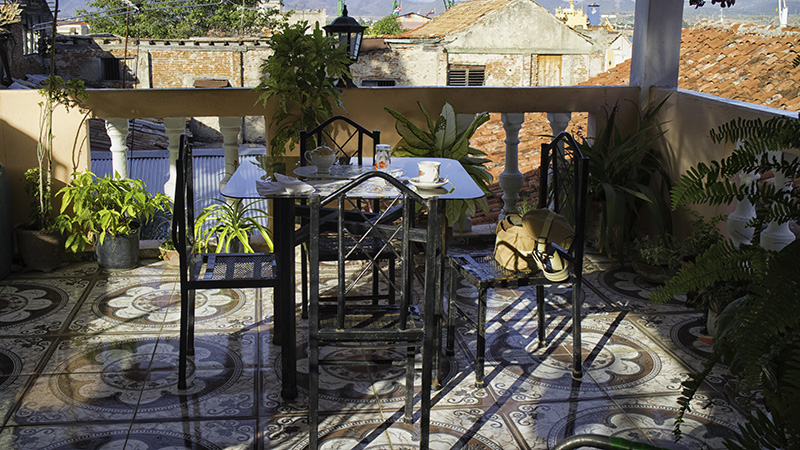 First was breakfast at the casa. I went down at the agreed upon time and my hostess pointed back upstairs. I looked suitably confused and she called my host out and he said “Your breakfast will be served on the rooftop terrace.” So back up the narrow, steep concrete stairs; then up an even narrower and steeper set of metal stairs where I found this lovely view of red rooftops, the harbor, and the neighb
 or’s laundry. I was served a variety of fruits, juice, cheese, tea and what they called an omelette which was really just flat scrambled eggs. I
 Our group congregated at 10 am and walked up a pedestrian street toward
 There were some crossed signals b
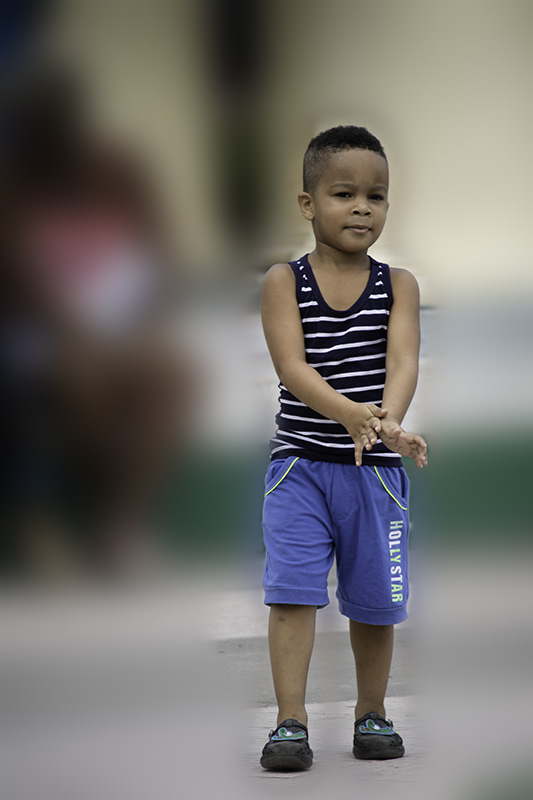 etween our local guide and our photography guide and some of us spent a lot of time waiting for a rendezvous that never happened. I arrived at the Plaza at 11am. It was hot and shade was scarce. Fortunately, I had a hat and most people were lining the streets so seating was not that hard to come by. Many people were
 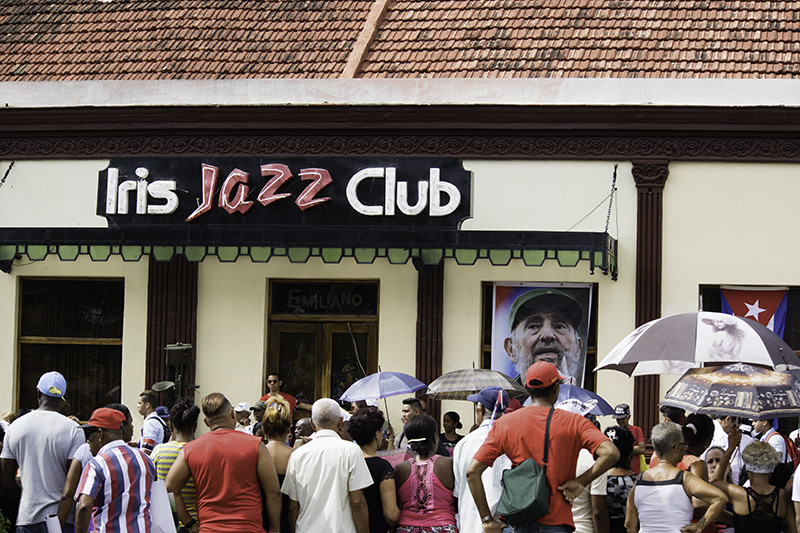 wise to have brought umbrellas for shade. And yes, the people photography was exceptional. Though in truth, I am not a people photographer so I can honestly say this was without question my least favorite day of the trip.
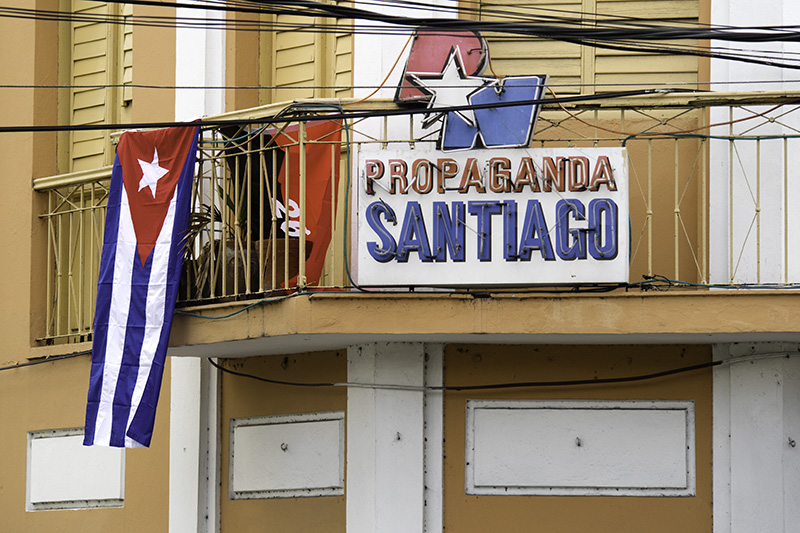 ournalists and a jeep pulling a little trailer with a box bearing Fidel’s ashes covered by a Cuban Flag. The national anthem (I guess) was sung and some people cried, some people held up signs saying Yo Soy Fidel which I later learned means “I am Fidel”, which I interpreted to mean the
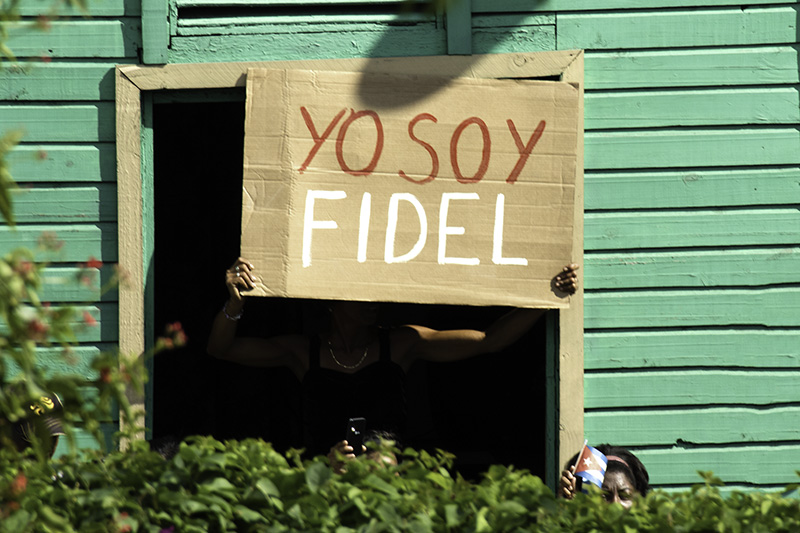 spirit of Fidel lives in me. Some high school kids also had it painted on their faces. Flags were passed out and some brought their own. There were also posters of Castro to be had. I kicked myself later for not grabbing one for posterity.
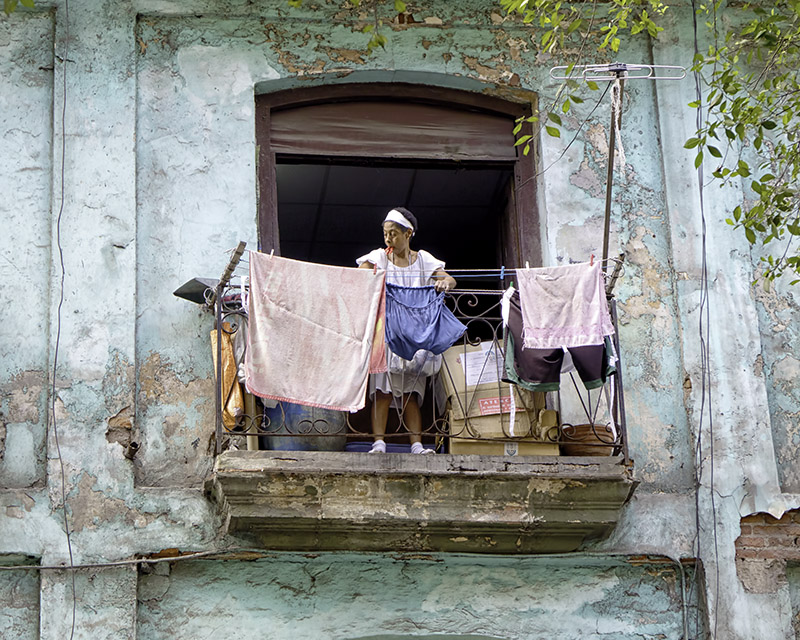
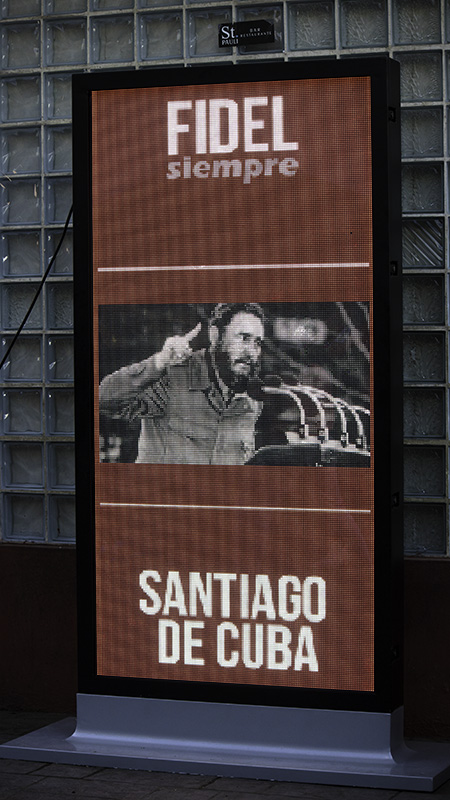 I feel compelled to say a few words about Castro and Cuba at this point. I want to say up front that I do not have enough information to judge Castro, one way or another, and neither, my friends, do you. Churchill once said of Russia “It is a riddle, wrapped in a mystery, inside an enigma…” and I feel very strongly that this also applies to Cuba today. Cuba has free education, including college and it has one of the highest literacy rates in the world. Cuba has free medical care and it has one of the lowest infant mortality rates in the world. At the same time, I saw people living in conditions that I can only describe as abject poverty. Not everyone but many. Buildings, in general are not well maintained. Cars are held together with bubble gum and baling wire. Our guide(Lionel, pronounced Lee-o-nel) was reluctant to tell us what average incomes are in Cuba. “Oh, it varies.” He would say. But he did say that if someone had a relative in the United States willing to send them $100 a month they didn’t have to work. He also stressed that money isn’t important to most Cubans, they value family relations and friendships. I have to say that during my time in the first casa I saw so many people coming and going I couldn’t keep track of who lived there and who was just visiting but they all seemed to be having a good time.
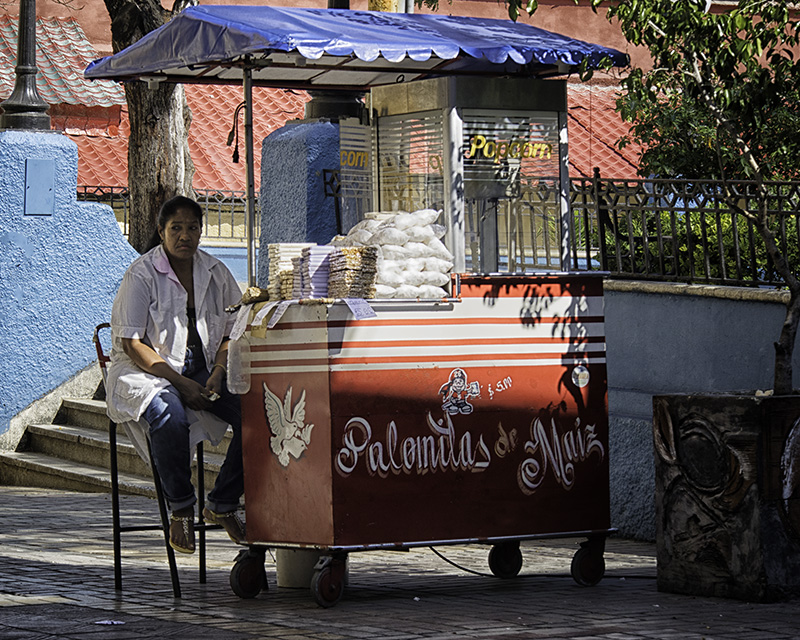 I also saw many people in the streets hustling for money. Food carts were commonplace. Beggars with hard luck stories would hound you until you looked them square in the eye and said an emphatic no, and that might not be enough to get rid of them. I saw one fellow begging in the square and later he walked by me as I was sitting on a step. He had changed to much nicer clothes and he had the nerve to smile and wave as he strode purposefully by. They would give you little gifts and then reel you in for the kill to sell you jewelry or cigars. Free enterprise may not be the norm in Cuba but it is clearly not dead.
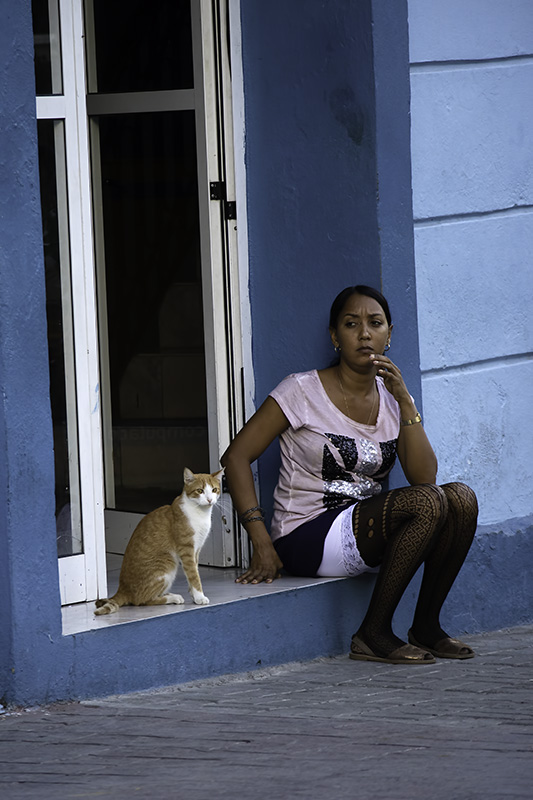 and listening is that probably many people’s lives improved under Castro from what they had been under Batista and earlier imperialistic regimes, especially minorities or oppressed majorities, i.e. women, and the descendants of former slaves. I saw many people looking pensive or downright sad. Were they mourning Castro, worried for their futures or just reflecting on the past?
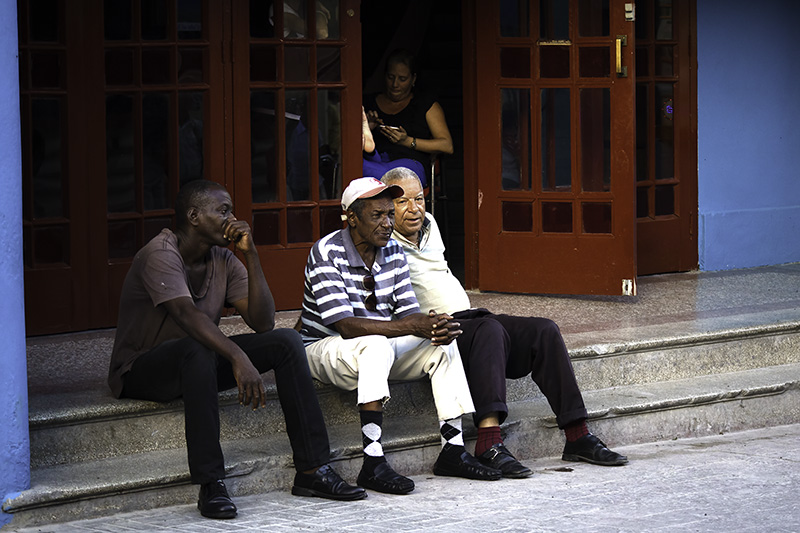 to grind because they lost their property and position during Castro’s revolution who are lobbying to stand in the way of normalization of relations with the United States. A little American money goes a long way and things are changing rapidly in Cuba, as they should. Raul Castro will be retiring in 2018 and the heir apparent is of a new generation. I will be interested to see where they are in five or ten years.
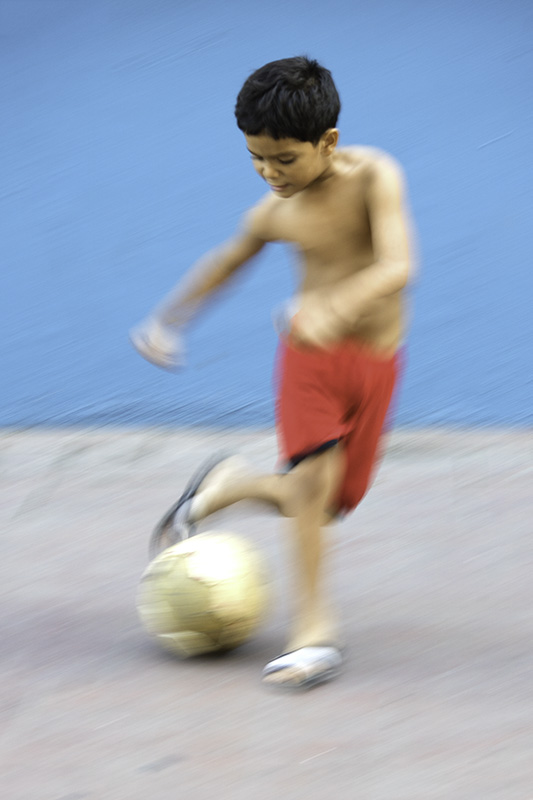 I captured boys and girls of all ages playing with balls.
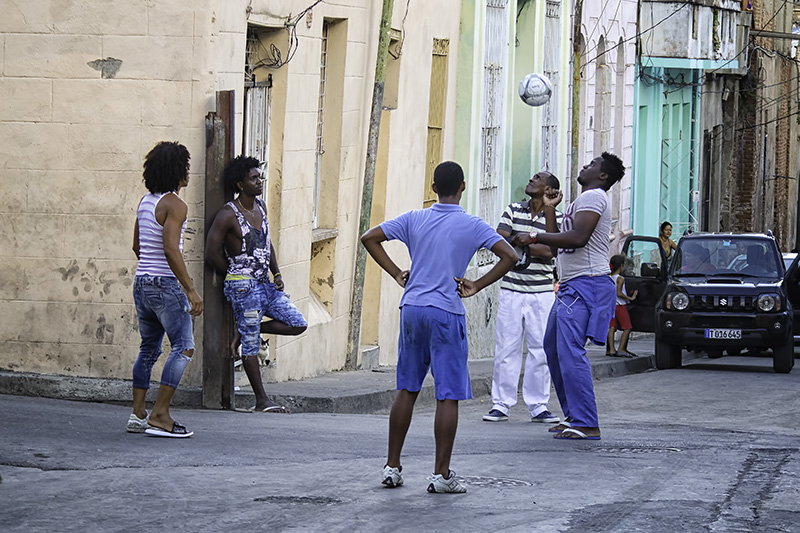 we’ll order food. Reluctantly the girl brought us each a can of Cristal one of the two national beers. We still weren’t very hungry so we ordered some appetizers. No, this wasn’t enough, she was going to be in big trouble. I felt guilty and ordered an entrée. She refused to bring us a second beer. Somehow the owner got involved. Lionel had to turn on all his charm. Eventually the owner agreed to give us one more beer. The appetizers came and the girl came and told me they didn’t have what I had ordered did I want something else. I said I didn’t really want it in the first place just bring me a shrimp cocktail. Which when it came turned out to be shrimp mixed with mayonnaise, not cocktail sauce. All in all I was very happy to slink back down the three flights of stairs and be delivered back to Parque Cespedes for the short walk back to my casa.
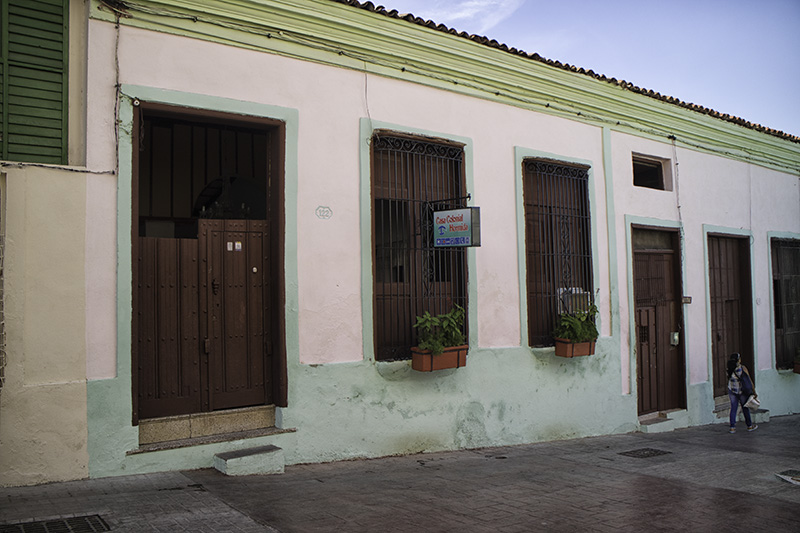 ewhat on the order of a B&B. From some of the stories others were telling, I got lucky, my room had air conditioning, hot water and American style plug ins, a private bath and a little room with a table and refrigerator. Many in our group were complaining about plumbing and electricity being dysfunctional. Here is a picture of the outside of my Casa.
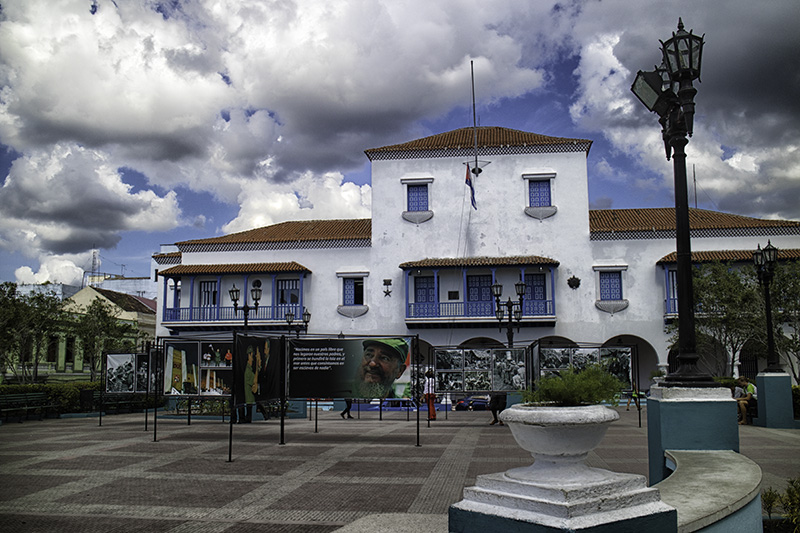 So, after a short rest we proceeded to Parque Cespedes where Castro‘s ashes would be on display the next day. There were displays with pictures of Castro and loudspeakers apparently broadcasting some of his speeches. He was famous for his two or three hour orations. The Parque also features a beautiful Cathedral dating to the 16th century.
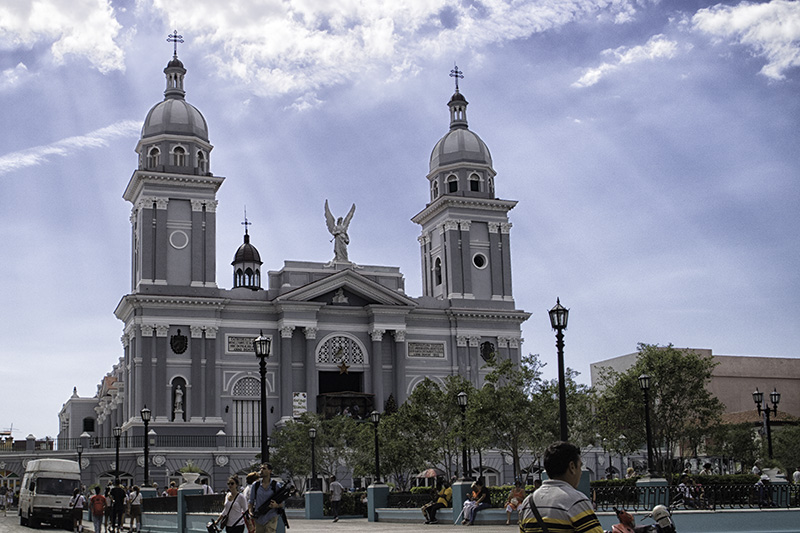 I’ll say more about religion in Cuba in a later post. The Parque, which is really just a large square is named for Carlos Manuel de Cespedes who is considered the founding father of Cuba. A large plantation owner, Cespedes freed his slaves in 1868 triggering the first revolution, a war for independence from Spain. Across from the Cathedral is the town
 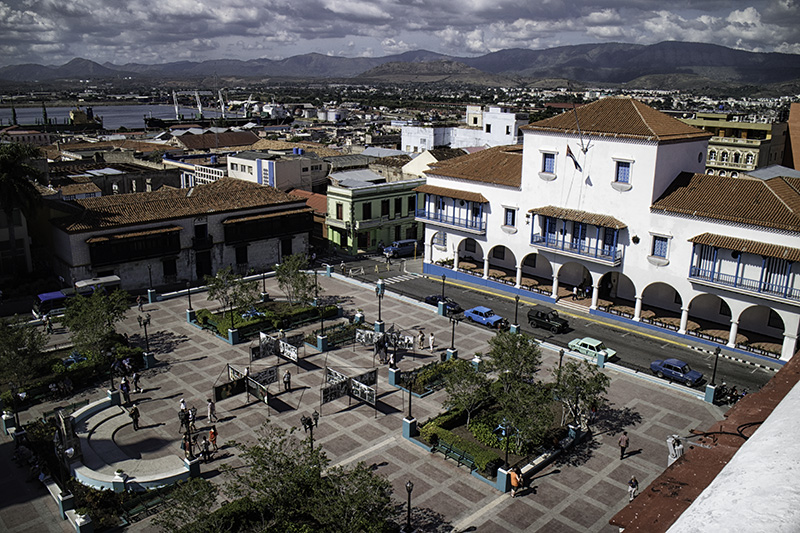 hall where Castro made his first speech to the Cuban people on January 1, 1959.
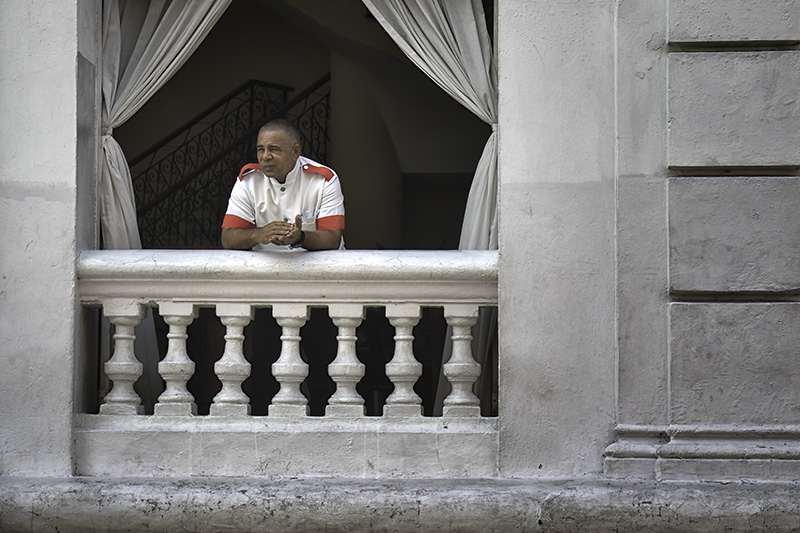 ame to us. Including this one of a hotel worker looking pensive just across the street from where we were sitting.
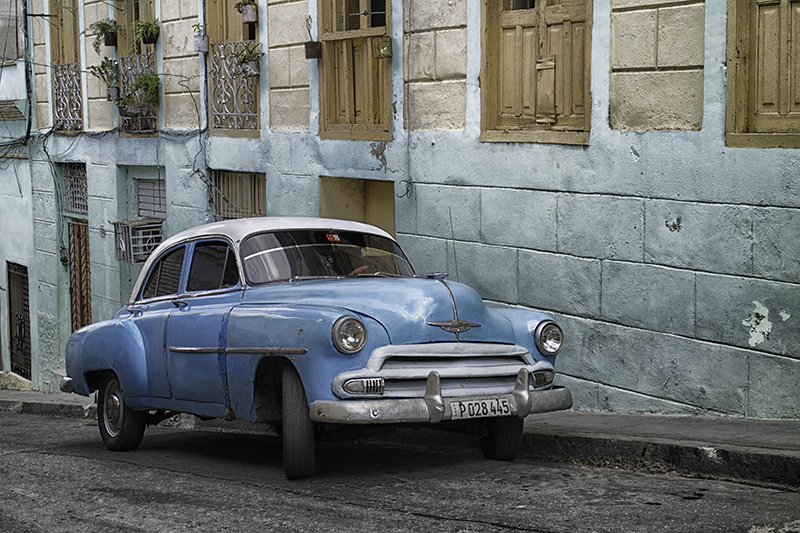 they have a hard time negotiating the hills in this town. I suppose it is fitting that the first picture I took in Cuba
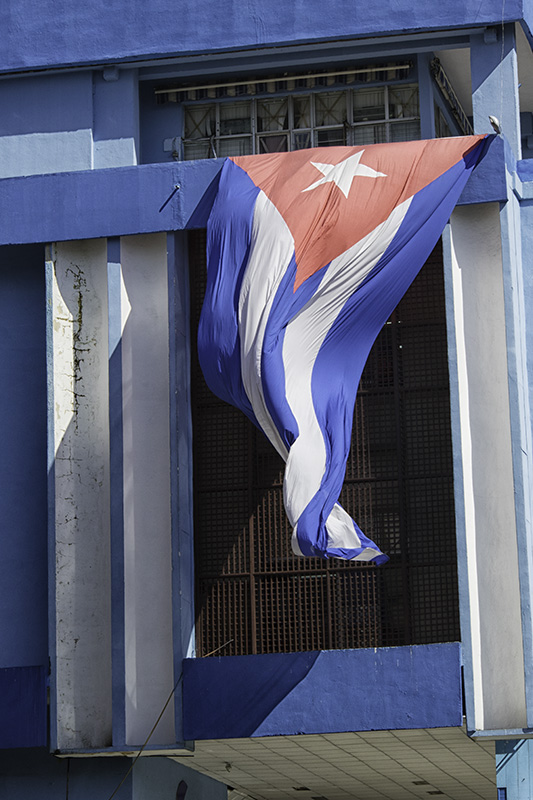 was of this old car. Cuban flags were flying everywhere and people with brooms were tidying up for the big event. Because the country was still in mourning we (and everyone else) could not purchase alcohol and there was no live music allowed. Th
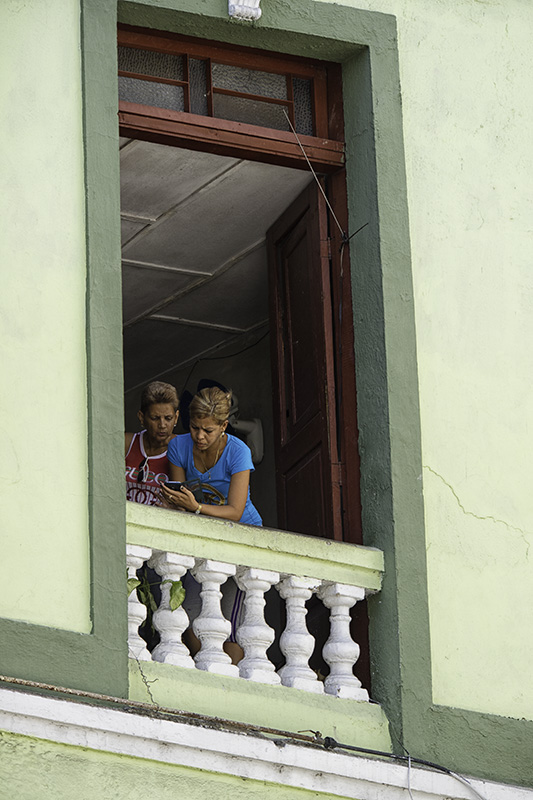 e Parque also serves as a wifi hotspot and people in our group who had been to Cuba before noted that one of the
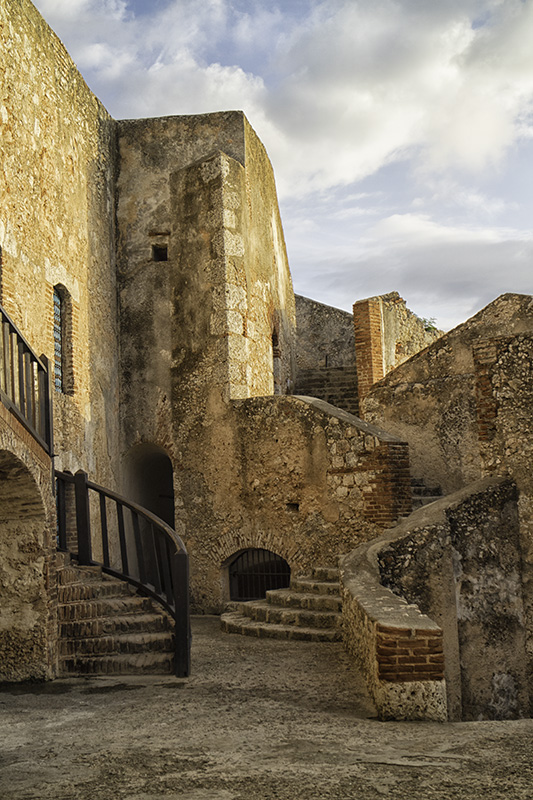 constructed to defend the city from pirates. Unfortunately, all the interpretive signs were in Spanish and our guide wasn’t into interpreting so most of what I know I learned from my guide books after I got home. We stayed for sunset and witnessed soldiers in period dress marching into the castle to fire a canon as the sun went down. Our first dinner was at a government owned restaurant near the fort. We were served family style, fish, chicken and pork, soup and canned beans and beets, rice, french fries, and chocolate ice cream.

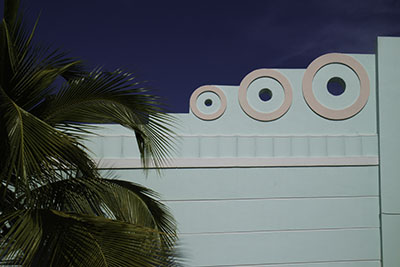
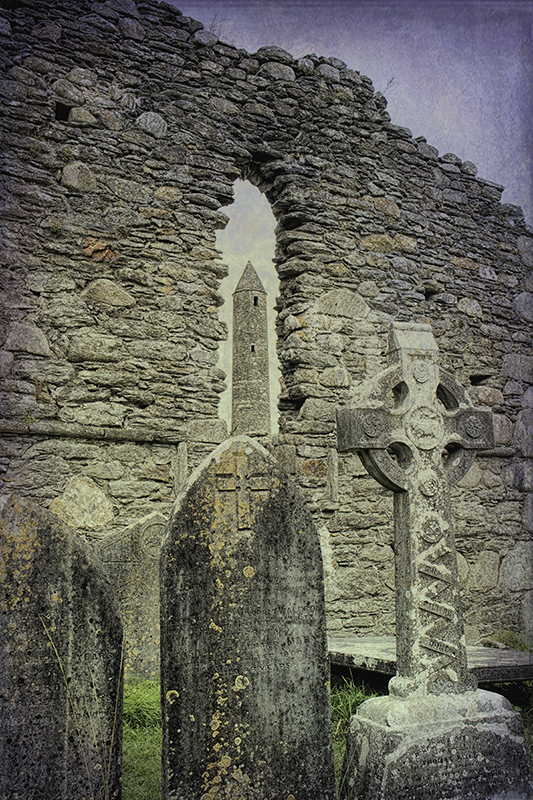 Here is an example of an image from Glendalough that didn’t make the first cut even though it is a great composition. I passed over it because of the flat white sky in the upper right corner. But later I realized I could get around that by using a tinted texture to give the sky more interest.
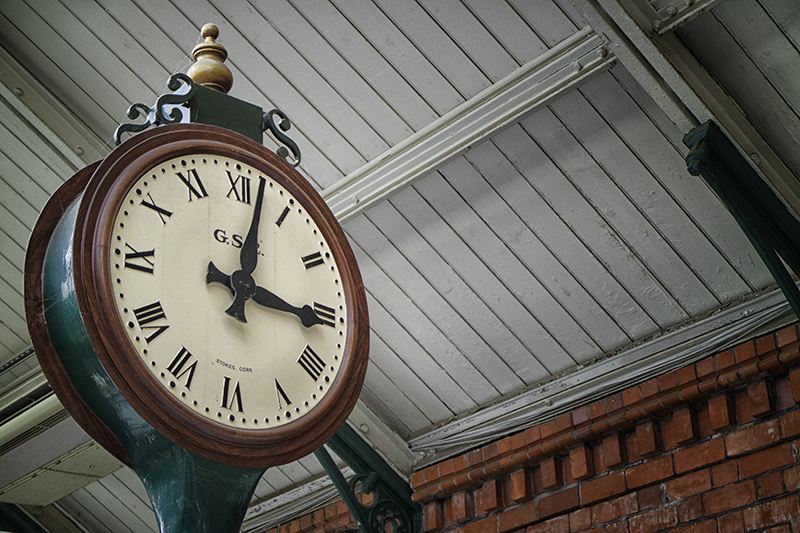 to explain things in more detail.
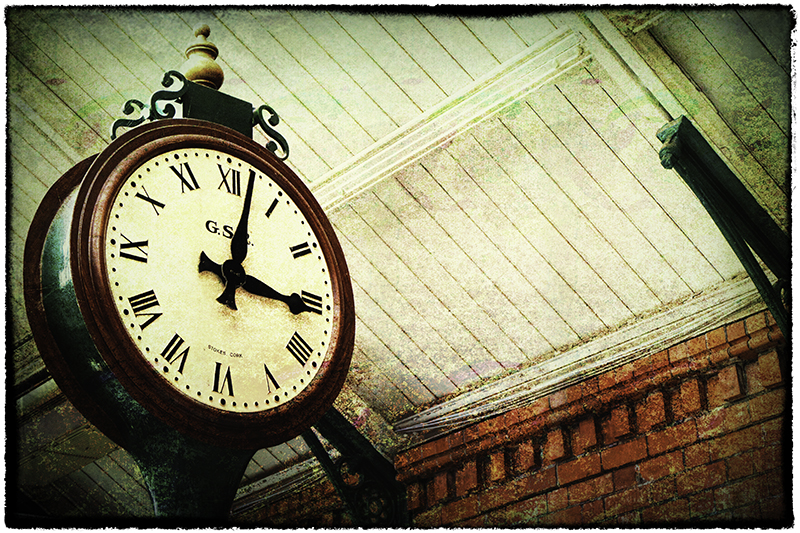 were presented in the slideshow because I saw a way to make them more artistic.
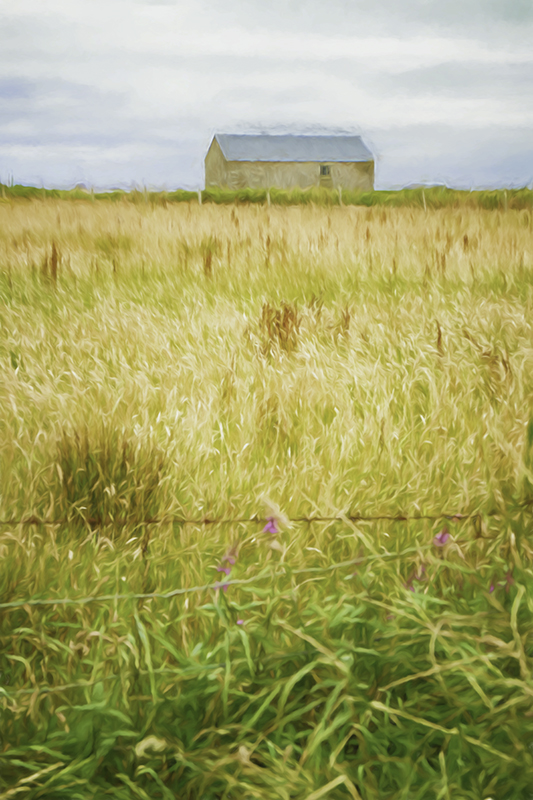 area that made both the blog and the slideshow but this one was kind of dull and unassuming until I gave it a painterly treatment so I decided it deserved a place in the gallery show. (Which, by the way, can be seen at:
 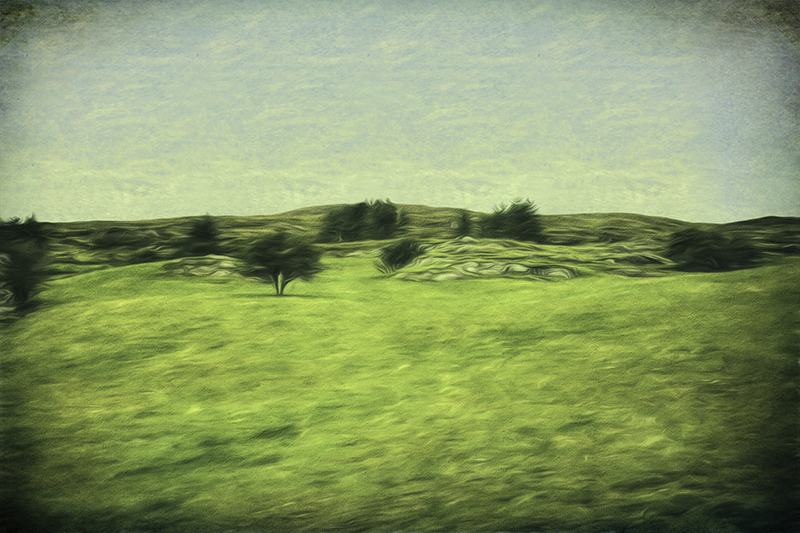 with the flat white sky so I took it into Topaz Texture Effects to give it a little more punch. I’m not sure I’m happy with the border though and I may yet go back and take another stab at it.